

Knowledge that fits your day.
Training, nutrition, sleep, vitamins and lifestyle: clear, with sources, without fads. Search for a topic or pick your goal.
What is your goal?
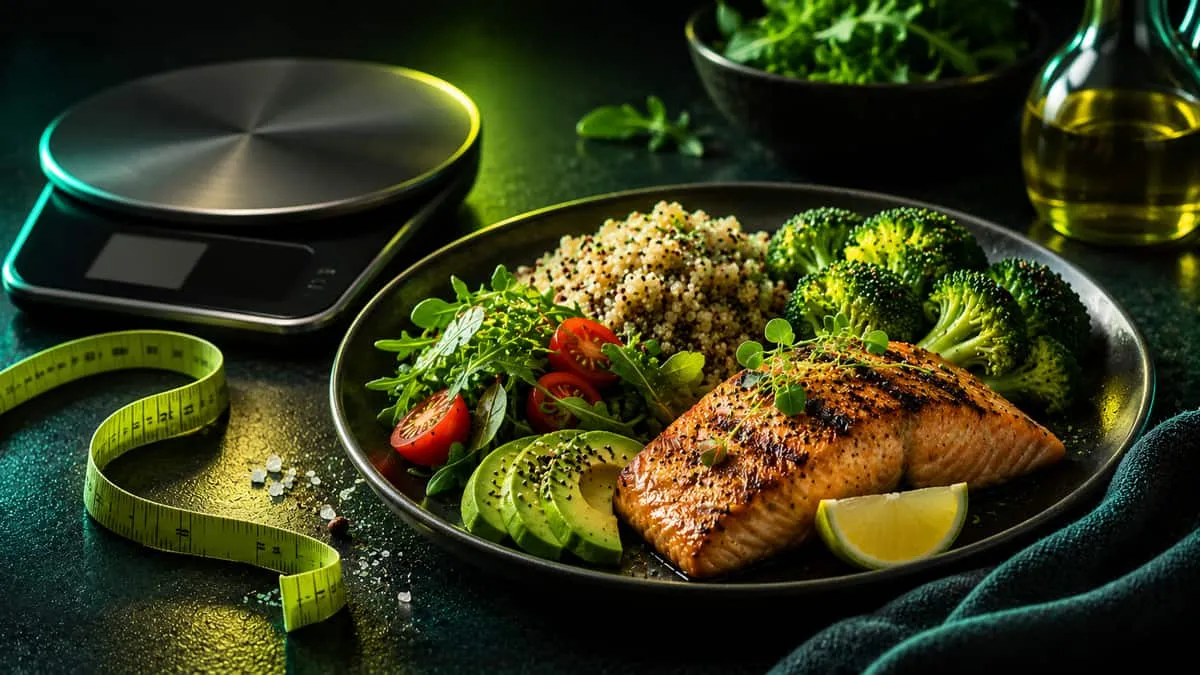
How many calories should I eat a day? Calculator and explanation
Work out your daily calorie needs and macro targets with the Mifflin–St Jeor equation, and understand what the result means.
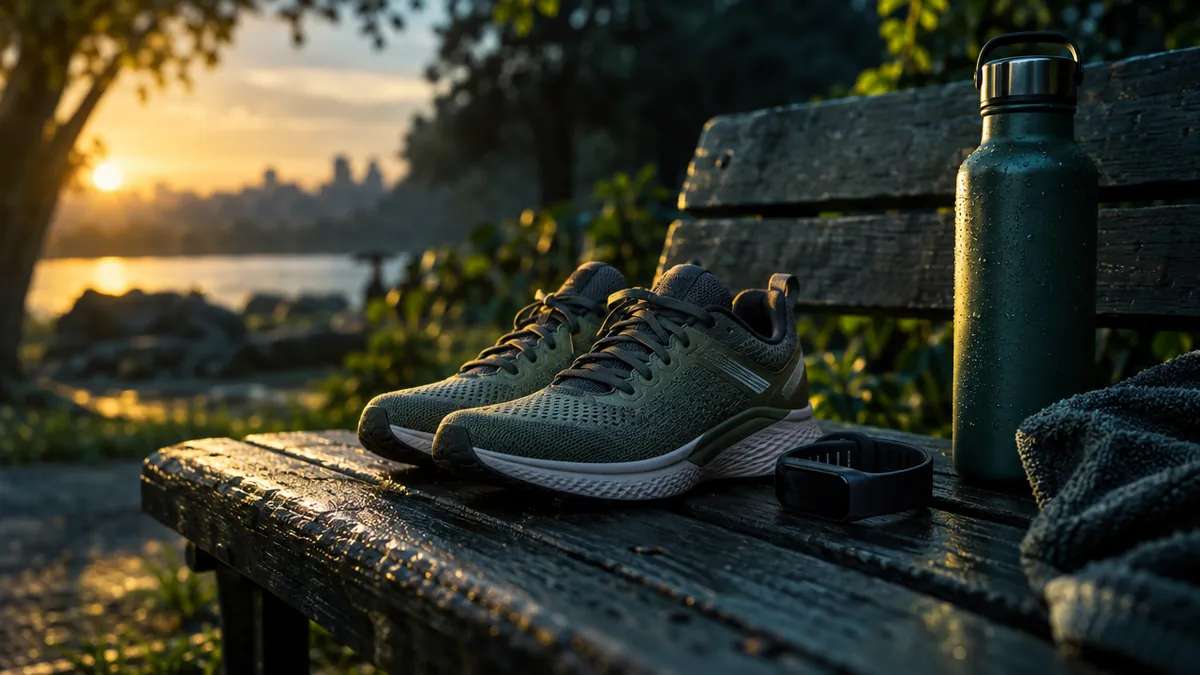
150 minutes of activity a week: what the WHO recommendation means in practice
The WHO recommends 150–300 minutes of moderate activity and 2 strength sessions a week. How can that fit into a busy week?
Training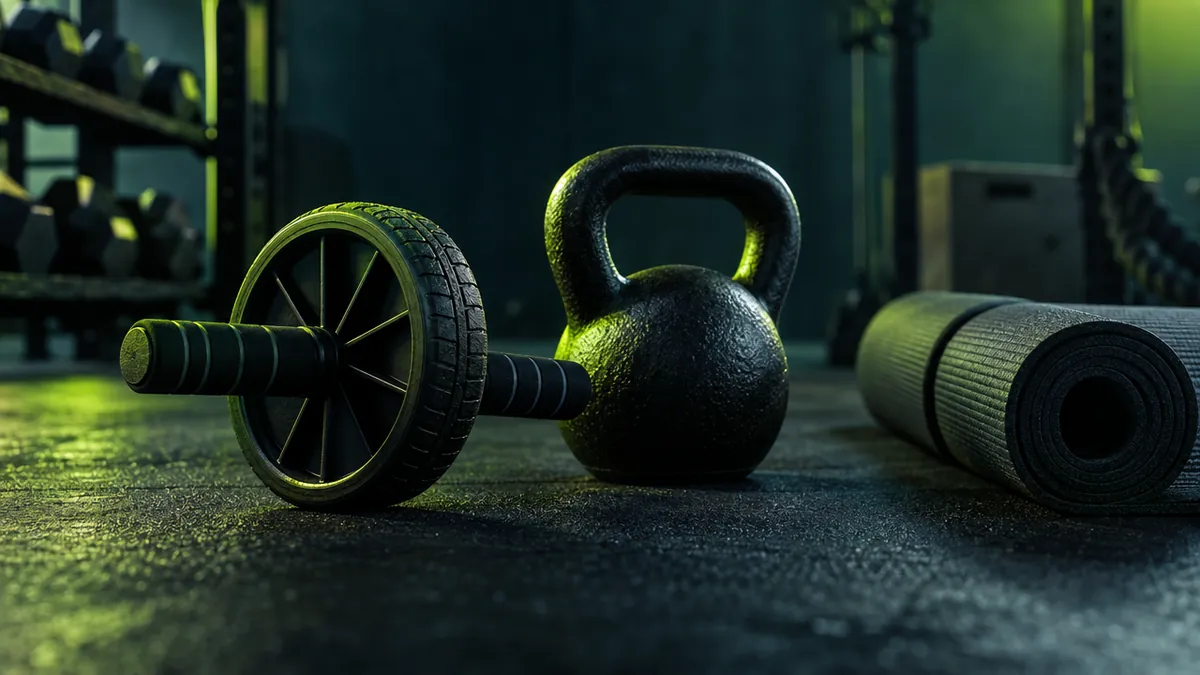
Ab training: 5 myths, and what actually works
Can you burn belly fat with ab exercises? How many ab exercises do you need? The most common myths and an evidence-based approach.
Vitamins and supplements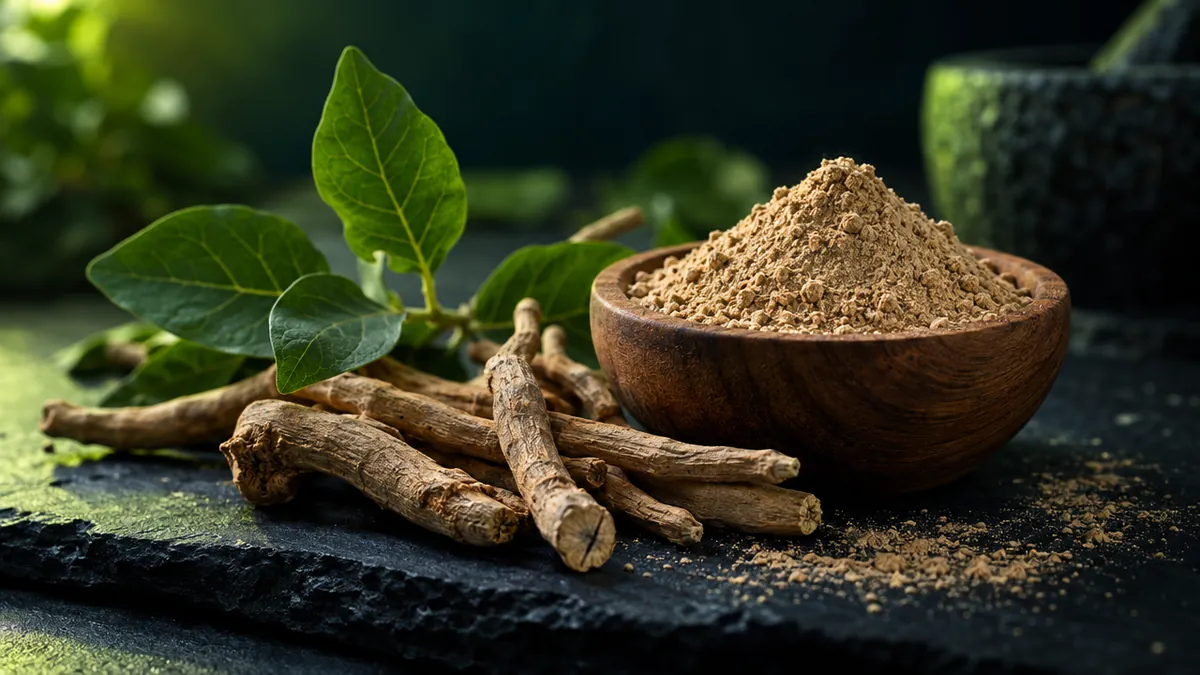
Ashwagandha: stress and testosterone? What the research shows
Ashwagandha (Indian ginseng) is a popular supplement for stress relief and strength. What do we know about its effects and its safety?
Biohacking
Autophagy: cellular 'self-renewal', and what we know about it in humans
What is autophagy, how is it linked to fasting and exercise, and how believable are the promises of 'autophagy hacks'?
Biohacking
Biohacking for beginners: 7 simple steps that actually work
Biohacking is not about expensive gadgets: these are the evidence-based steps with the biggest effect for the smallest investment.
Nutrition
Blood sugar swings: should you care if you do not have diabetes?
Blood sugar spikes and the "energy crash" are popular topics. What does research show, do you need a CGM, and how to eat for steadier energy?
Lifestyle
Blue zones: what can we learn from the world's oldest communities?
Okinawa, Sardinia, Ikaria: what longevity research shows, and what is disputed about the blue zones.
Lifestyle
BMI, waist size, body fat: which measure should you watch?
The limits of BMI, the waist-to-height ratio and ways to measure body fat: what they show, and how reliable they are.
Lifestyle
Breathing exercises for stress: 4 methods you can try in 5 minutes
Slow belly breathing, box breathing and longer exhales: what research shows about reducing stress, and how to do it.
Nutrition
Coffee and health: how many cups are good?
Coffee and longevity, the heart, sleep and training: what research shows, and how much coffee counts as moderate.
Biohacking
Cold plunge: what cold water does, and how to start safely
Cold water immersion (cold plunge): what research shows about mood, recovery and muscle building, and when not to do it.
Training
Deadlift technique: step by step, safely
The deadlift is one of the most effective exercises when the technique is right. Setup, movement, the most common mistakes and starting weights.
Lifestyle
Digital detox: do you need one, and how to cut screen time
How social media and phone use affect mood and sleep: what research shows, and how to set realistic limits.
Nutrition
Eggs and cholesterol: how many eggs can you eat a week?
The egg's old bad reputation has changed: what does today's research show about eating eggs and cardiovascular risk?
Vitamins and supplements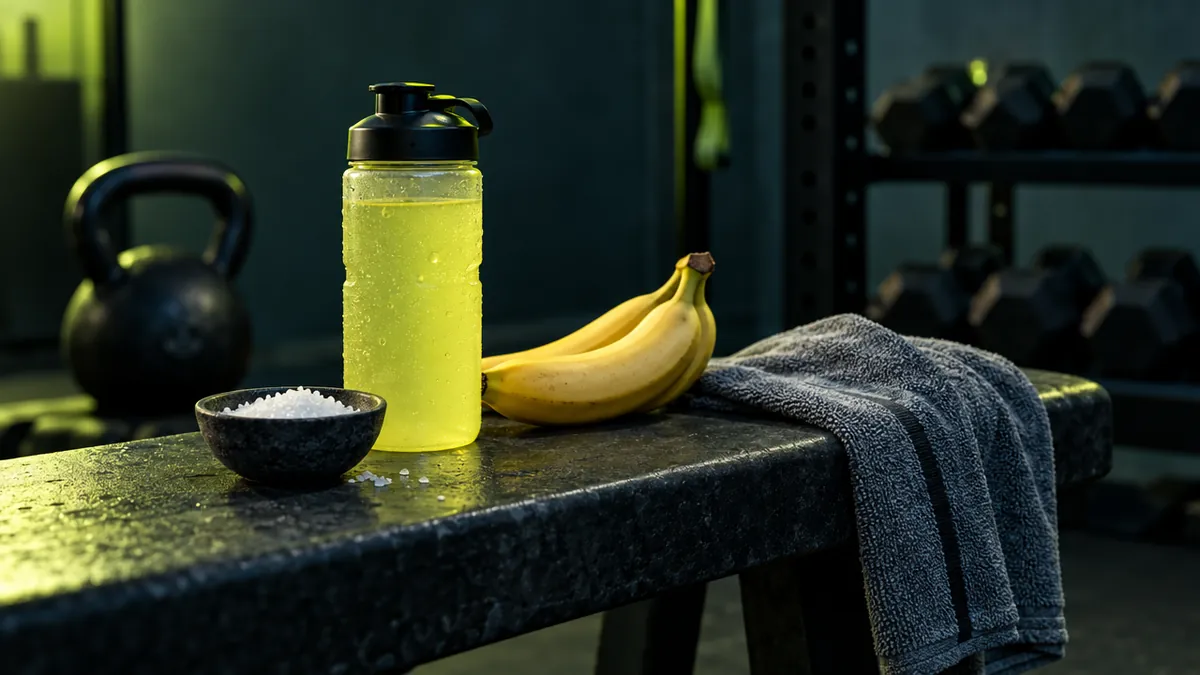
Electrolytes and sports drinks: when do you really need them?
Sodium, potassium, magnesium and electrolyte powders: who needs them during exercise, and when are water and normal meals enough?
Nutrition
Five a day: what it means, and does it really matter?
The "five a day" recommendation is backed by large meta-analyses. How big is a portion, and what is a useful upper limit?
Nutrition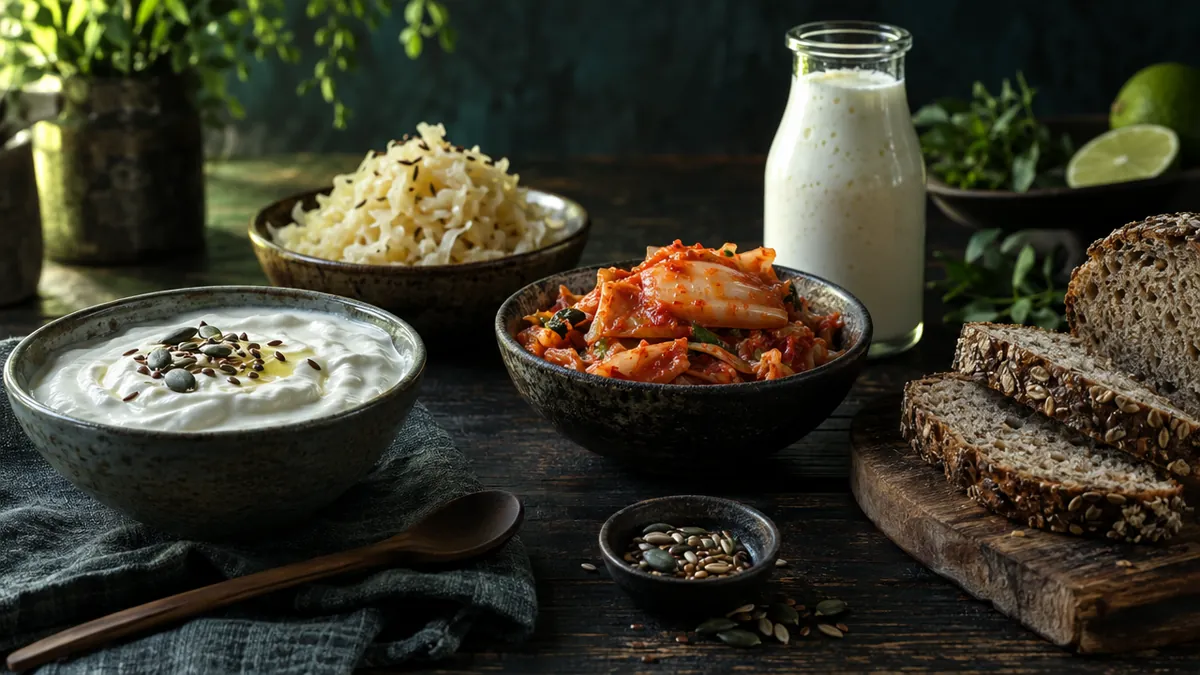
Gut flora and probiotics: what we know about the microbiome
The gut microbiome is one of the hottest health topics. What does research show, do you need probiotics, and what should you eat for your gut flora?
Training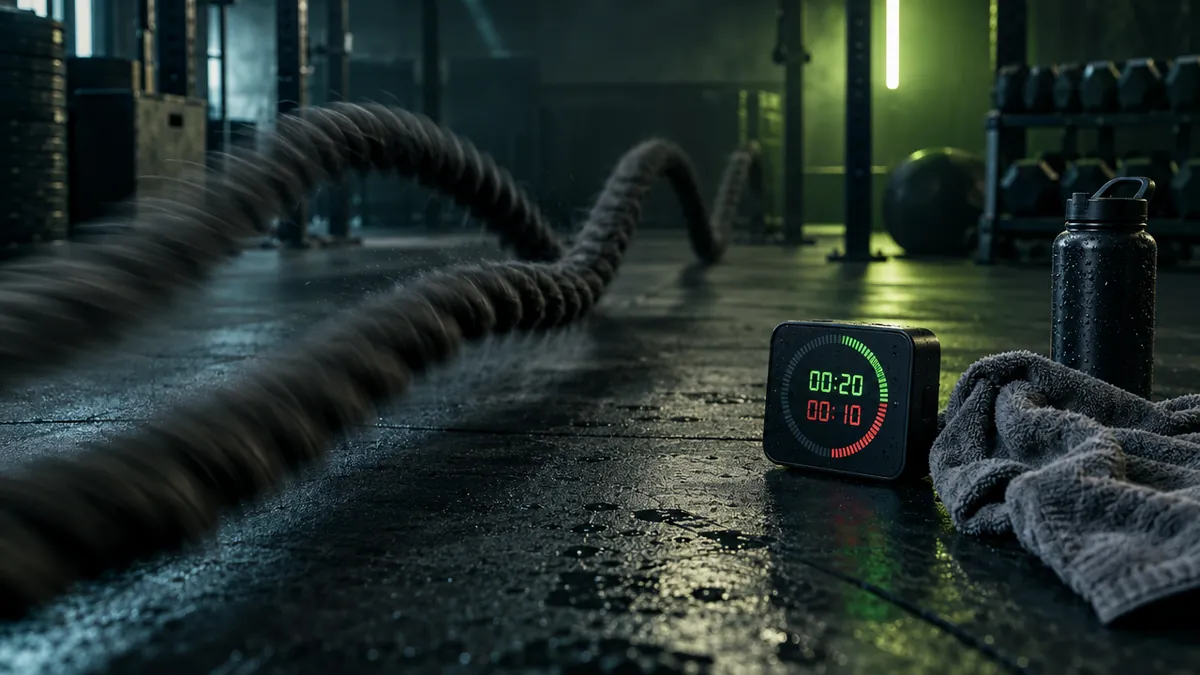
HIIT: interval training for beginners, effective and safe
High-intensity interval training (HIIT) builds fitness in a short time. How to start, and how much is enough?
Biohacking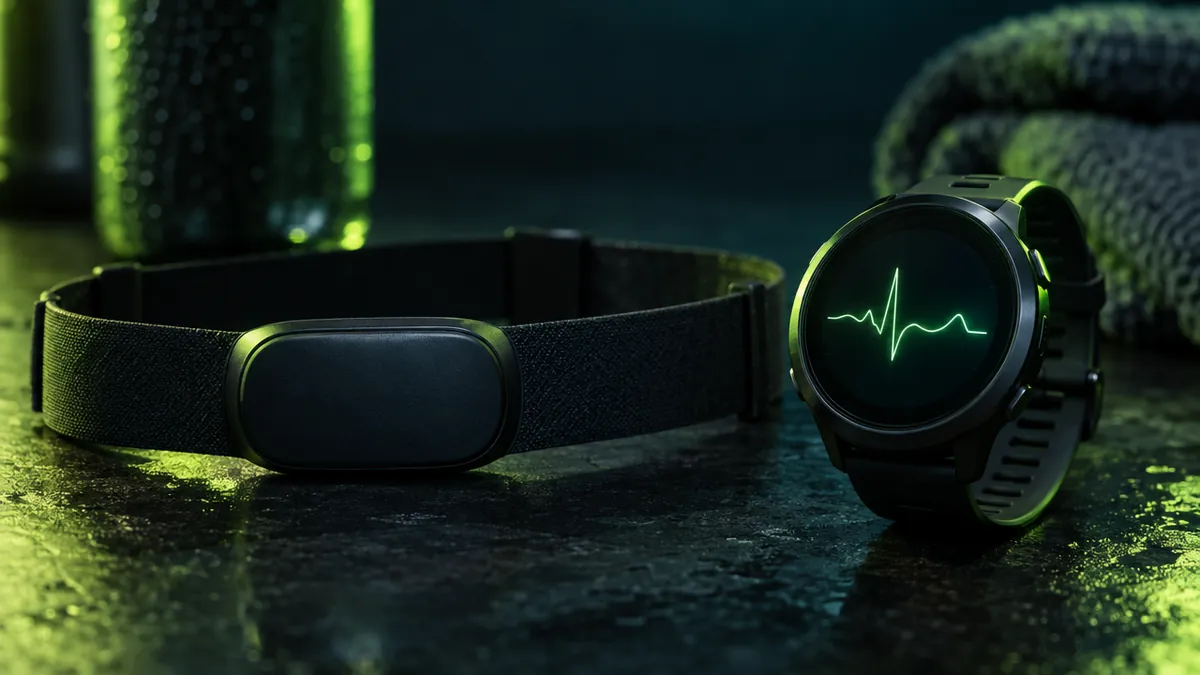
HRV: what heart rate variability shows, and how to use it
Almost every smartwatch shows HRV (heart rate variability). What does it mean, how accurate is it, and how can you use it wisely for training?
Nutrition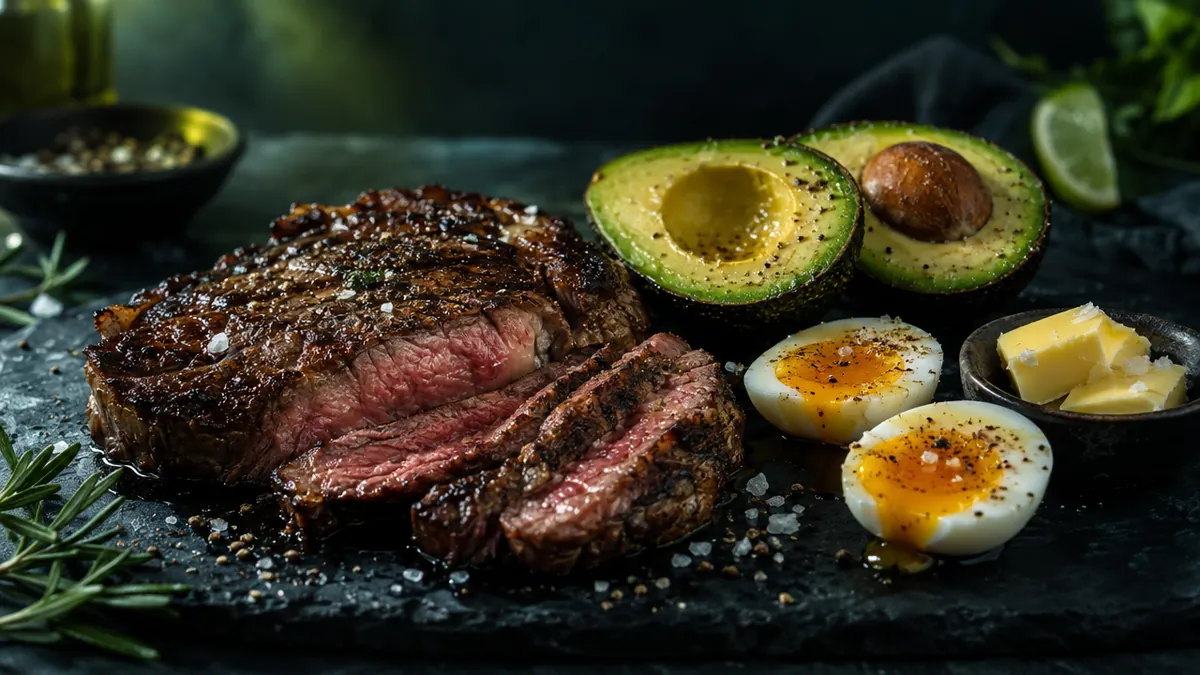
Keto and low-carb diets: do they work, and who are they for?
The ketogenic diet for weight loss and blood sugar: what research shows, what the risks are, and why it is not better than other diets in the long run.
Recipes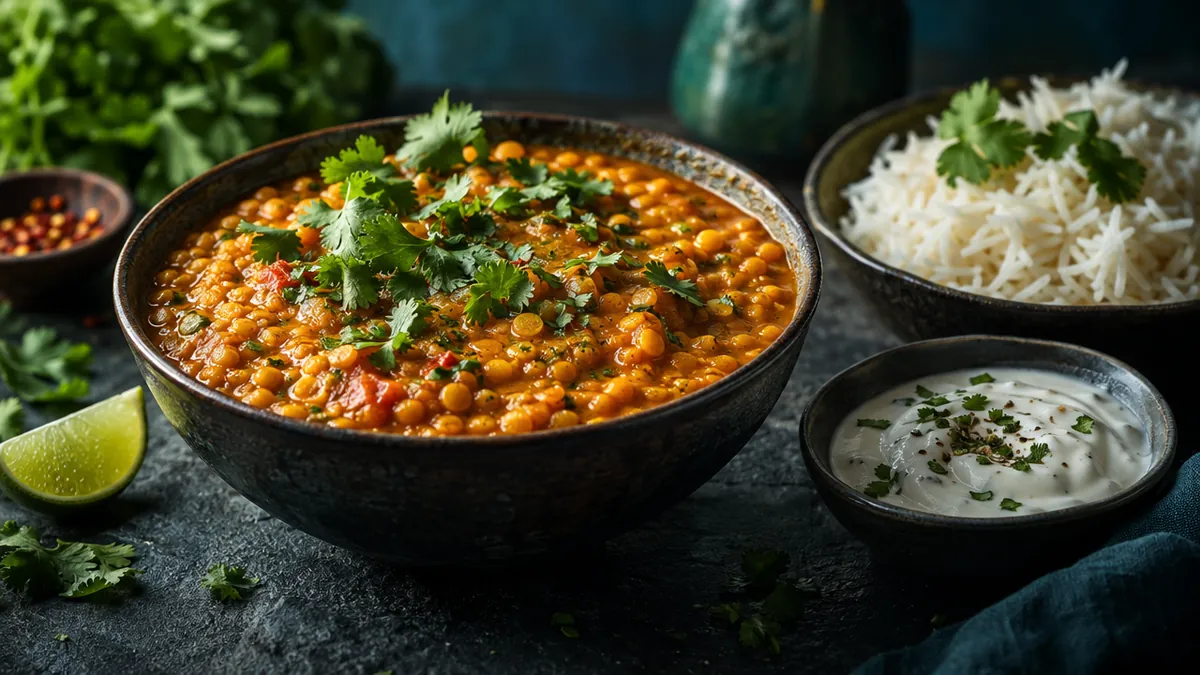
Lentil curry: plant protein in 35 minutes (recipe)
A cheap, one-pot lentil curry with rice, rich in fibre and plant protein: ingredients, steps and nutrition.
Lifestyle
Meditation and mindfulness: what research shows, and how to start
Mindfulness meditation for stress and anxiety: a moderate but real effect. How to start with 5–10 minutes a day, and what to expect.
Vitamins and supplements
Melatonin supplements: when they help, and how to take them
Melatonin is a popular supplement for sleep and jet lag. What is an effective dose, when is it worth using, and what are the risks?
Vitamins and supplements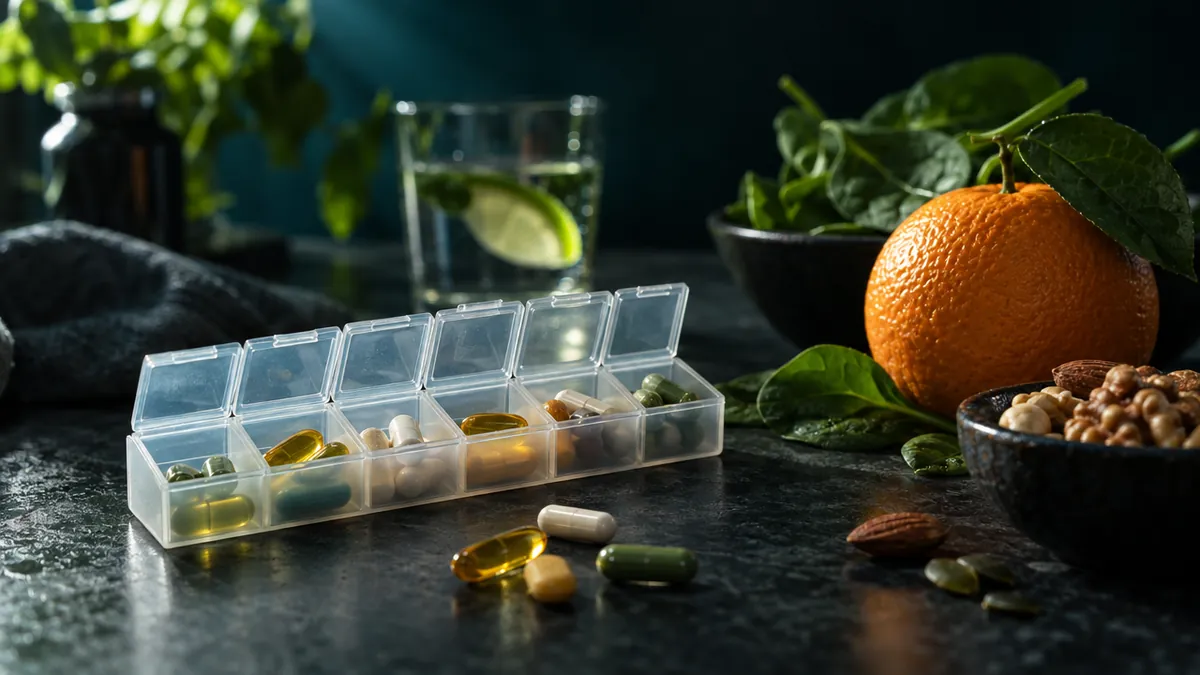
Multivitamins: do you need one, and who benefits?
Multivitamin products: what research shows about healthy adults, and when there is a real need for a supplement.
Training
Muscle mass as you age: sarcopenia and how to prevent it
After 30, muscle mass and strength slowly decline. What is sarcopenia, and what can you do about it with strength training and protein?
Biohacking
NMN and NAD+: anti-ageing wonder or marketing?
NMN and other NAD+ precursors are popular "rejuvenating" supplements. What does research in humans show, and are they worth the money?
Nutrition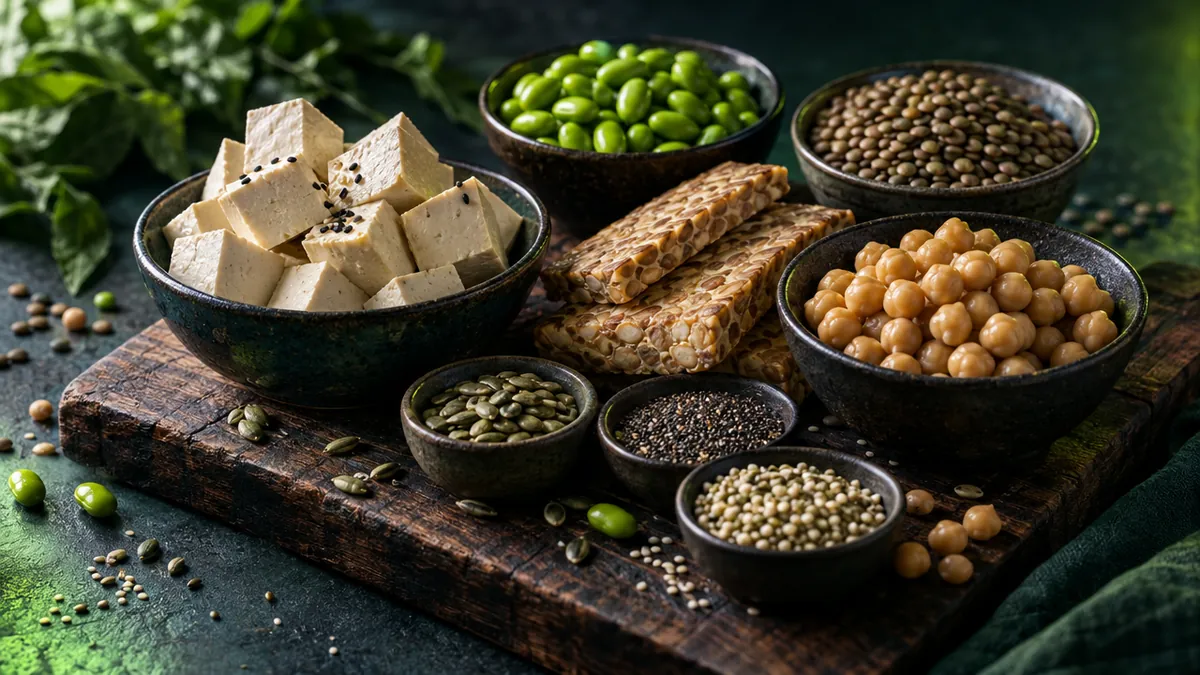
Plant protein sources: how to get enough protein without meat
Vegetarian and vegan protein sources: lentils, tofu, soybeans, seitan, pea protein. How much do you need, and what should you watch with amino acids?
Training
Pull-ups for beginners: how to get your first rep
Pull-ups are hard, but you can build up to them. Steps from negatives to band-assisted and weighted versions, and how much to train.
Nutrition
Reading food labels: 6 things worth checking
Nutrition table, ingredient list, serving size and 'healthy' claims: how to read a package quickly, and what really matters.
Biohacking
Red light therapy: what it can and cannot do
Red and near-infrared light (photobiomodulation) is a popular tool for skin care and recovery. What does research show, and what should you not expect?
Training
Running for beginners: a safe plan for the first 8 weeks
How to start running without injury? An 8-week plan built on walk–run intervals, choosing shoes and common mistakes.
Nutrition
Salt and blood pressure: how much is too much, and how to cut down
The link between salt intake and blood pressure, the WHO recommendation, and simple ways to cut down on salt without making food bland.
Sleep and recovery
Sleep and body weight: why too little sleep makes you gain
Short sleep increases appetite and calorie intake. What the studies show, and how sleep helps weight loss.
Sleep and recovery
Sleep cycles and deep sleep: what your sleep tracker shows, and what it does not
Light, deep and REM sleep: what they do, what is normal, and how accurate are the sleep stage data from smartwatches?
Biohacking
Slowing ageing: 7 habits with real evidence behind them
Youth, long life, healthy ageing: which habits are backed by the strongest research, and which remain promises?
Training
Strength training for women: myths, a beginner plan and common questions
It will not make you look 'bulky'. Why women should lift, how to start, and what to know about your cycle and protein.
Vitamins and supplements
Supplement quality: how to choose a reliable product
Contaminated, counterfeit or misleading supplements exist. What to look for on the label, and what third-party testing means.
Biohacking
Telomeres and ageing: can "biological age" be measured?
Telomeres are the protective caps of chromosomes, and "ageing clocks" and biological age tests are in fashion. How reliable are they?
Training
Training over 40: what to watch, and how to keep progressing
Strength and muscle can still be built after 40. Recovery, warm-up, training volume and protein: practical guidelines.
Vitamins and supplements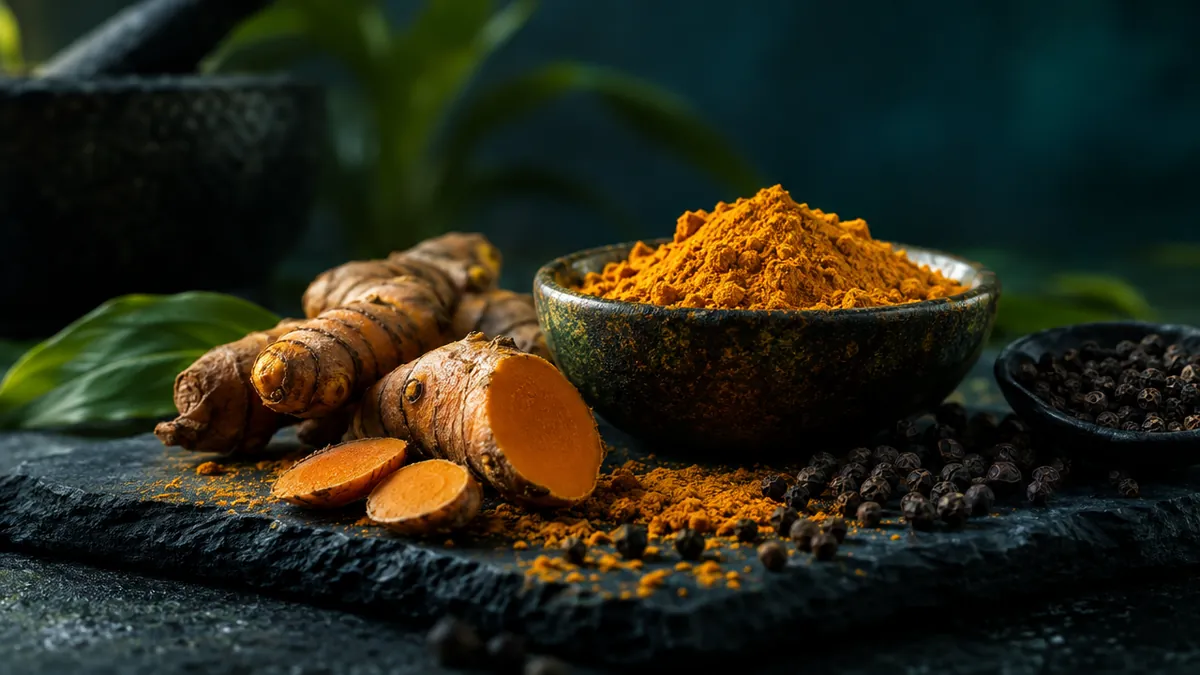
Turmeric and curcumin: an anti-inflammatory miracle or an overblown promise?
Turmeric and curcumin supplements are popular for joint pain and inflammation. What does research show, and what is the problem with absorption?
Nutrition
Ultra-processed foods: are they really harmful, and what does it mean day to day?
Ultra-processed foods under the NOVA classification and health: what research shows, and how to sensibly cut down on them.
Training
VO2 max: why it is one of the best markers of a long life
VO2 max measures your aerobic fitness. What it means, how to estimate it with a smartwatch, and how to improve it.
Sleep and recovery
Waking up at night: why it happens, and what you can do
Waking up is a natural part of sleep, but getting back to sleep can be hard. Causes, tips, and when to see a doctor.
Lifestyle
Weight fluctuation: why the scale changes from day to day
Body weight can fluctuate by 1–2 kg within a day. What causes it (water, glycogen, salt, the menstrual cycle), and how to weigh yourself so the data make sense?
Training
Zone 2 cardio: what it is, and do you need it?
Zone 2 is easy to moderate endurance training at a conversational pace. Why it is recommended, how to find your pace, and how much is enough.
Lifestyle
10,000 steps a day: myth or useful goal?
10,000 steps is a number that came from marketing, but research shows that fewer steps already count for a lot. How many are useful?
Training
A beginner gym plan: 3 days a week
A simple full-body plan for beginners with 3 workouts a week: exercises, sets, reps and how to progress.
Sleep and recovery
Afternoon naps: when they help, and when they hurt
A short nap can improve alertness and performance, but with poor timing it can disturb your night's sleep.
Lifestyle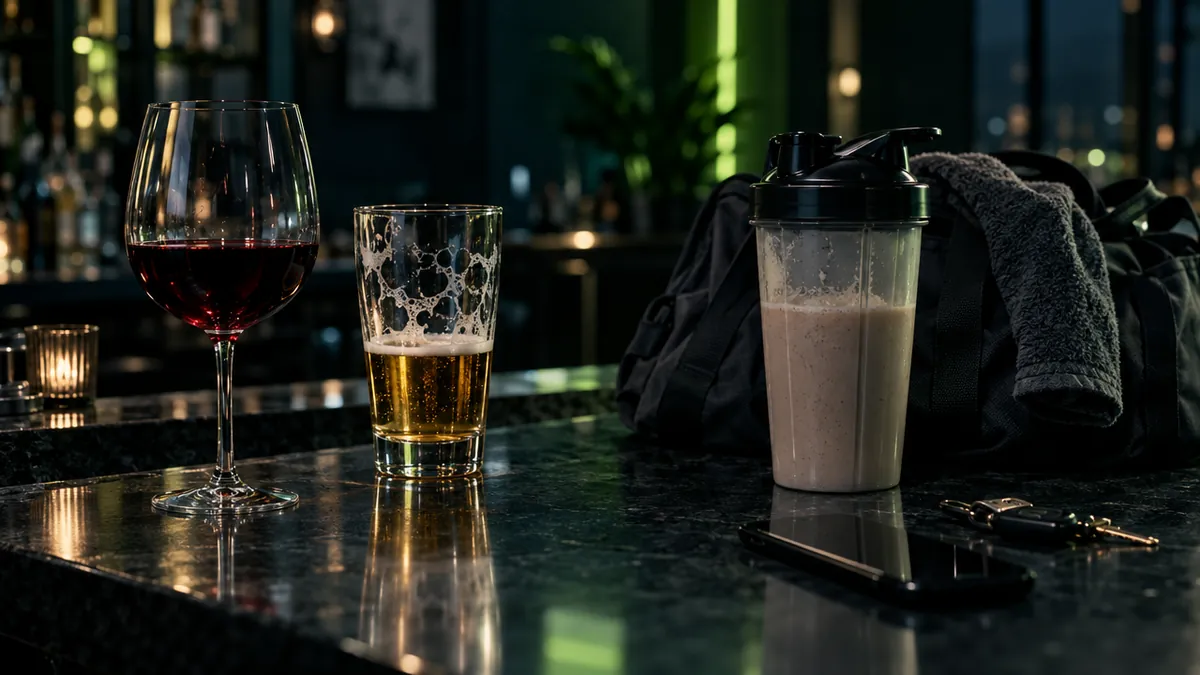
Alcohol and muscle building: how much does it hurt your training?
What does alcohol do to recovery, sleep and muscle protein synthesis? Realistic advice on drinking in moderation.
Training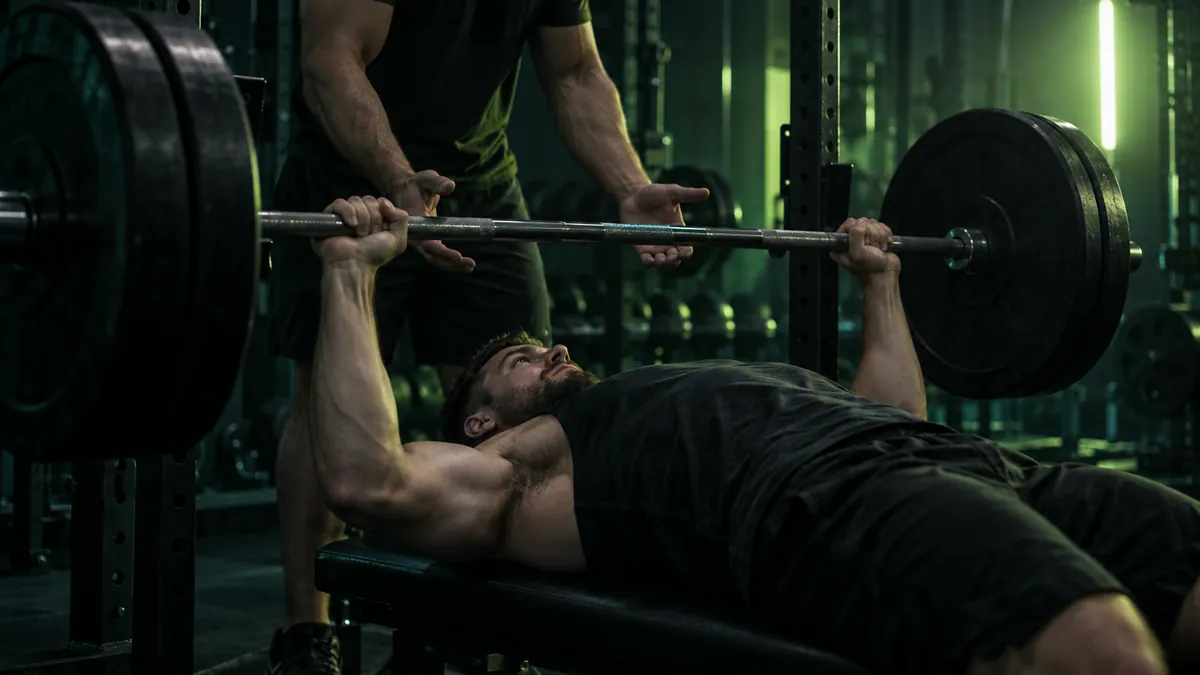
Bench press: correct technique and the most common mistakes
Setting up on the bench, grip width, elbow angle and breathing: how to press safely and effectively.
Lifestyle
Building habits: how training becomes routine
How long does it take to form a habit, and how can you help training and healthy eating stick?
Sleep and recovery
Caffeine and sleep: when should you have your last coffee?
How much caffeine is safe according to EFSA, and why it is worth stopping six hours before bed.
Training
Cardio and muscle building: do they get in each other's way?
Can you build muscle while running, cycling or walking? What research shows about the so-called interference effect.
Biohacking
Cold showers and sauna: what we know about their effects
Cold water immersion and sauna: when they help recovery, when they can hurt muscle building, and what to watch out for.
Vitamins and supplements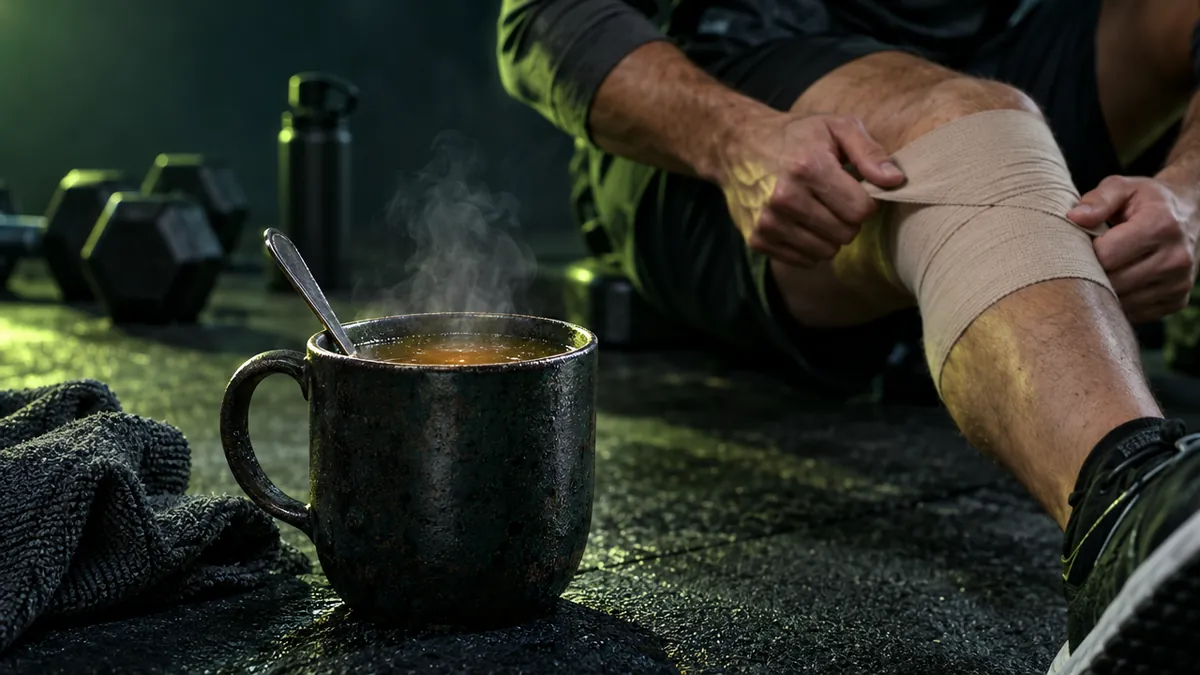
Collagen: does it help joints and tendons?
Collagen powder is popular, but what does research show? What is there evidence for, and what not?
Recipes
Cottage cheese protein pancakes: recipe
Simple, filling pancakes with oats, eggs and cottage cheese, for breakfast or after training.
Vitamins and supplements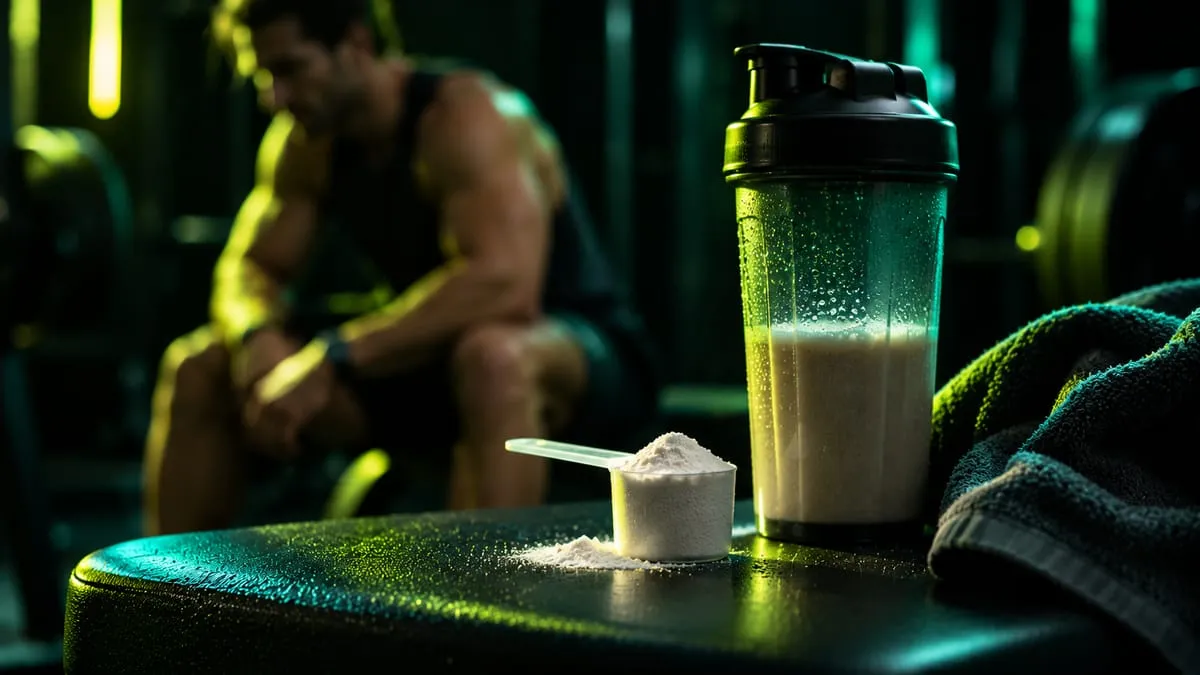
Creatine for beginners: what we know, and what we do not
Creatine is one of the best-researched sports supplements. What research proves, what the usual dose is, and who should avoid it.
Training
Deload: when and how to take an easier week
A deload is a planned, lighter training week. When do you need one, what does it look like, and when is it unnecessary?
Lifestyle
Desk jobs: why standing up every hour matters
According to the WHO, sitting less counts too. Simple habits for people who sit at a desk.
Nutrition
Fibre: why most diets fall short
EFSA considers 25 grams of fibre a day adequate. Where it can come from, how to increase it without bloating, and how to fit it into your meals.
Training
Home workouts without equipment: can you build muscle?
You can get stronger and build muscle with bodyweight training too. How to make it effective, and when is it worth buying equipment?
Training
How long should you rest between sets?
For strength and muscle, longer rest is usually better. A guide by goal, and what it means in practice.
Nutrition
How many carbs do active people need? Daily ranges
According to the ACSM, carbohydrate needs depend on how much you train. Practical ranges, with sources.
Training
How many reps should you do? Light or heavy weights?
How many reps are right for muscle and strength? Research says a wide range works, as long as you get close enough to failure.
Training
How many sets do you need for muscle growth? Weekly training volume
How many weekly sets per muscle group are optimal? What the meta-analysis shows, and how to find your own level.
Training
How many times a week should you train?
What is the minimum, what is the optimum, and how to choose a training frequency that fits your time and your goal.
Nutrition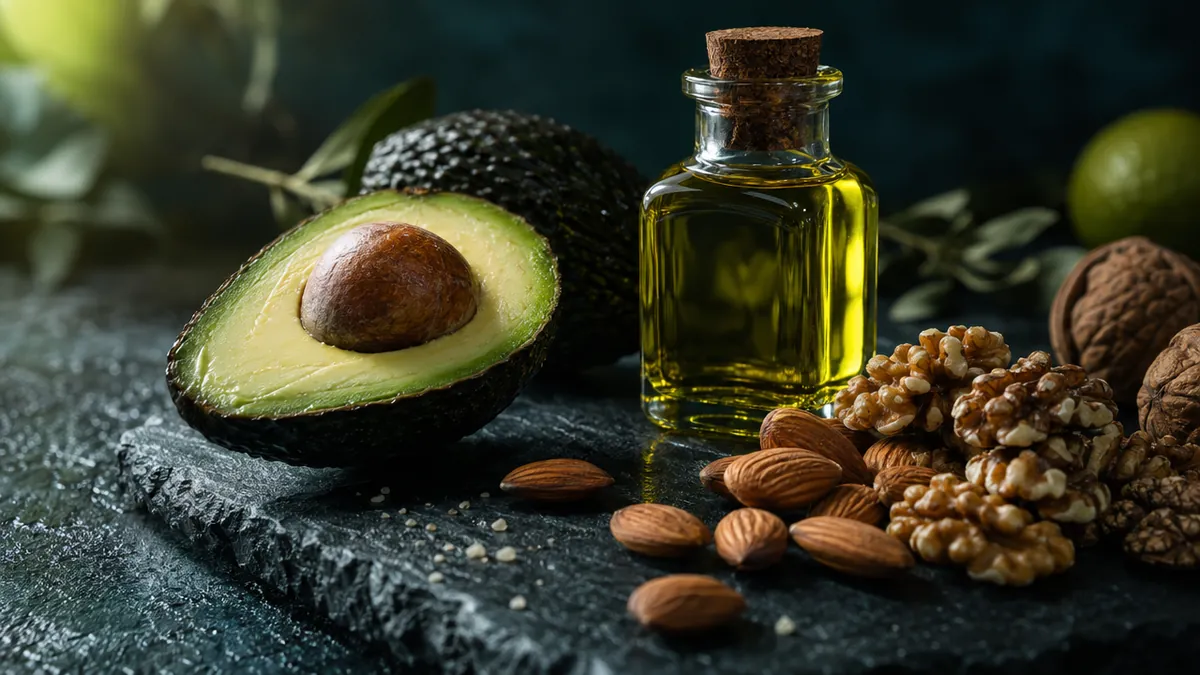
How much fat do you need a day? Healthy fat intake
According to EFSA, 20–35% of daily energy can come from fat. What are good sources of fat, and what does this mean in grams?
Nutrition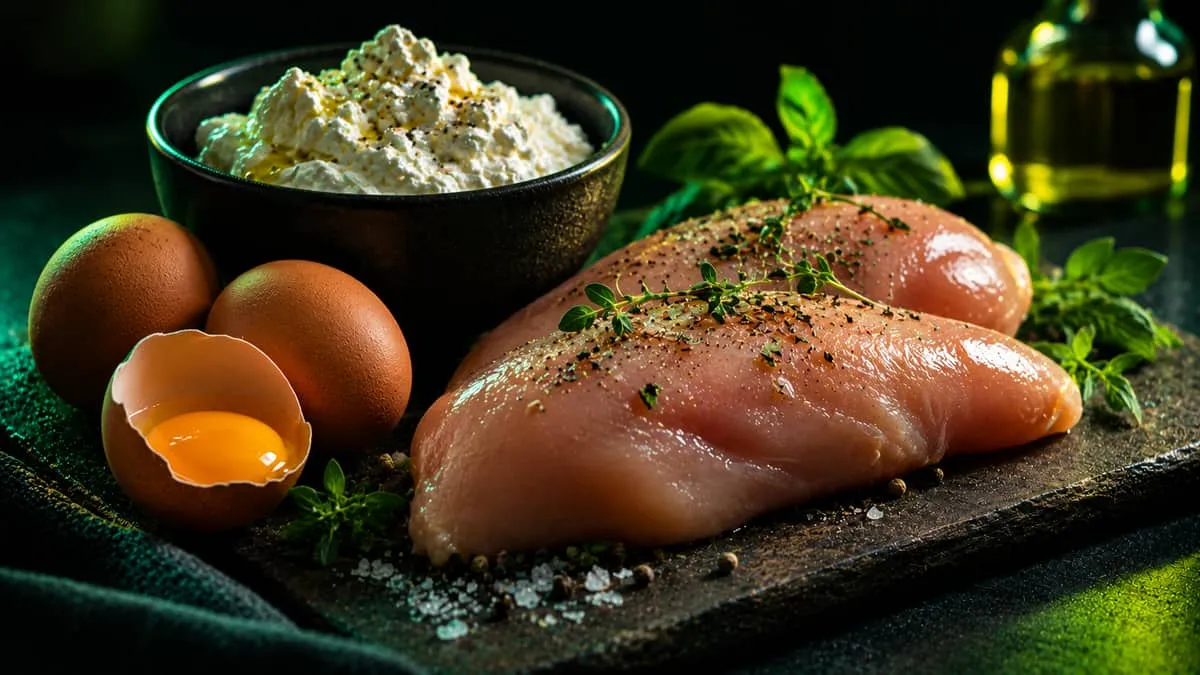
How much protein do you need to build muscle?
What research says about daily protein intake alongside strength training, how to get it from everyday food, and when a supplement makes sense.
Nutrition
How much sugar is too much? Added sugar and sweeteners
According to the WHO, added sugar should be at most 10% of your daily energy. What does that mean in grams, and what about sweeteners?
Lifestyle
How much water should you drink a day?
EFSA's recommendation for total daily water intake, how much of it comes from drinks, and when you need more (training, heat).
Nutrition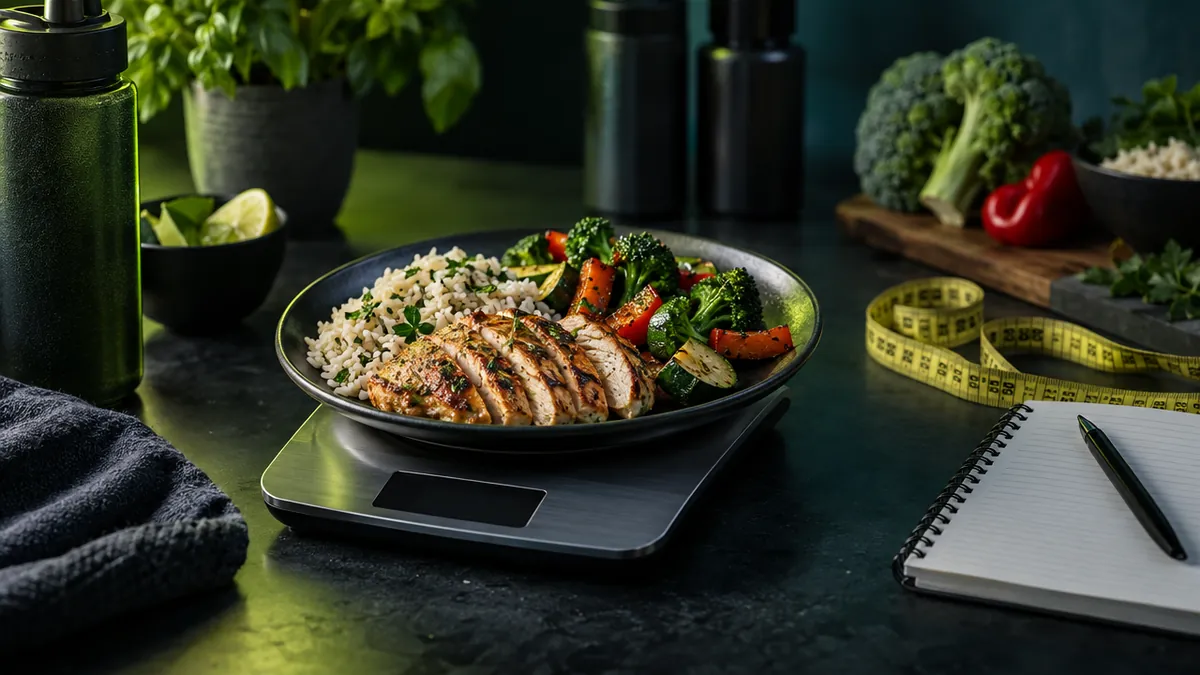
How to lose weight smartly: the basics of a calorie deficit
How big should your calorie deficit be, what pace is sustainable, and how do you keep your muscle along the way?
Biohacking
Intermittent fasting: does it work, and who is it for?
Intermittent fasting is a way of timing your meals. What research shows about weight loss and muscle, and who should avoid it.
Vitamins and supplements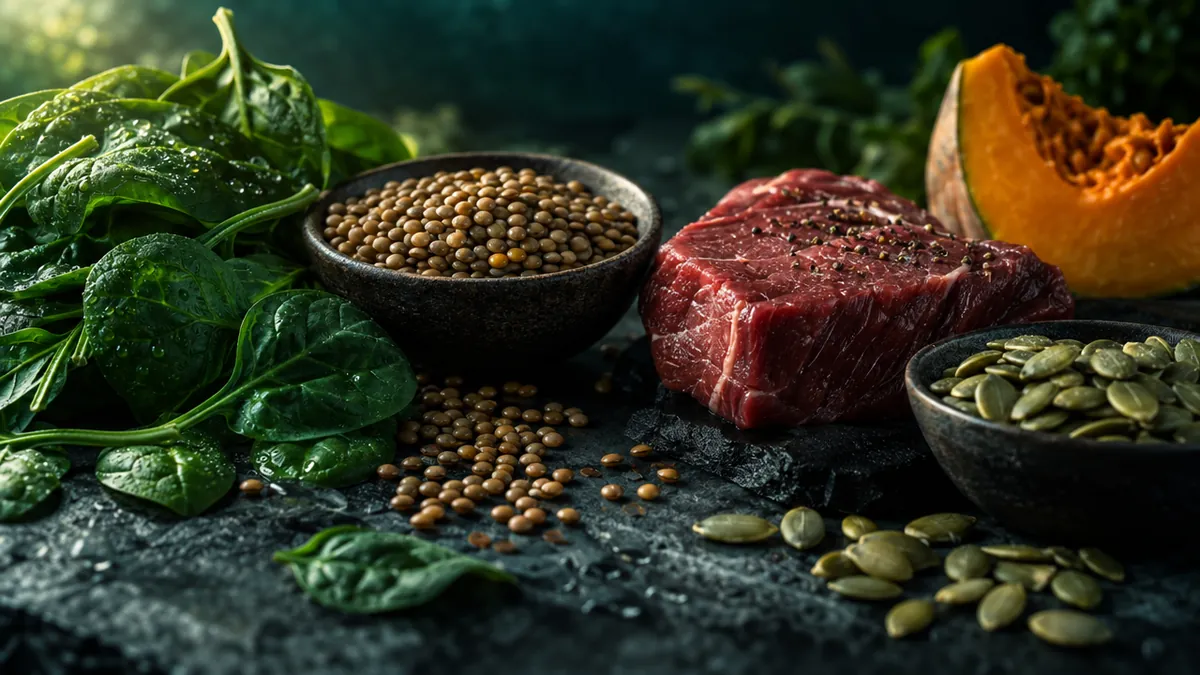
Iron and tiredness: when to suspect iron deficiency
Iron deficiency is common, especially in women and athletes. How much iron do you need, what are good sources, and when should you see a doctor?
Vitamins and supplements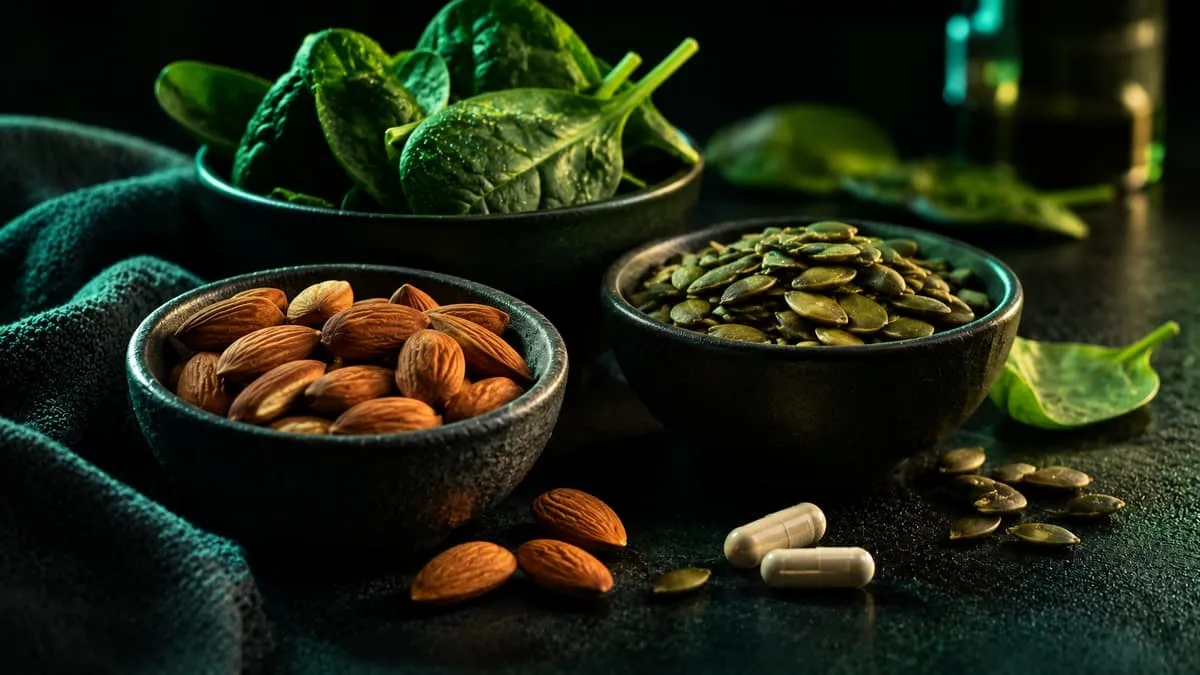
Magnesium: do you need a supplement?
How much magnesium is enough a day, where to get it from food, and when to talk to a doctor about a supplement.
Recipes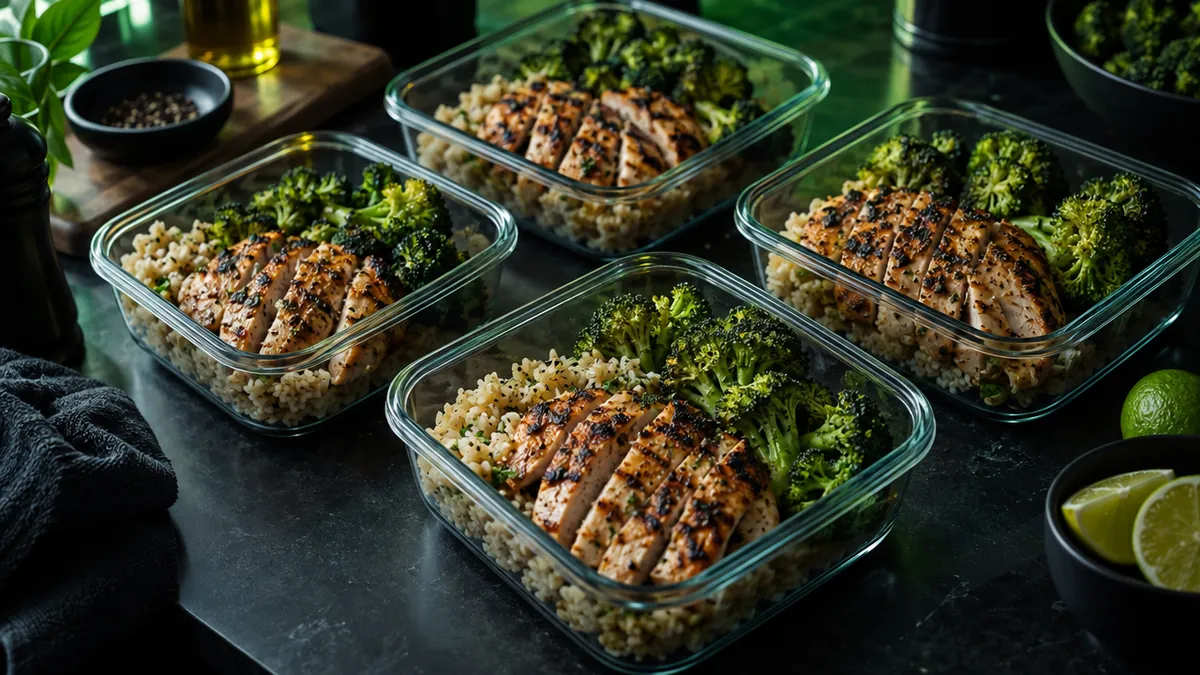
Meal prep: chicken, rice and broccoli on one tray (recipe)
A simple cook-ahead recipe: 4 servings of chicken, rice and broccoli, with about 40 g of protein each, plus the rules for keeping it in the fridge.
Biohacking
Morning light and your body clock: the cheapest biohack
Light is the strongest signal for your circadian rhythm. What we know about morning sunlight, and how to fit it into your day.
Training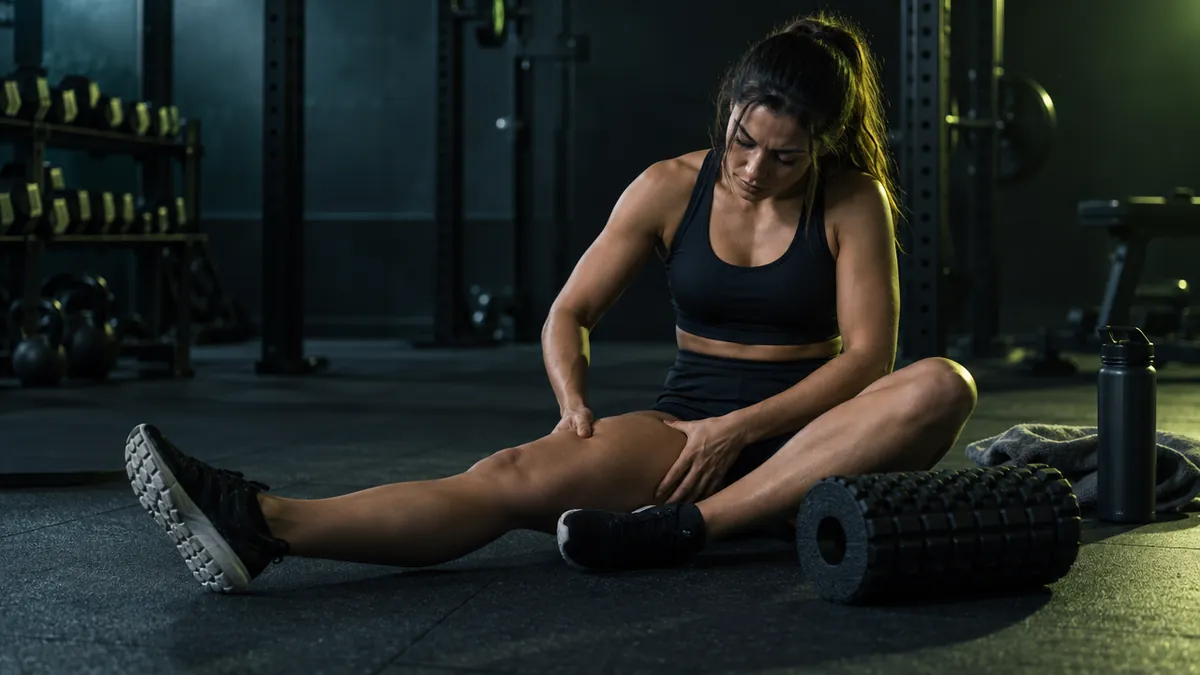
Muscle soreness: what causes it, and what really helps?
Muscle soreness is normal, and it is not a measure of how effective your training was. What research shows about recovery methods.
Vitamins and supplements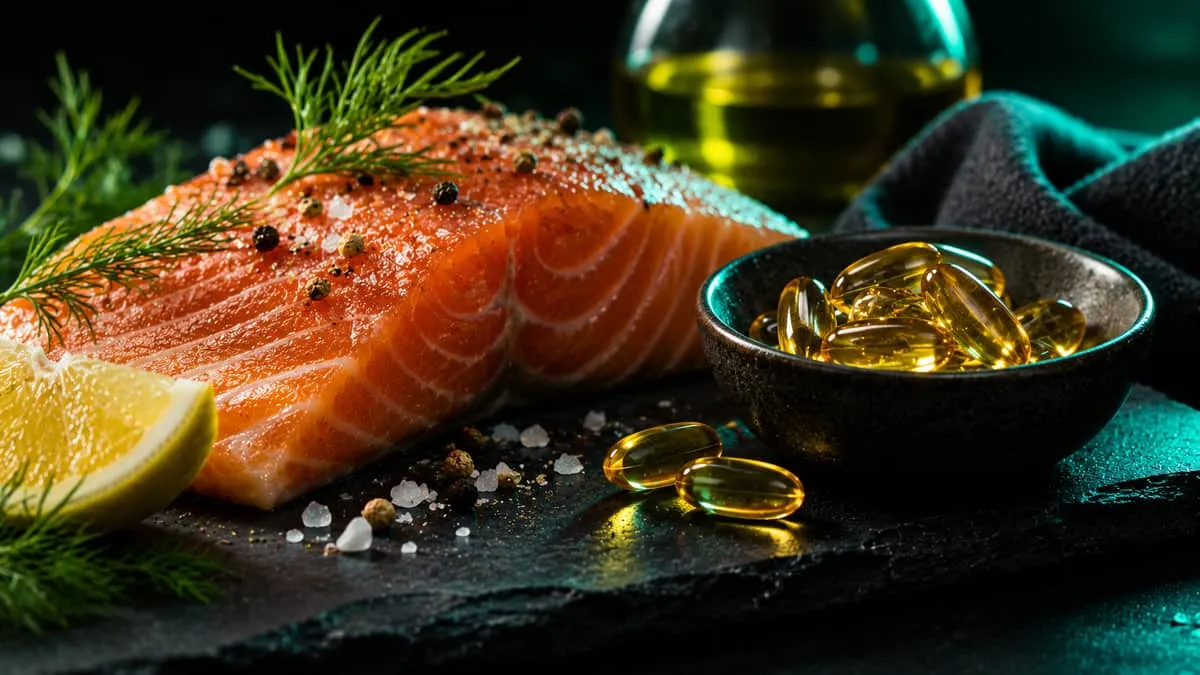
Omega-3: how much fish is enough?
According to EFSA, 250 mg of EPA+DHA a day is adequate for adults. How much fish does that take?
Training
Plateaus: what to do when you stop progressing
When a plateau is really a plateau, and what to change: sleep, food, volume, load.
Training
Progressive overload made simple: how to keep moving forward
The basic principle of strength and muscle gains: a gradually harder task. Practical rules for weight, reps and logging.
Nutrition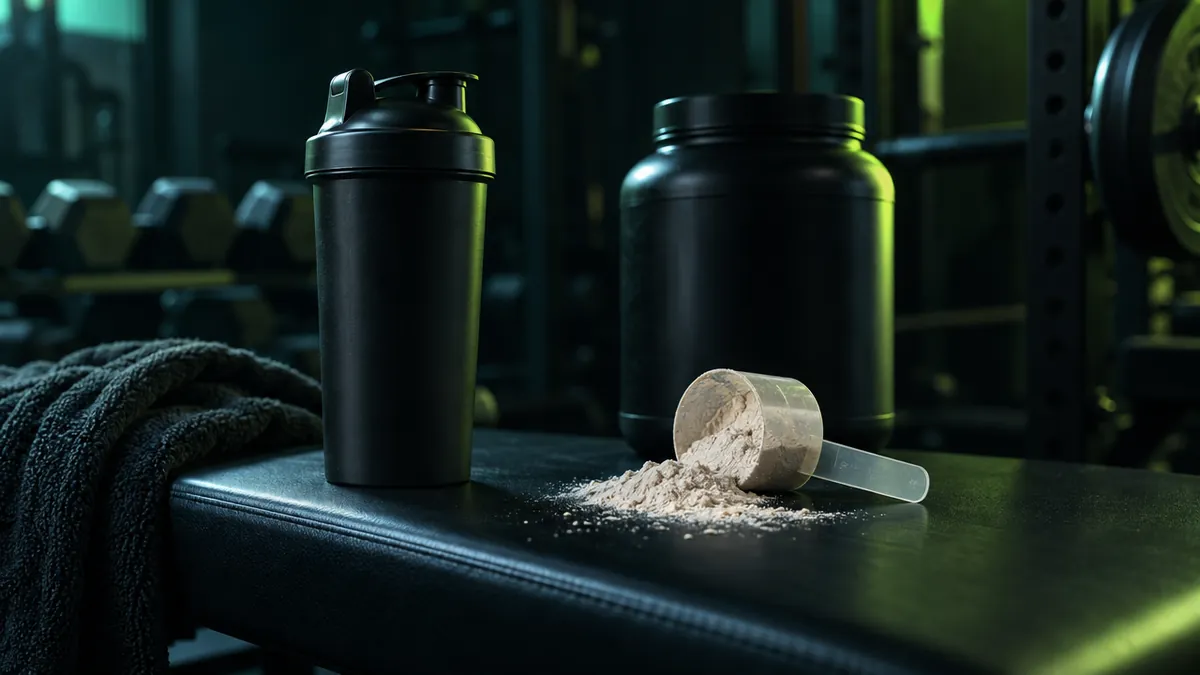
Protein powder: do you need it, and which one should you choose?
Whey, casein, plant or egg? When protein powder helps, what to look for when buying, and when it is unnecessary.
Recipes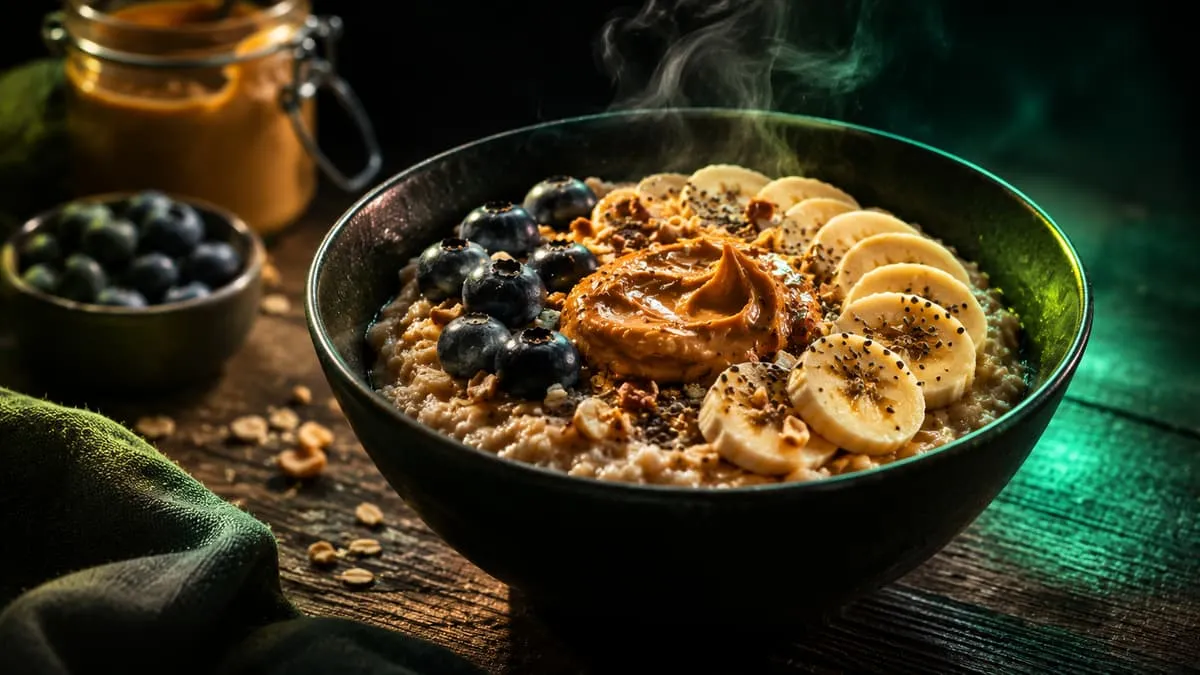
Quick protein porridge: recipe
A simple breakfast with about 30 g of protein: oats, milk, cottage cheese and berries.
Lifestyle
Restaurants, parties, holidays: how to stay on track
How to enjoy food in restaurants, at family celebrations and on holiday without derailing your goals.
Sleep and recovery
Screens in the evening: does blue light matter?
What research says about using screens before bed, and what is worth changing.
Sleep and recovery
Sleep and muscle growth: why the night matters
How much sleep you need, what happens to your muscles while you sleep, and what you can do to sleep better alongside training.
Sleep and recovery
Sleep hygiene: 10 simple habits for better sleep
How much should you sleep, and how can you improve sleep quality? Practical habits backed by research.
Training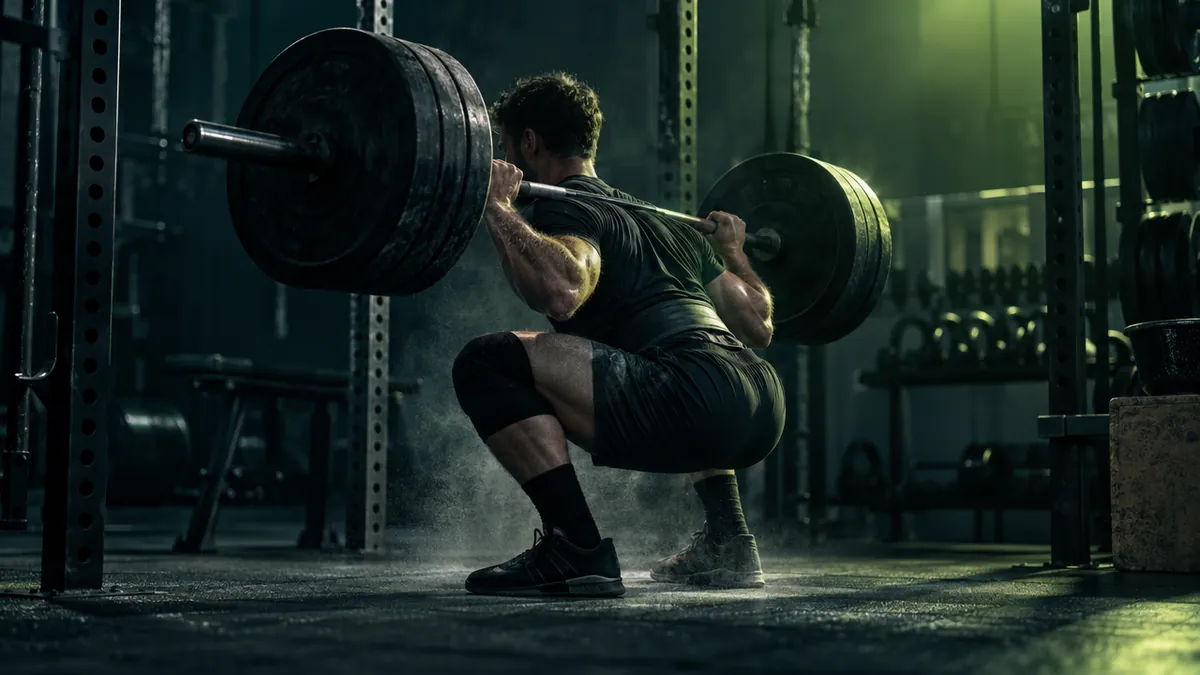
Squat technique: step by step for beginners
How to stand, how deep to squat, and what to watch so your squat is effective and safe.
Lifestyle
Stress and exercise: what can training do for tension?
How regular exercise relates to stress, mood and sleep, and how to use it as an everyday tool.
Training
Stretching and mobility: do you need it, and when?
Stretching improves your range of motion, but it is no magic shield against injury. When and how is it worth doing?
Nutrition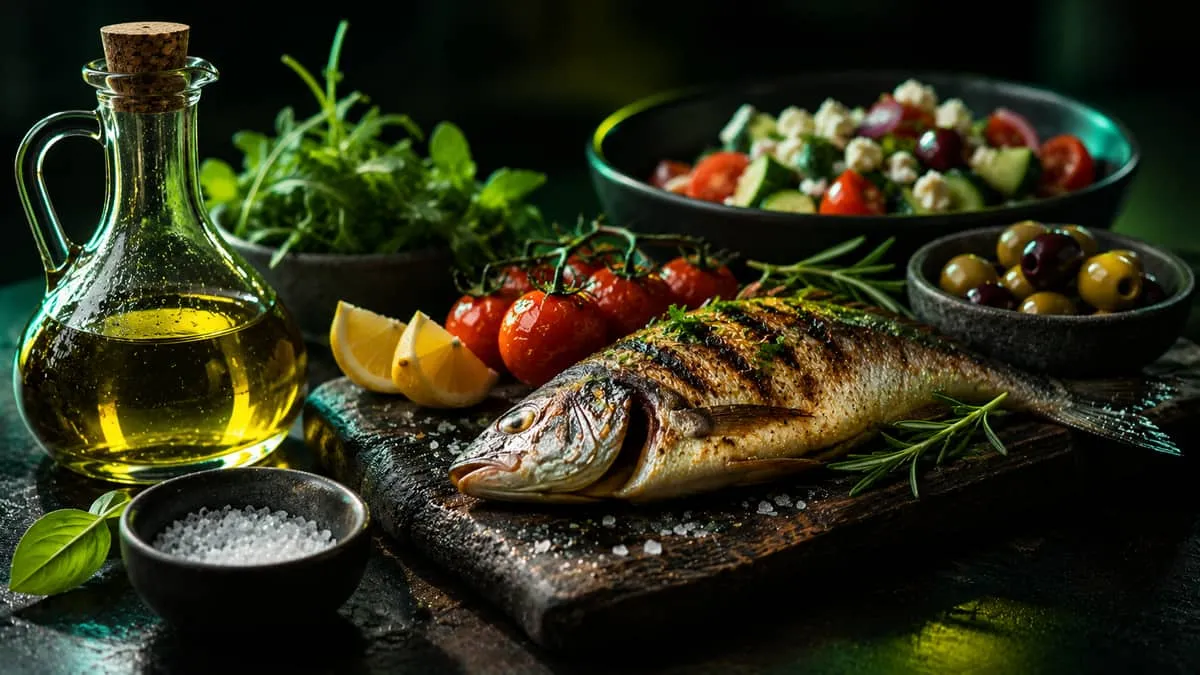
The Mediterranean diet: what it means in practice
Vegetables, legumes, fish, olive oil: the principles of the Mediterranean diet, a sample day, and how to bring it into everyday life simply.
Lifestyle
Training alongside work: how to fit it into little time
Short on time? Short, planned workouts can still bring real gains in strength and muscle. A practical plan for busy people.
Training
Training splits: full body, upper-lower or push-pull-legs?
Which training split suits you, based on how many days you train and your goal? A comparison for beginners and advanced lifters.
Vitamins and supplements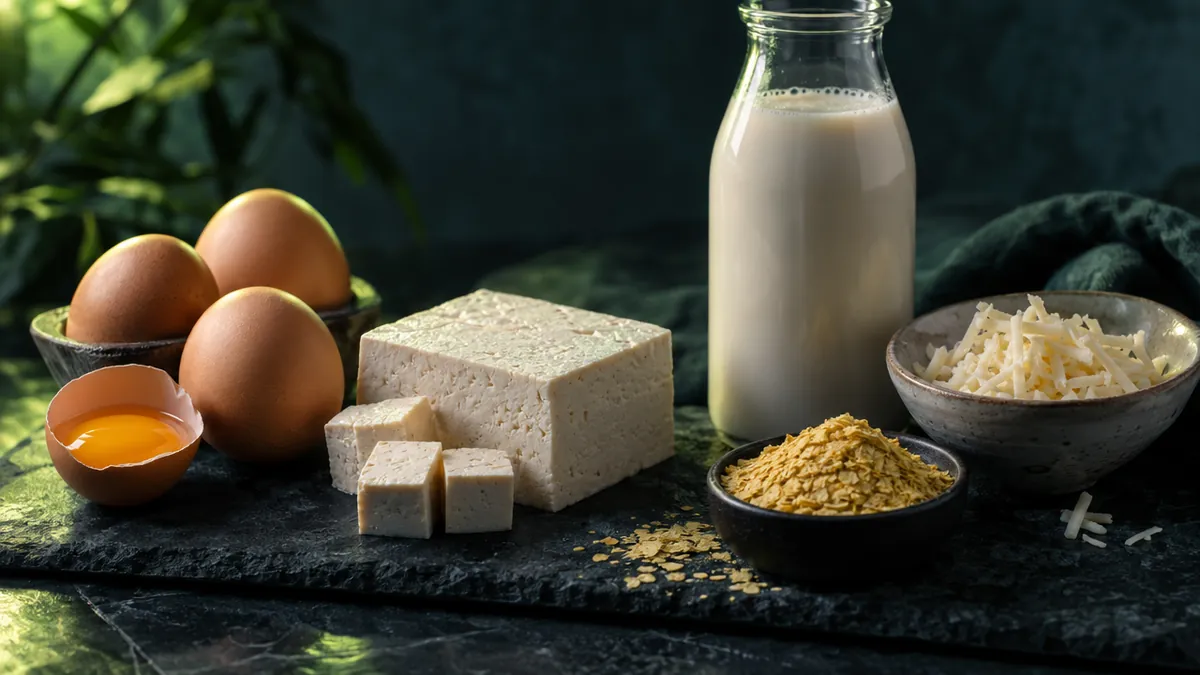
Vitamin B12 for vegetarians and vegans
Vitamin B12 is found almost only in animal foods. How much do you need, and when do you need a supplement?
Vitamins and supplements
Vitamin C: do you need a supplement, and how much is enough?
How much vitamin C you need a day according to EFSA, and what a supplement can really do against colds.
Vitamins and supplements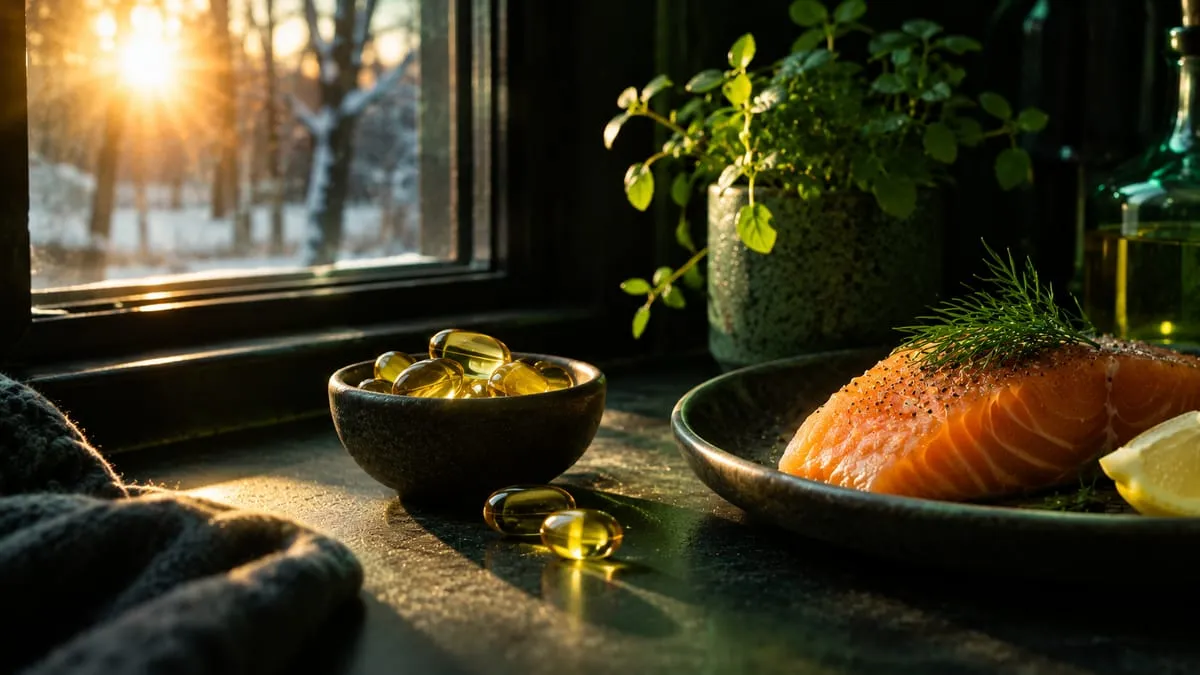
Vitamin D in winter: should you take it, and how much?
Why vitamin D runs low in winter in Central Europe, what the official recommendation says, and when to talk to a doctor.
Training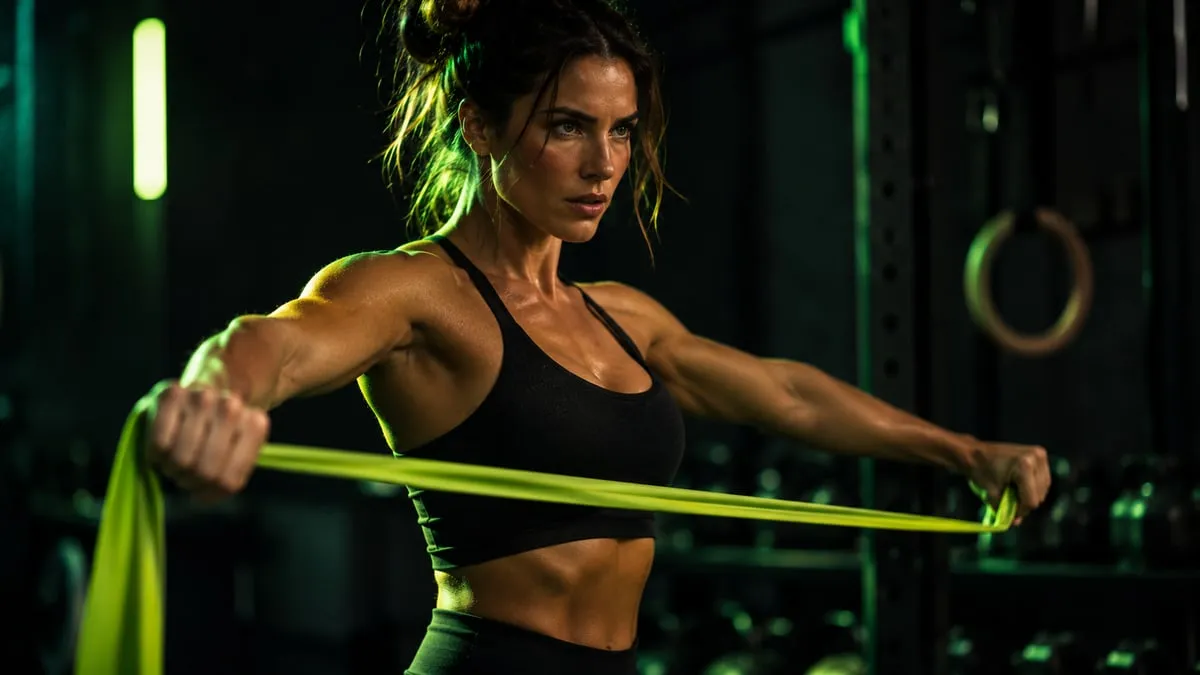
Warming up: how much, and how?
A short, targeted warm-up before training: why it is worth it, and how to build it in 5–10 minutes.
Nutrition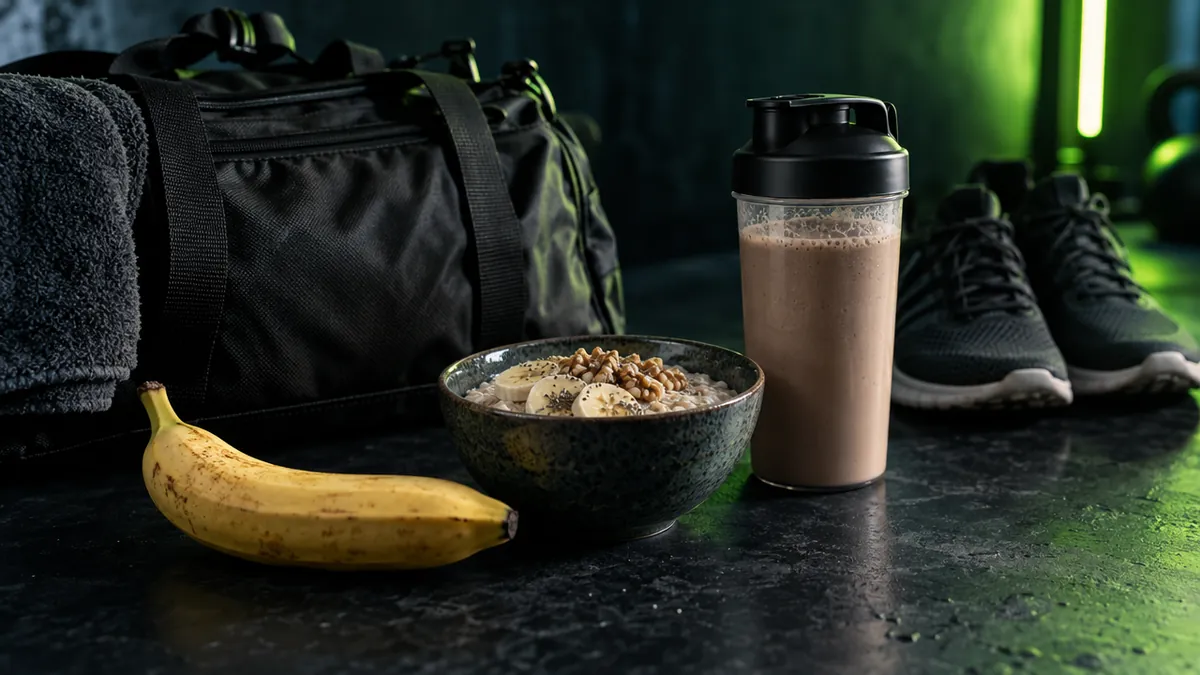
What to eat before and after training: meal timing
Does it matter when you eat around training? Research says total daily intake matters more, but a few practical rules help.
Training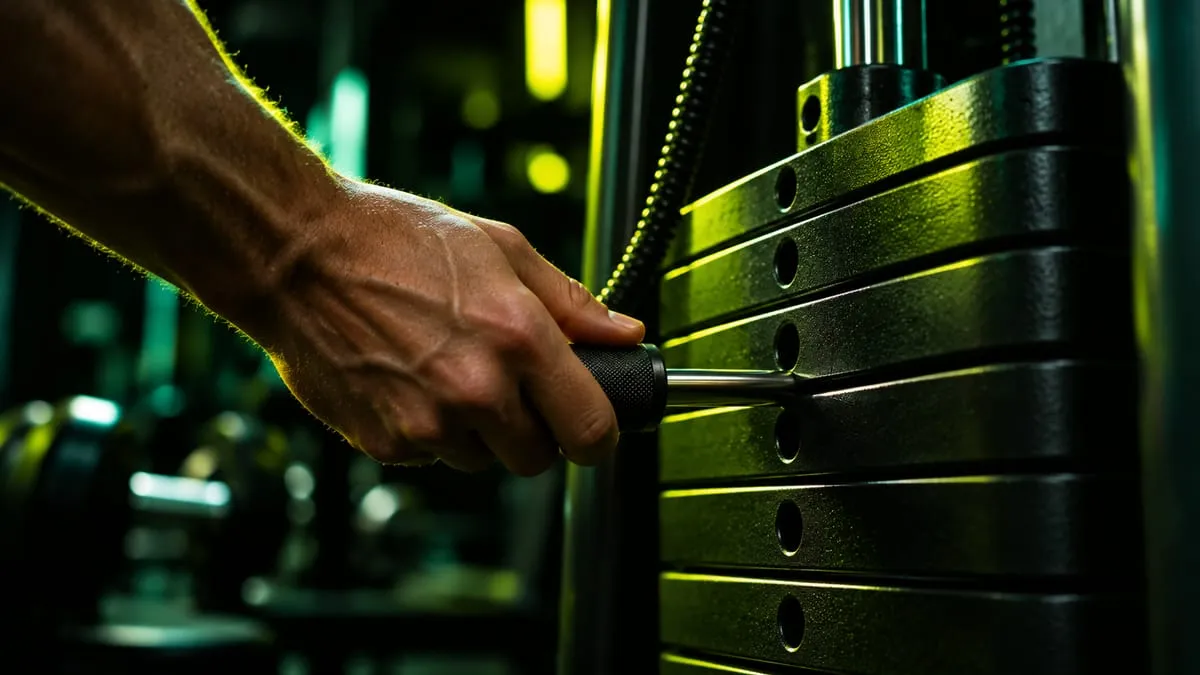
Why 60 kg is not the same on two different machines
Leverage, pulleys, weight stacks: why the weight you lift on different machines cannot be compared, and what to do when you log it.
Vitamins and supplements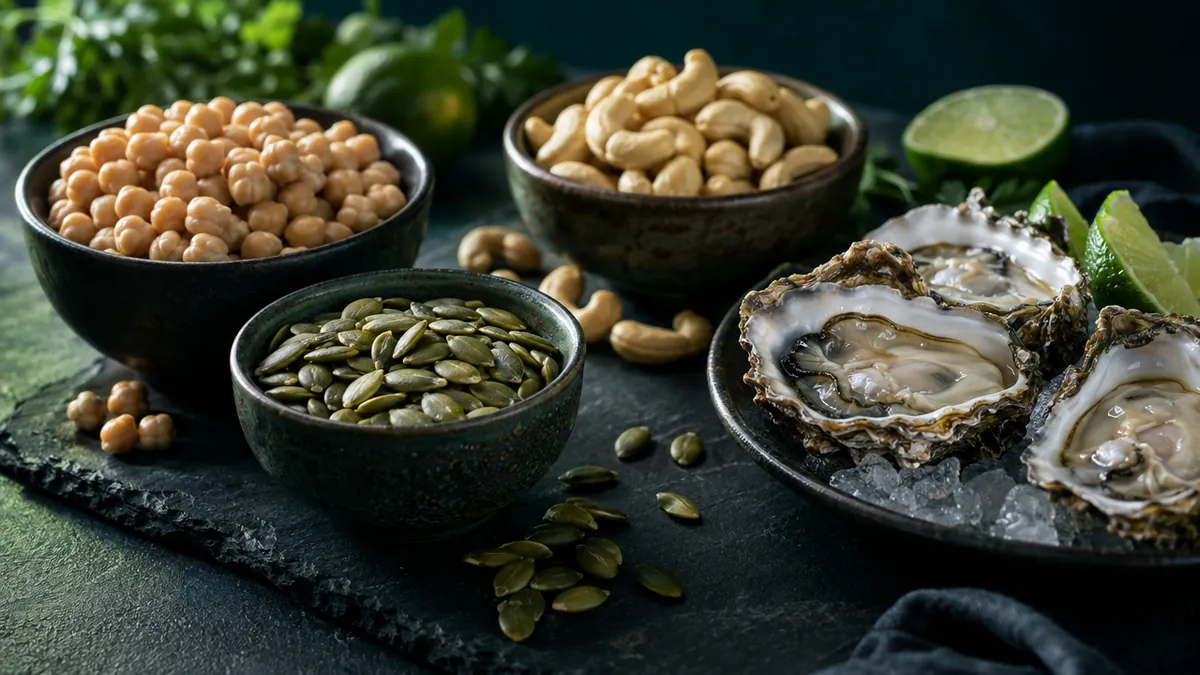
Zinc: what it does, how much you need, and when it can harm
Zinc matters for immune function and wound healing. What is the recommended intake, and what is the upper limit?
No articles found. Try a shorter word, or pick a goal above.
The Magazine gives general information. It does not replace advice from a doctor or dietitian.