

Health and longevity
Evidence-based habits for feeling good and ageing well.
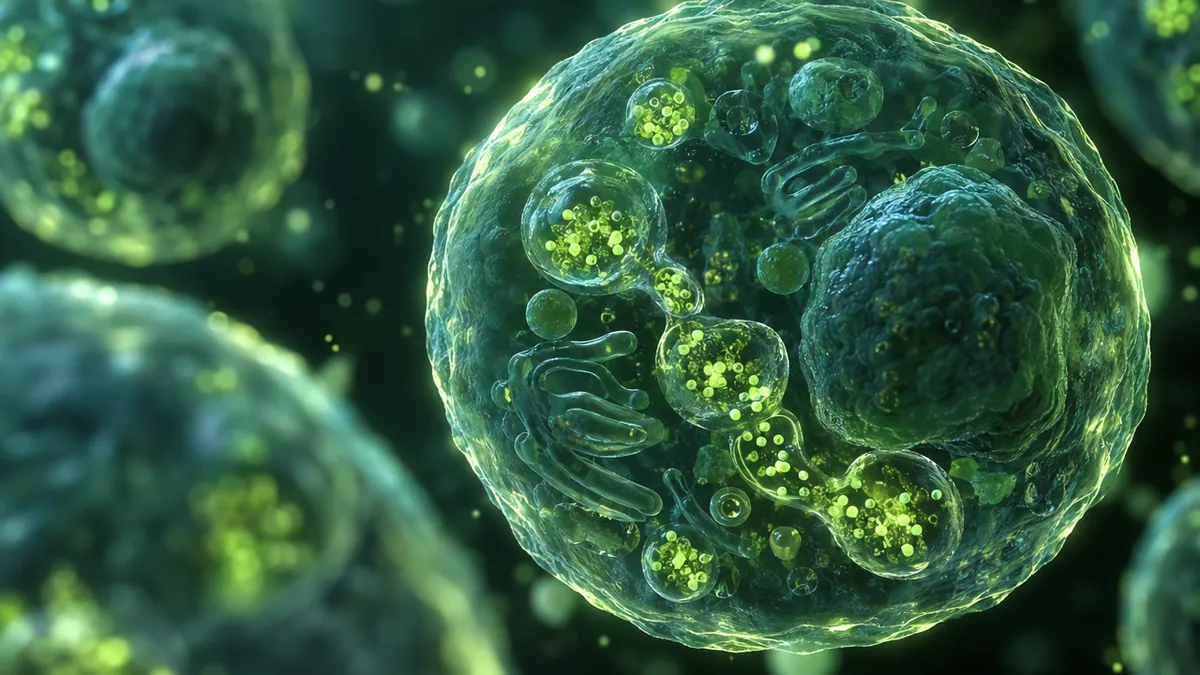
Autophagy: cellular 'self-renewal', and what we know about it in humans
What is autophagy, how is it linked to fasting and exercise, and how believable are the promises of 'autophagy hacks'?
Biohacking
Biohacking for beginners: 7 simple steps that actually work
Biohacking is not about expensive gadgets: these are the evidence-based steps with the biggest effect for the smallest investment.
Lifestyle
BMI, waist size, body fat: which measure should you watch?
The limits of BMI, the waist-to-height ratio and ways to measure body fat: what they show, and how reliable they are.
Training
Training over 40: what to watch, and how to keep progressing
Strength and muscle can still be built after 40. Recovery, warm-up, training volume and protein: practical guidelines.
Vitamins and supplements
Electrolytes and sports drinks: when do you really need them?
Sodium, potassium, magnesium and electrolyte powders: who needs them during exercise, and when are water and normal meals enough?
Nutrition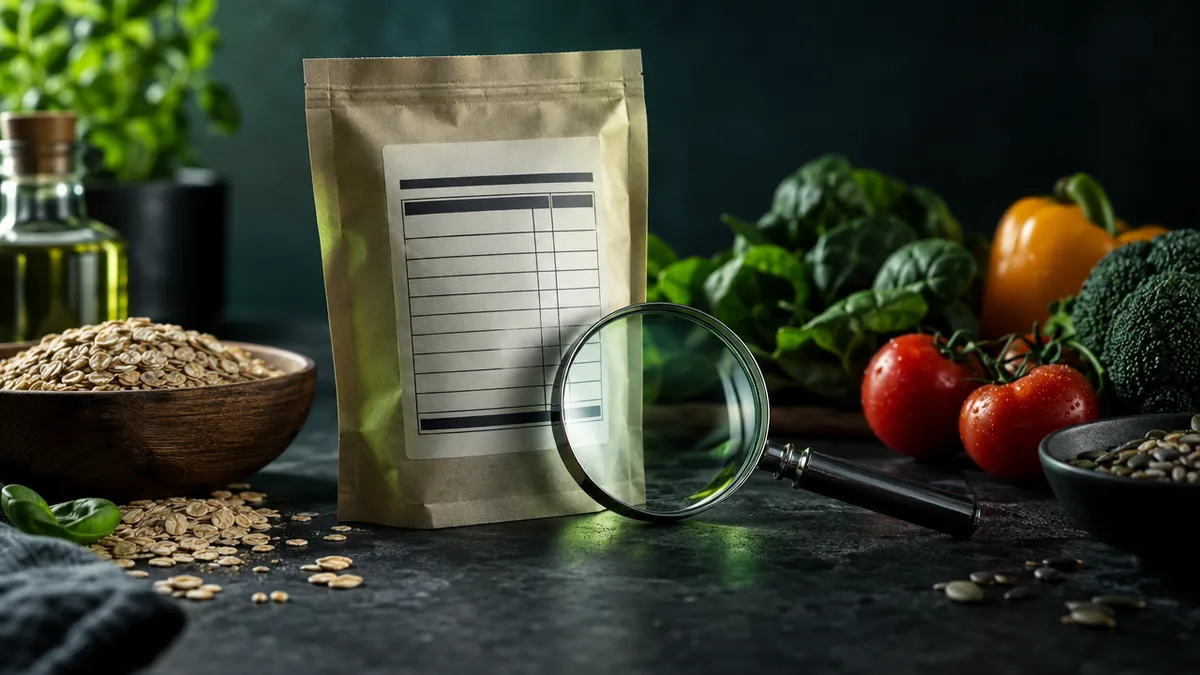
Reading food labels: 6 things worth checking
Nutrition table, ingredient list, serving size and 'healthy' claims: how to read a package quickly, and what really matters.
Training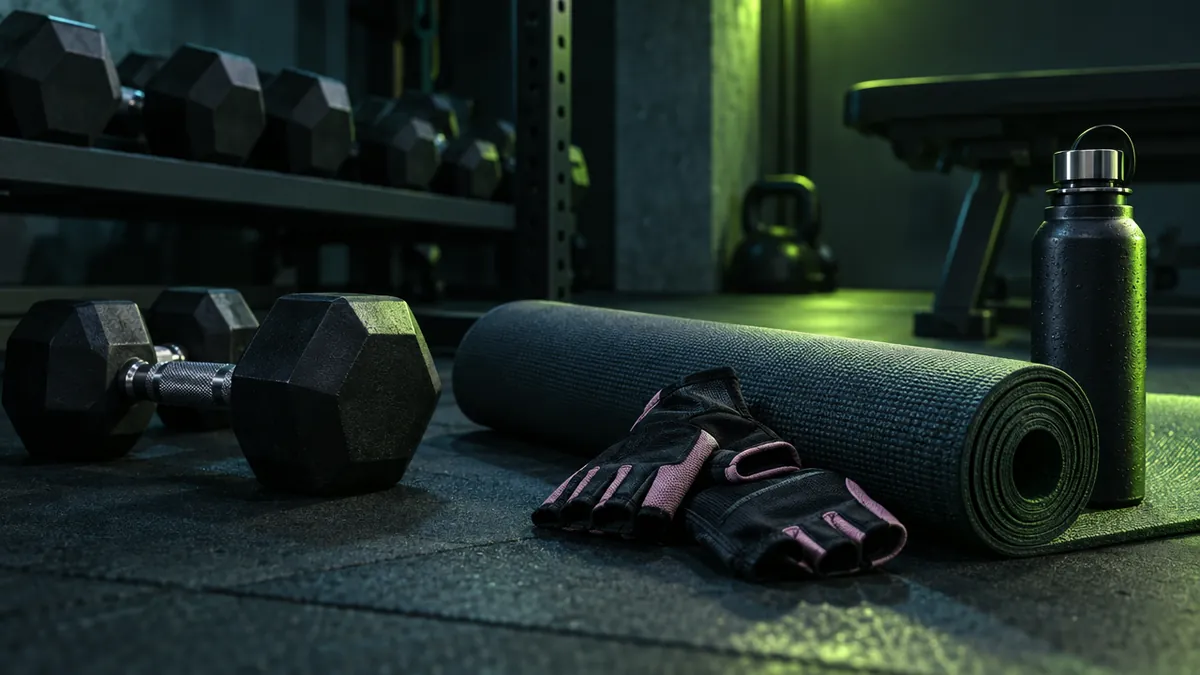
Strength training for women: myths, a beginner plan and common questions
It will not make you look 'bulky'. Why women should lift, how to start, and what to know about your cycle and protein.
Training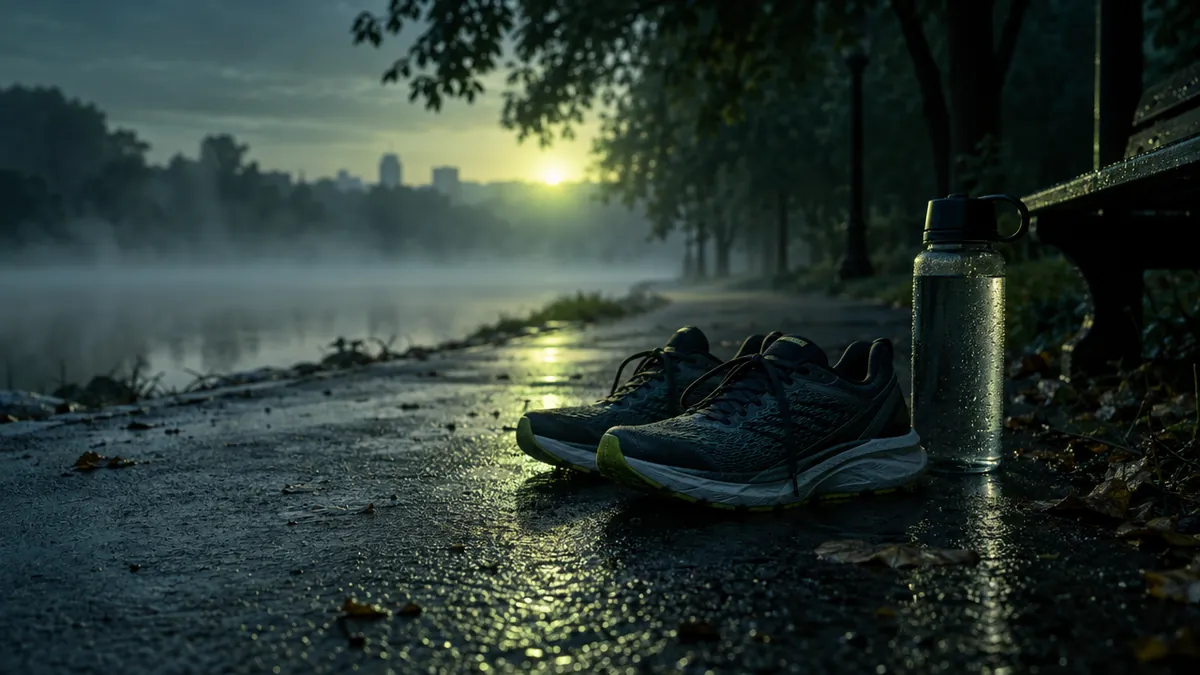
Running for beginners: a safe plan for the first 8 weeks
How to start running without injury? An 8-week plan built on walk–run intervals, choosing shoes and common mistakes.
Lifestyle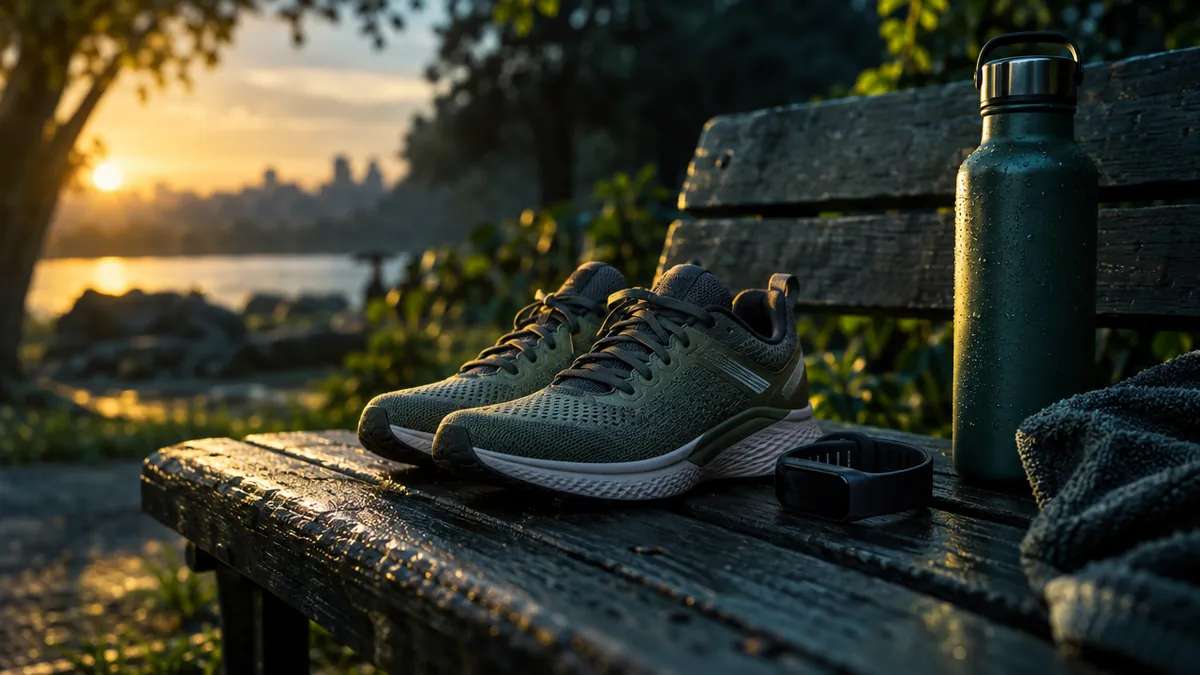
150 minutes of activity a week: what the WHO recommendation means in practice
The WHO recommends 150–300 minutes of moderate activity and 2 strength sessions a week. How can that fit into a busy week?
Training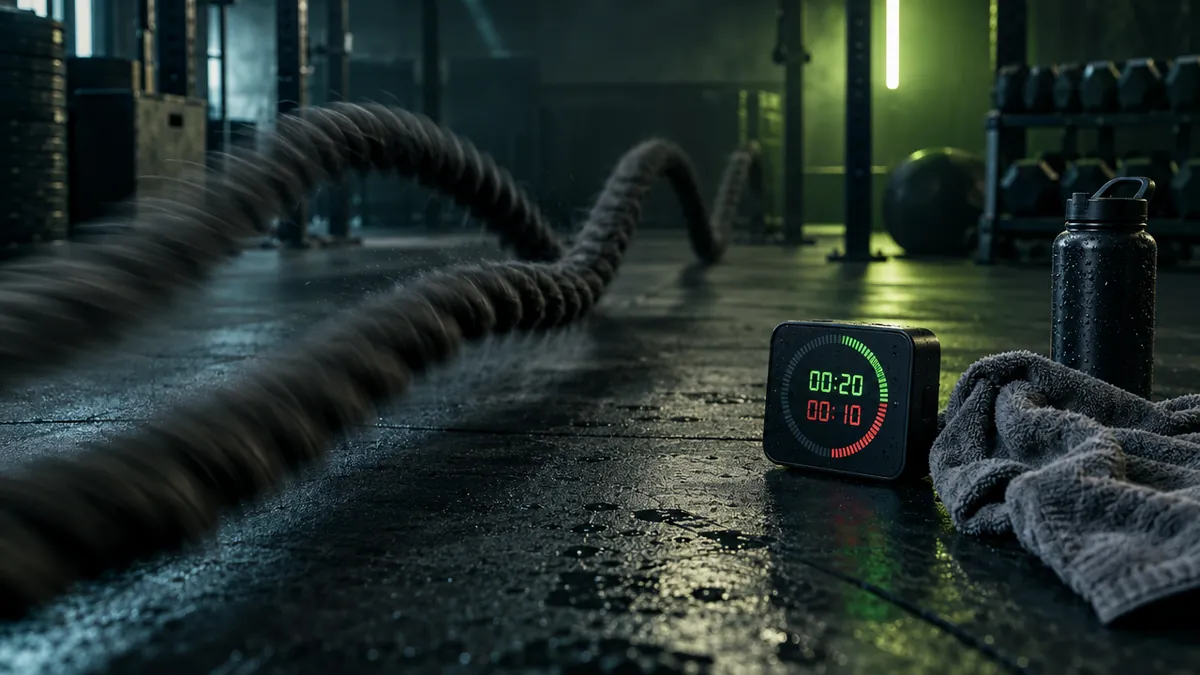
HIIT: interval training for beginners, effective and safe
High-intensity interval training (HIIT) builds fitness in a short time. How to start, and how much is enough?
Biohacking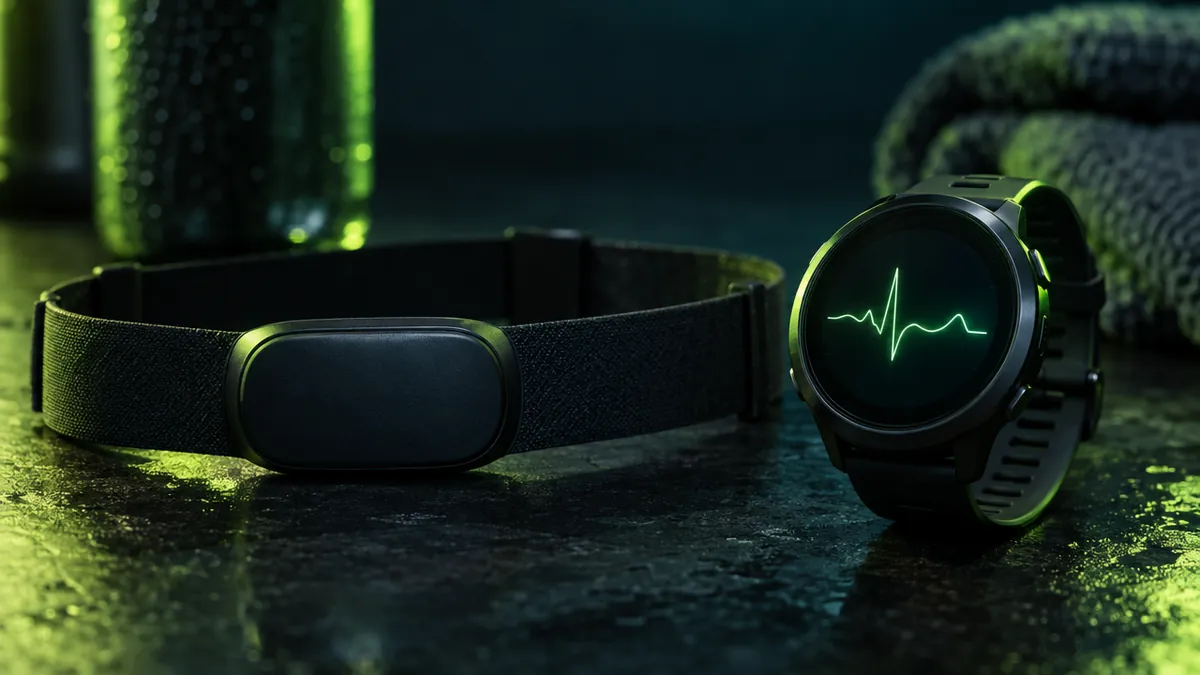
HRV: what heart rate variability shows, and how to use it
Almost every smartwatch shows HRV (heart rate variability). What does it mean, how accurate is it, and how can you use it wisely for training?
Biohacking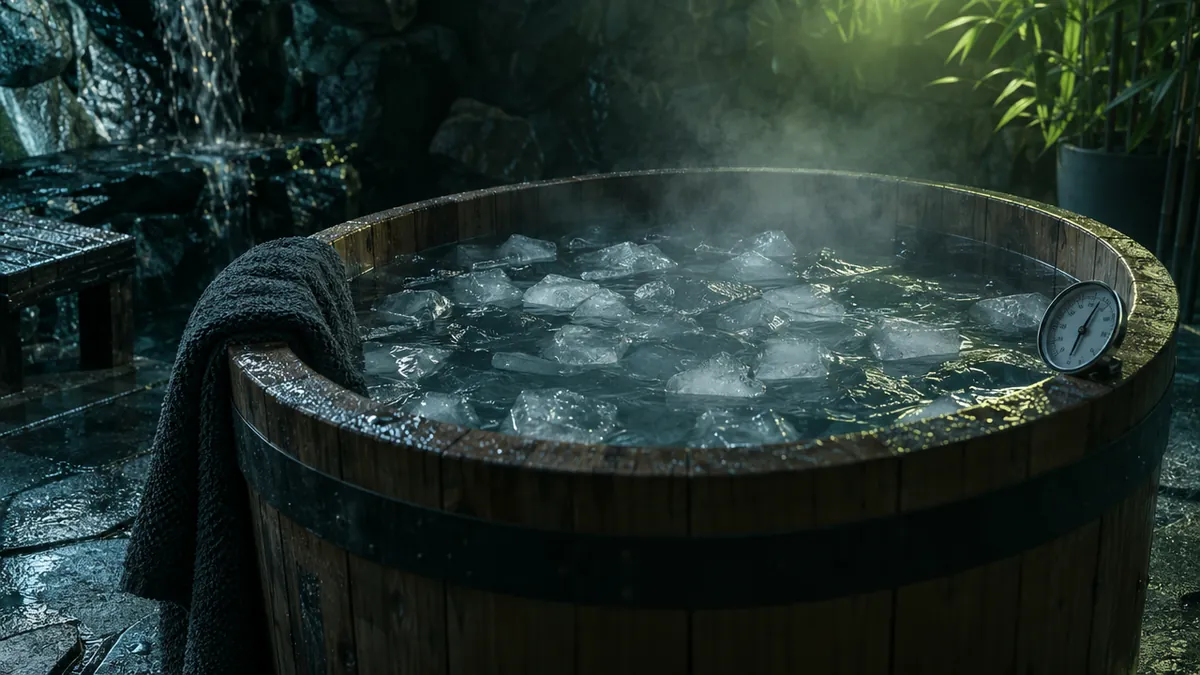
Cold plunge: what cold water does, and how to start safely
Cold water immersion (cold plunge): what research shows about mood, recovery and muscle building, and when not to do it.
Nutrition
Coffee and health: how many cups are good?
Coffee and longevity, the heart, sleep and training: what research shows, and how much coffee counts as moderate.
Lifestyle
Blue zones: what can we learn from the world's oldest communities?
Okinawa, Sardinia, Ikaria: what longevity research shows, and what is disputed about the blue zones.
Vitamins and supplements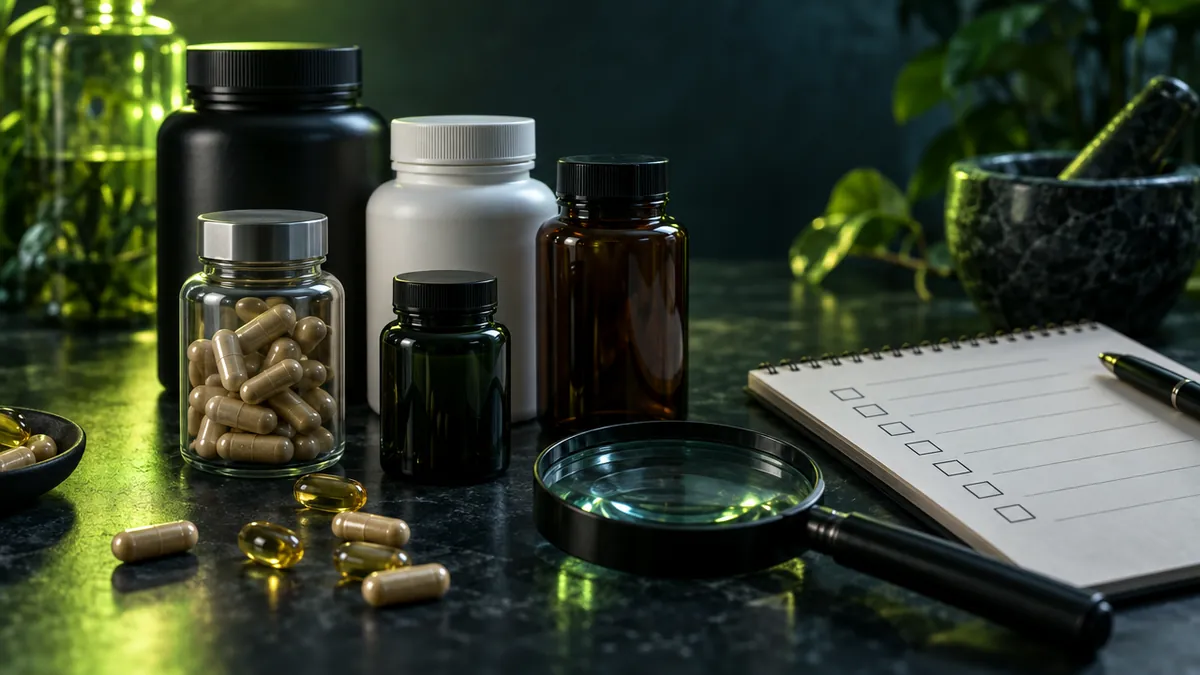
Supplement quality: how to choose a reliable product
Contaminated, counterfeit or misleading supplements exist. What to look for on the label, and what third-party testing means.
Vitamins and supplements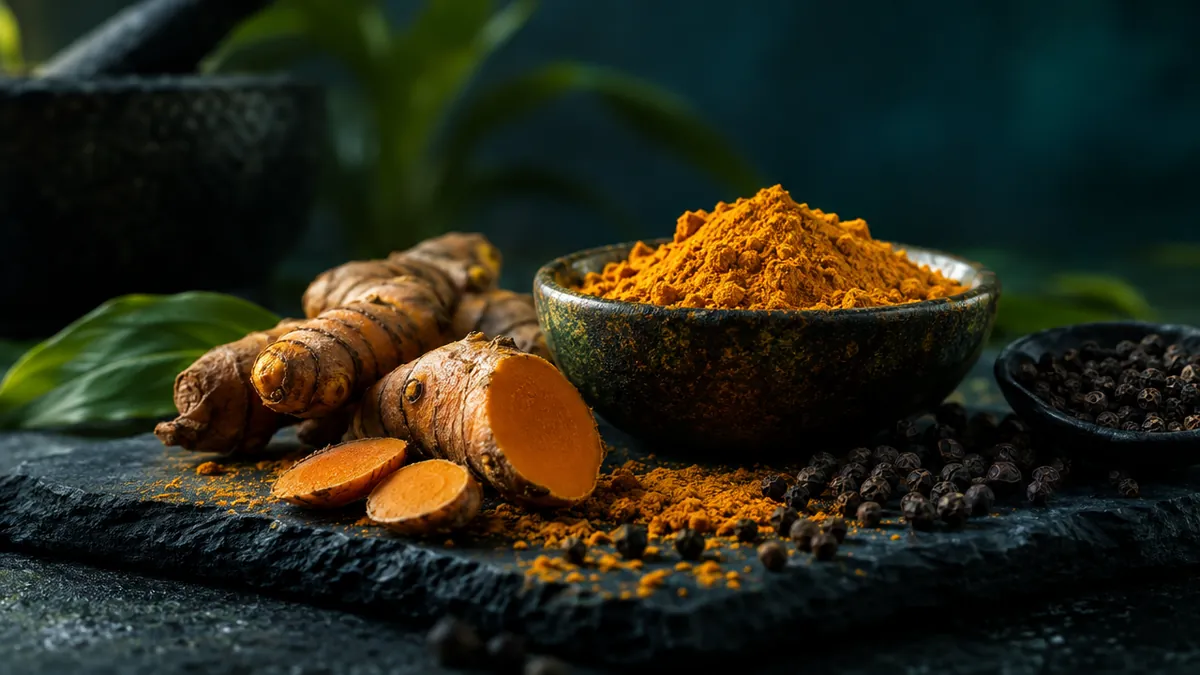
Turmeric and curcumin: an anti-inflammatory miracle or an overblown promise?
Turmeric and curcumin supplements are popular for joint pain and inflammation. What does research show, and what is the problem with absorption?
Recipes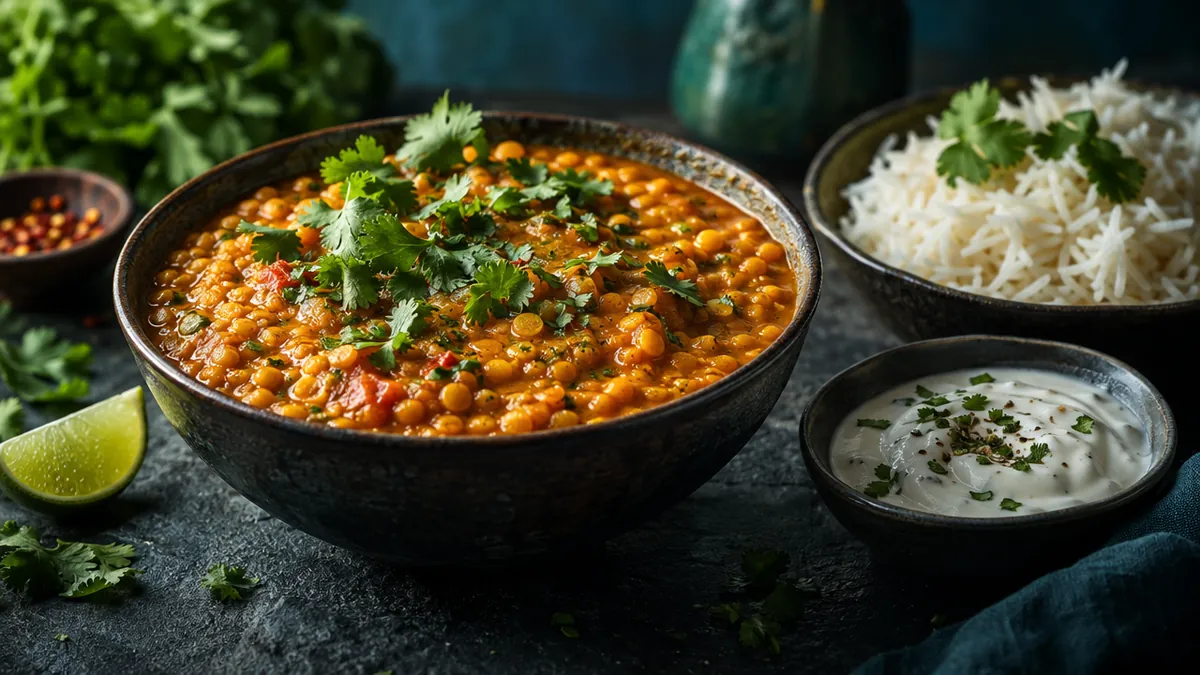
Lentil curry: plant protein in 35 minutes (recipe)
A cheap, one-pot lentil curry with rice, rich in fibre and plant protein: ingredients, steps and nutrition.
Nutrition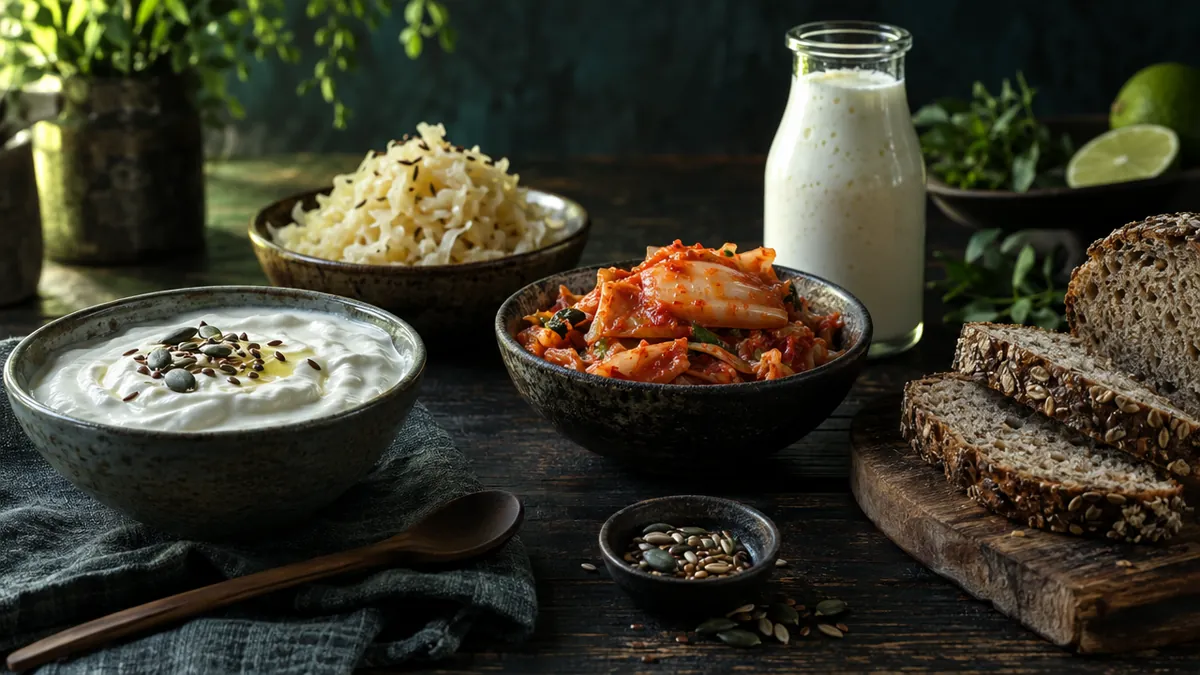
Gut flora and probiotics: what we know about the microbiome
The gut microbiome is one of the hottest health topics. What does research show, do you need probiotics, and what should you eat for your gut flora?
Vitamins and supplements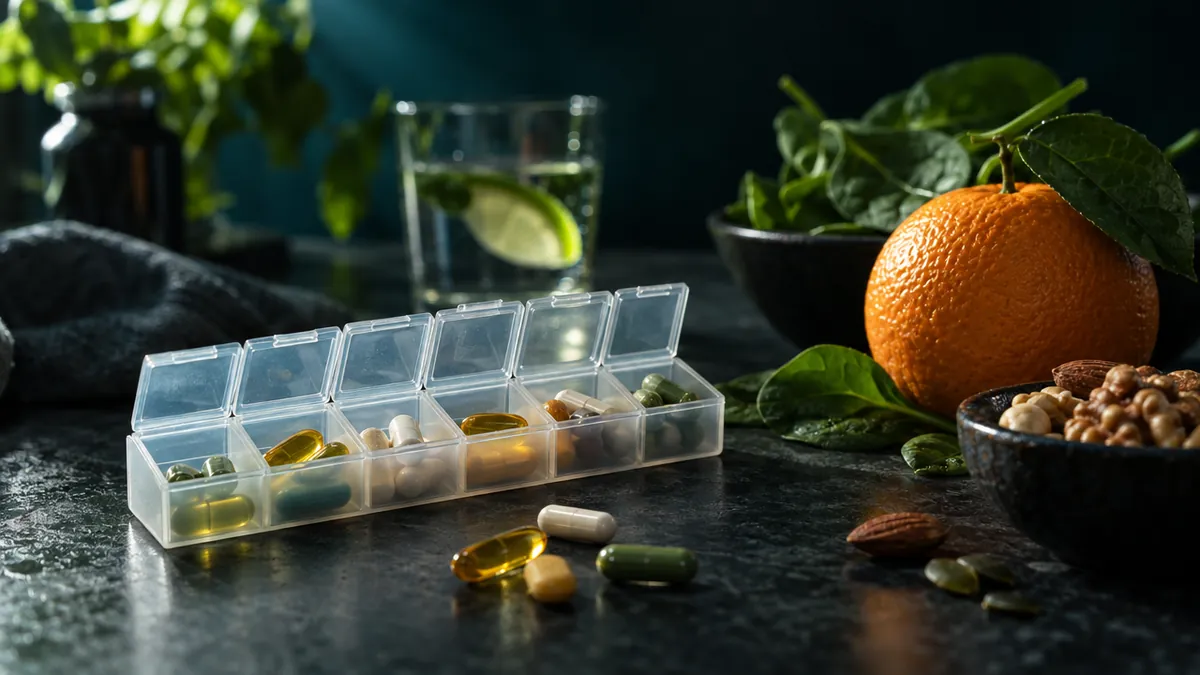
Multivitamins: do you need one, and who benefits?
Multivitamin products: what research shows about healthy adults, and when there is a real need for a supplement.
Biohacking
NMN and NAD+: anti-ageing wonder or marketing?
NMN and other NAD+ precursors are popular "rejuvenating" supplements. What does research in humans show, and are they worth the money?
Nutrition
Five a day: what it means, and does it really matter?
The "five a day" recommendation is backed by large meta-analyses. How big is a portion, and what is a useful upper limit?
Nutrition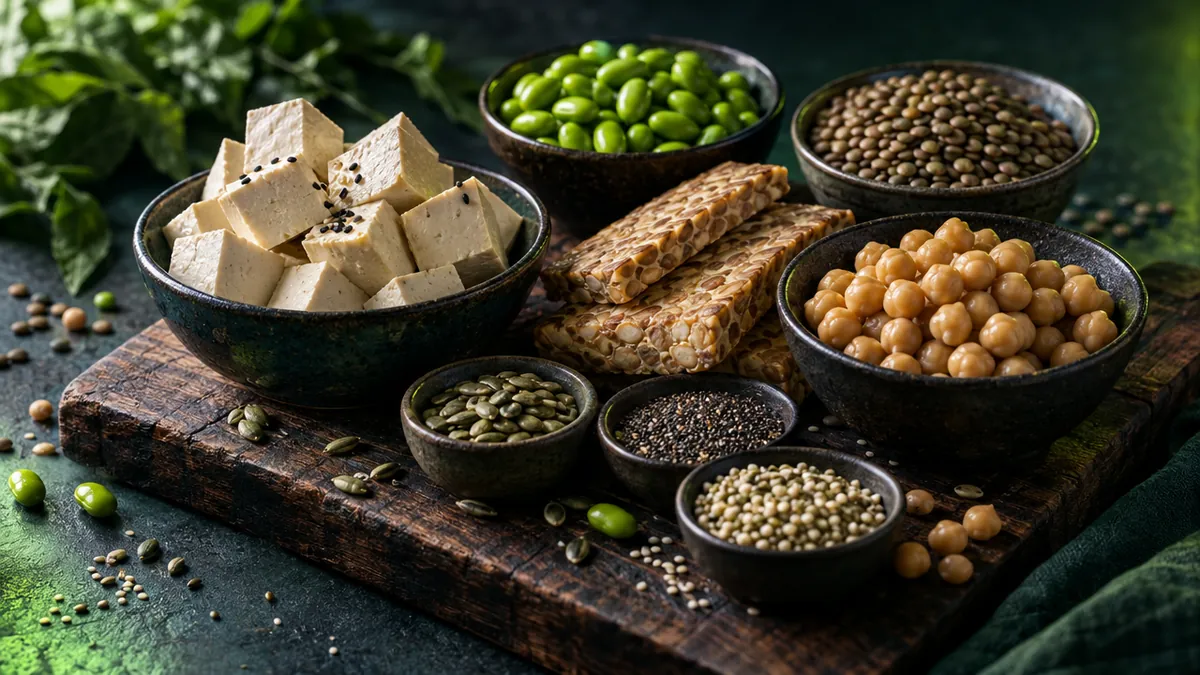
Plant protein sources: how to get enough protein without meat
Vegetarian and vegan protein sources: lentils, tofu, soybeans, seitan, pea protein. How much do you need, and what should you watch with amino acids?
Biohacking
Slowing ageing: 7 habits with real evidence behind them
Youth, long life, healthy ageing: which habits are backed by the strongest research, and which remain promises?
Nutrition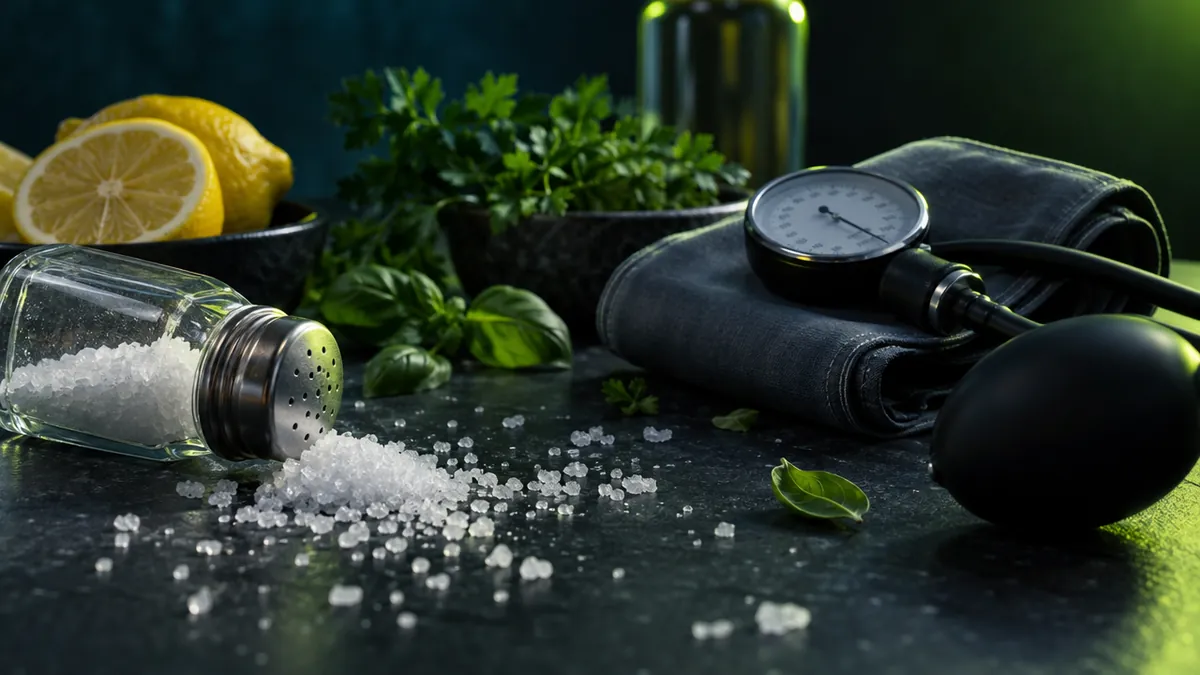
Salt and blood pressure: how much is too much, and how to cut down
The link between salt intake and blood pressure, the WHO recommendation, and simple ways to cut down on salt without making food bland.
Training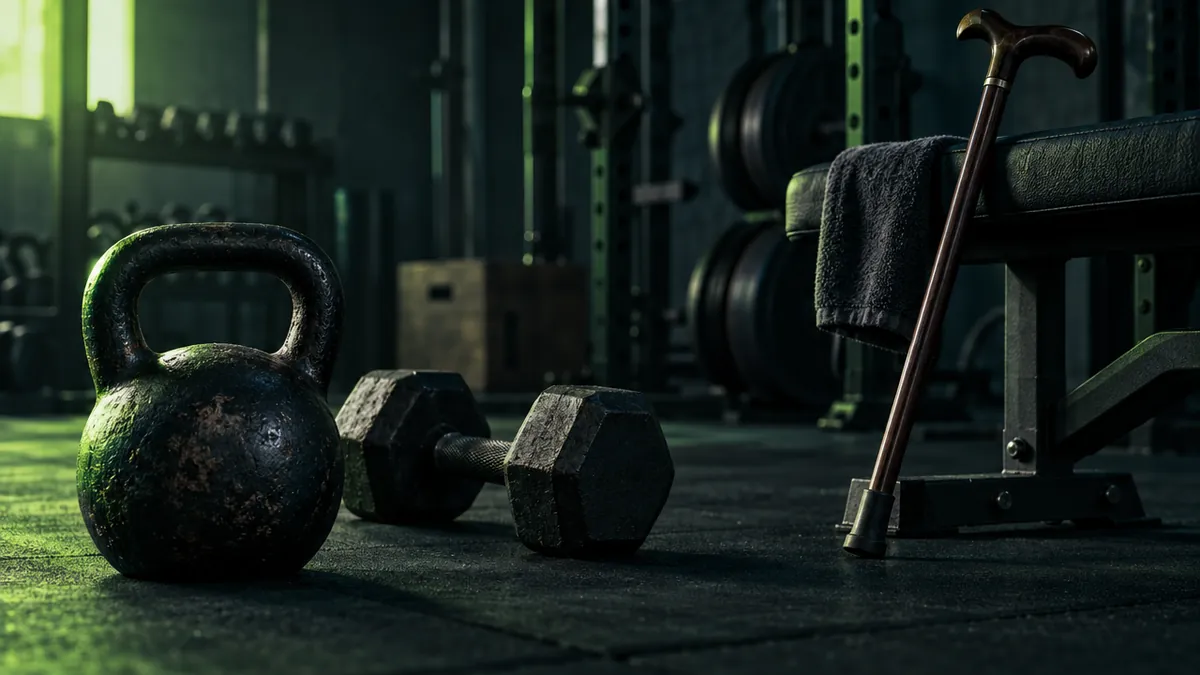
Muscle mass as you age: sarcopenia and how to prevent it
After 30, muscle mass and strength slowly decline. What is sarcopenia, and what can you do about it with strength training and protein?
Biohacking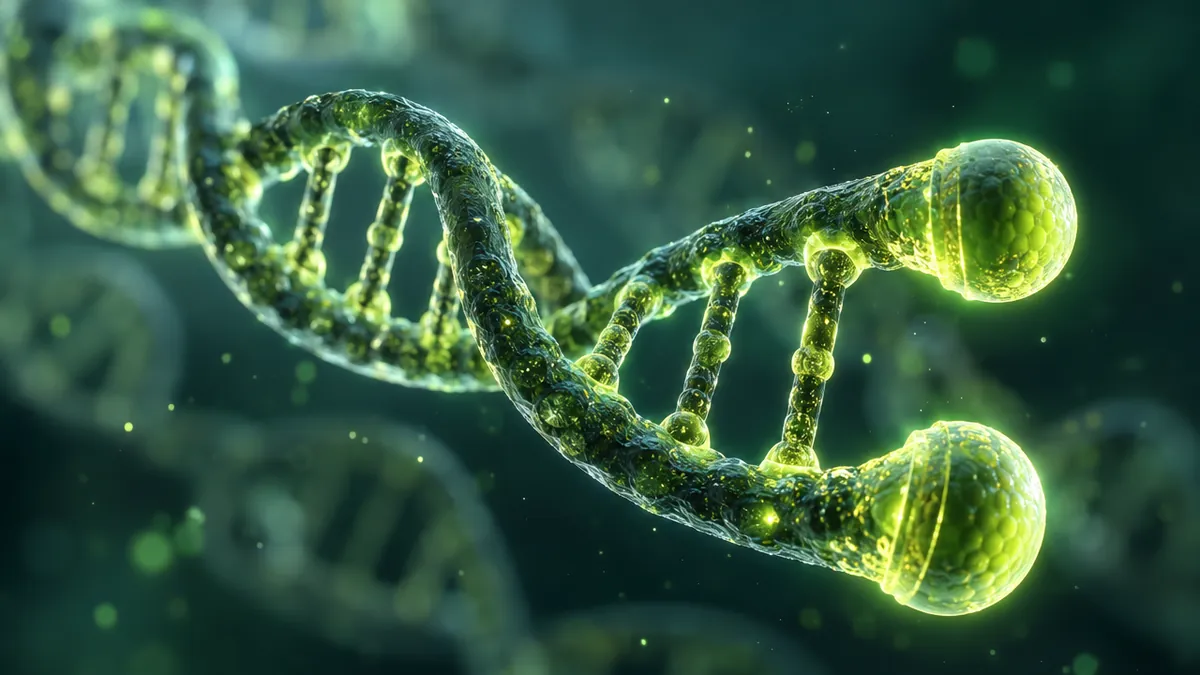
Telomeres and ageing: can "biological age" be measured?
Telomeres are the protective caps of chromosomes, and "ageing clocks" and biological age tests are in fashion. How reliable are they?
Nutrition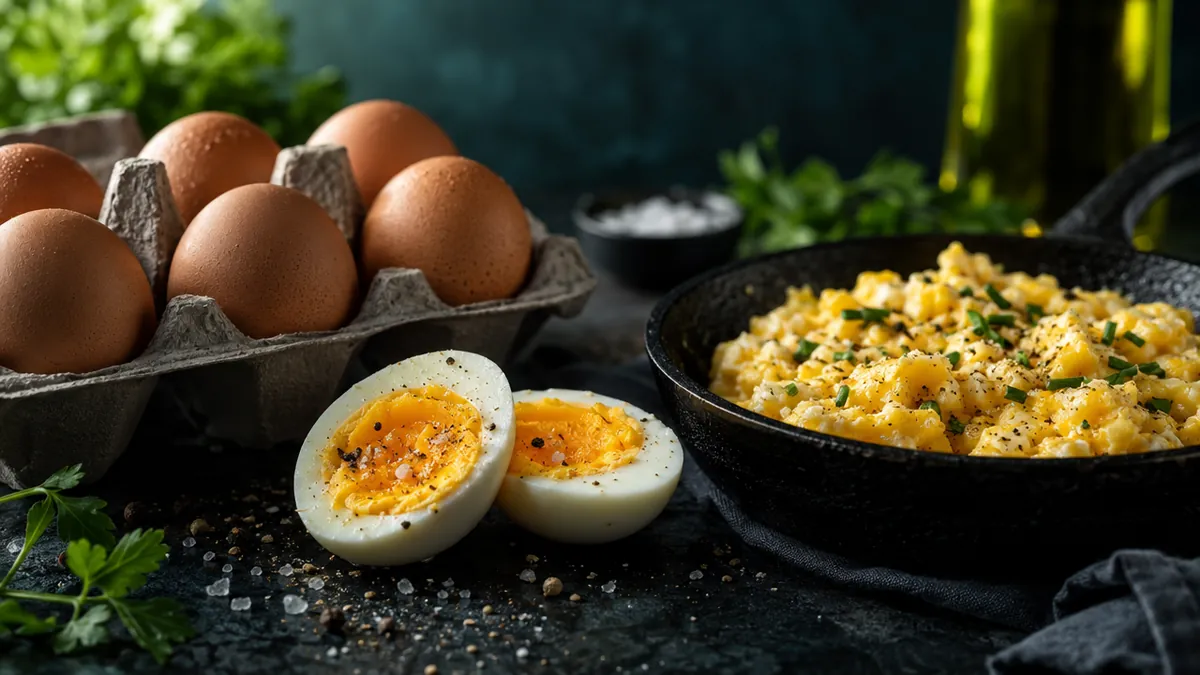
Eggs and cholesterol: how many eggs can you eat a week?
The egg's old bad reputation has changed: what does today's research show about eating eggs and cardiovascular risk?
Nutrition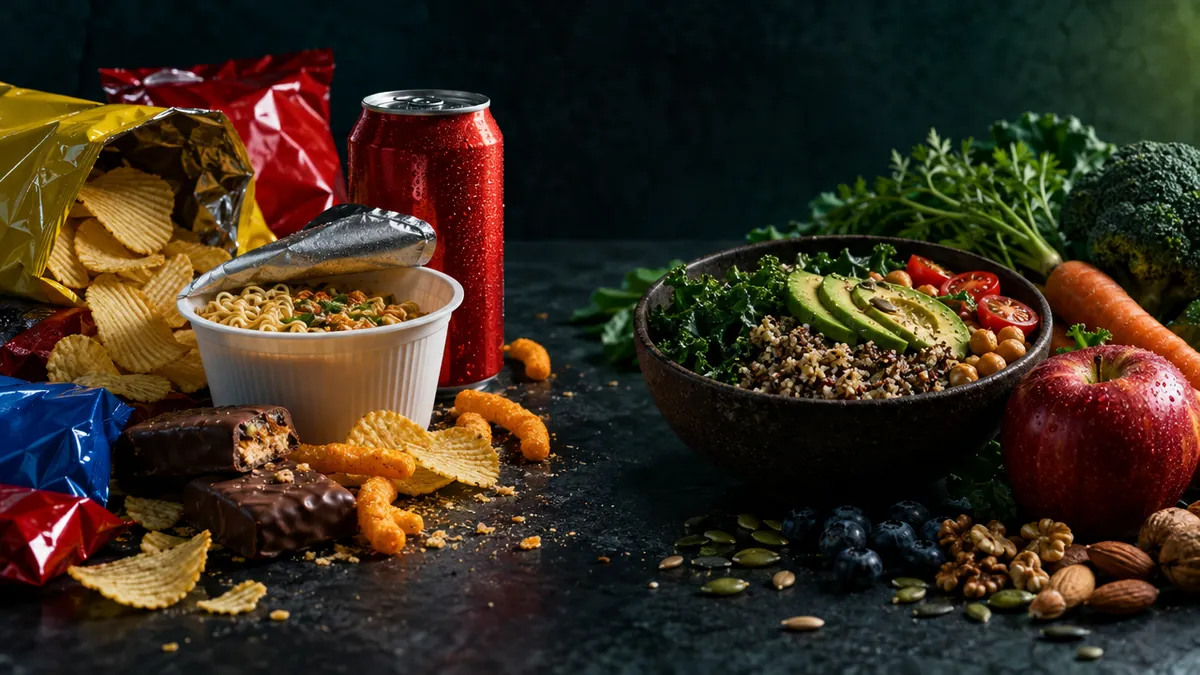
Ultra-processed foods: are they really harmful, and what does it mean day to day?
Ultra-processed foods under the NOVA classification and health: what research shows, and how to sensibly cut down on them.
Training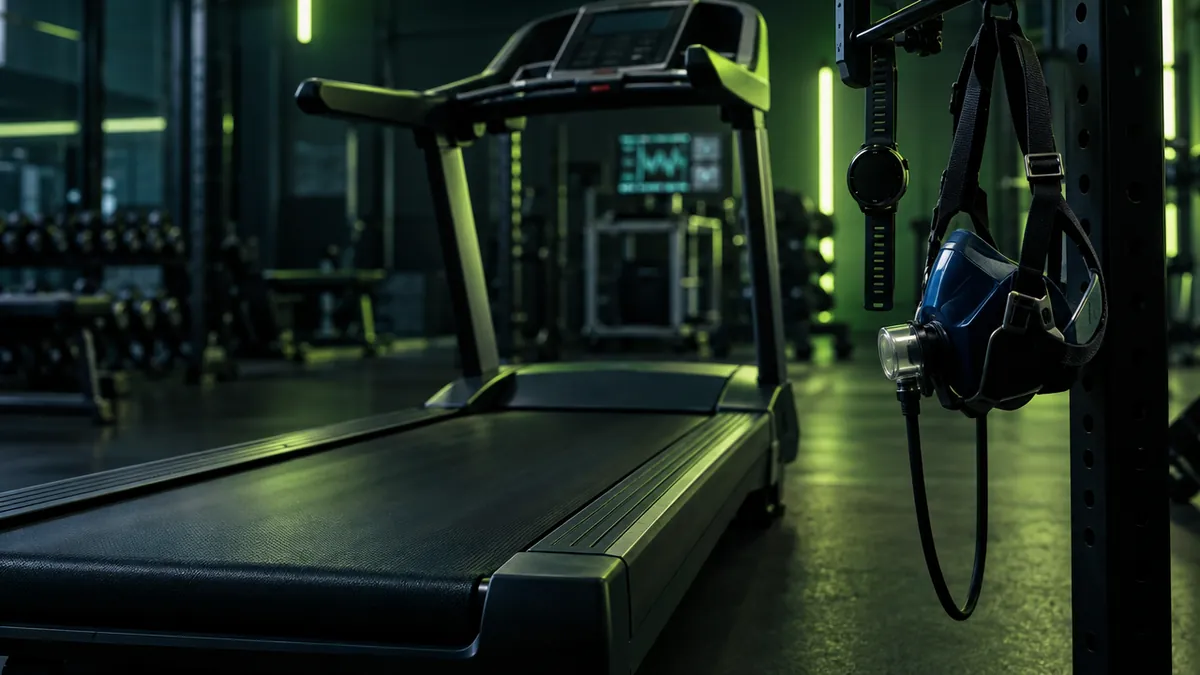
VO2 max: why it is one of the best markers of a long life
VO2 max measures your aerobic fitness. What it means, how to estimate it with a smartwatch, and how to improve it.
Nutrition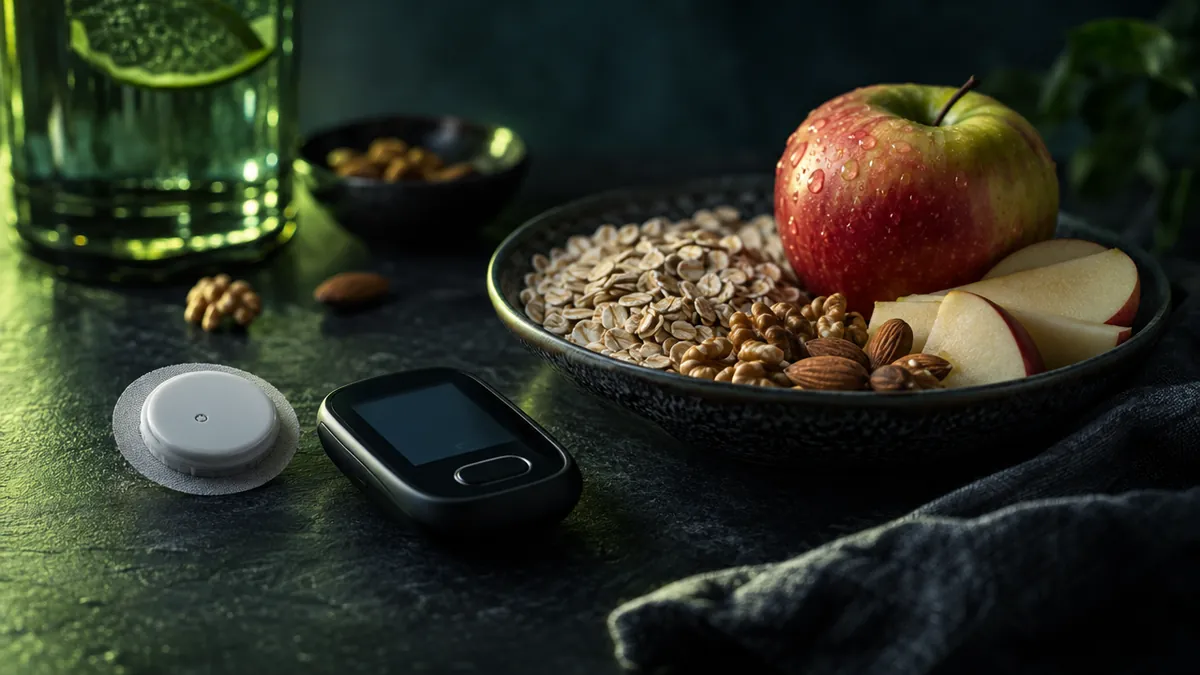
Blood sugar swings: should you care if you do not have diabetes?
Blood sugar spikes and the "energy crash" are popular topics. What does research show, do you need a CGM, and how to eat for steadier energy?
Biohacking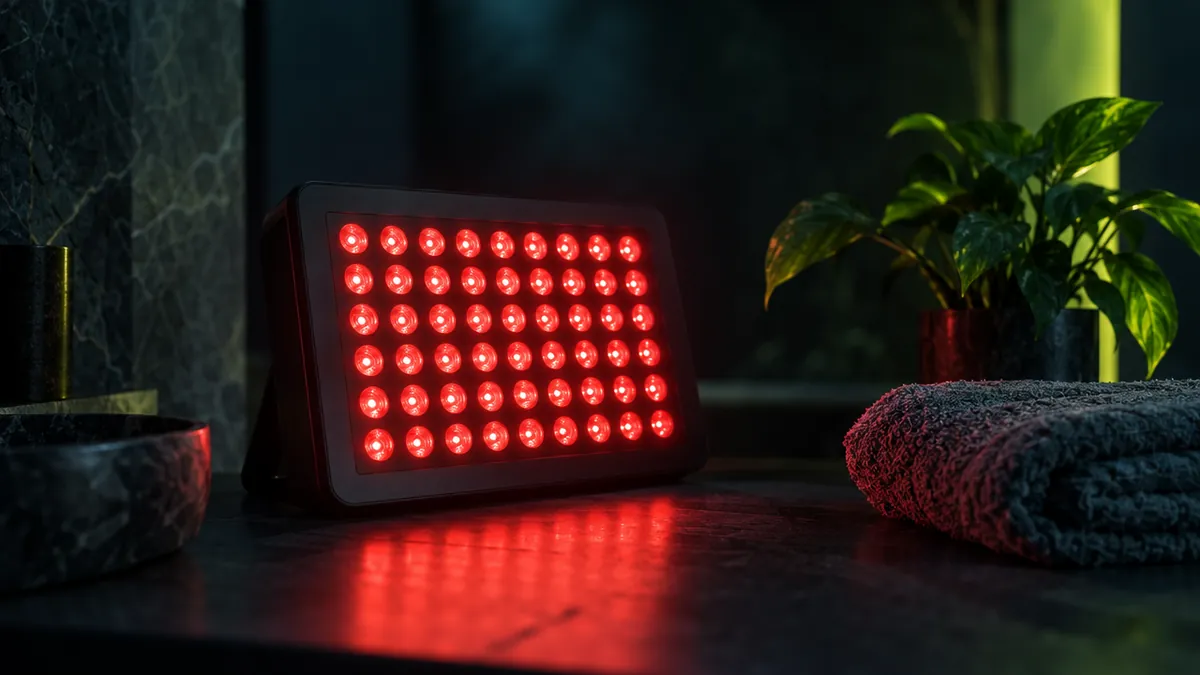
Red light therapy: what it can and cannot do
Red and near-infrared light (photobiomodulation) is a popular tool for skin care and recovery. What does research show, and what should you not expect?
Training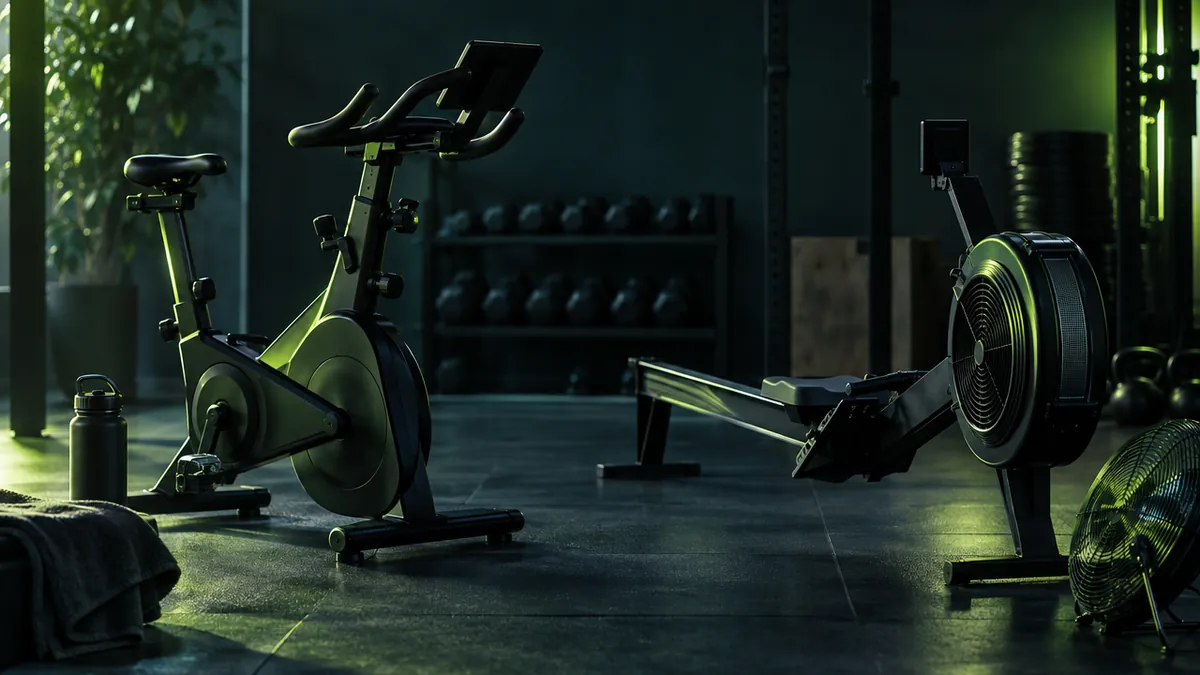
Zone 2 cardio: what it is, and do you need it?
Zone 2 is easy to moderate endurance training at a conversational pace. Why it is recommended, how to find your pace, and how much is enough.
Vitamins and supplements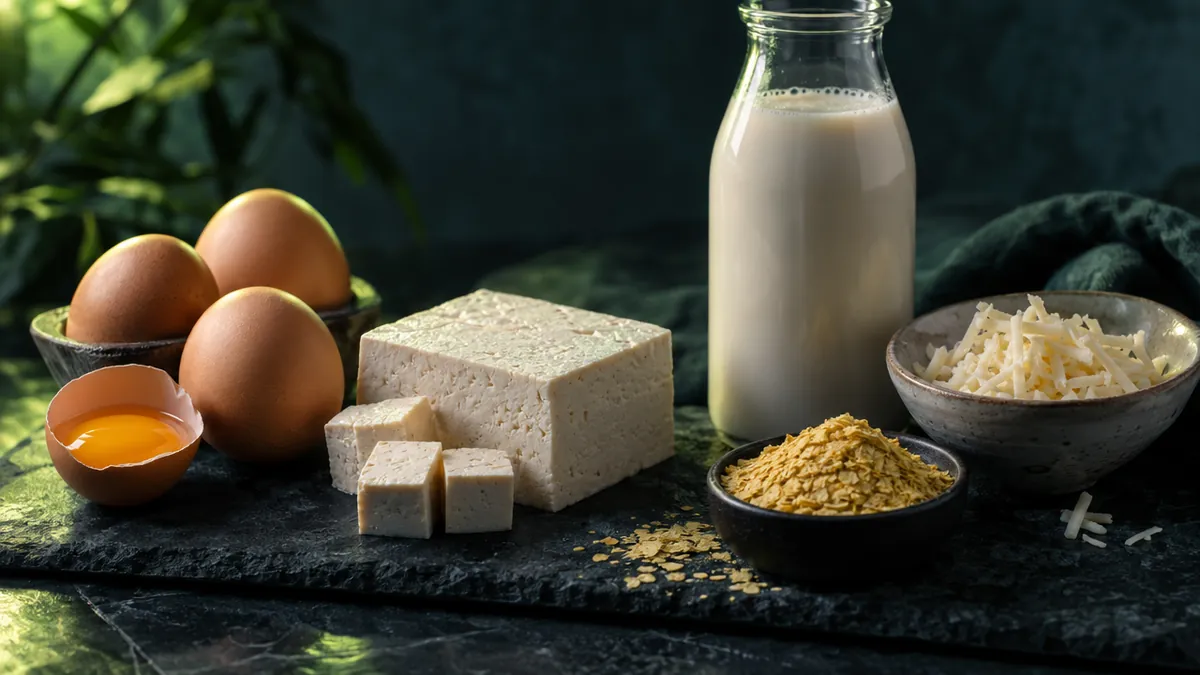
Vitamin B12 for vegetarians and vegans
Vitamin B12 is found almost only in animal foods. How much do you need, and when do you need a supplement?
Vitamins and supplements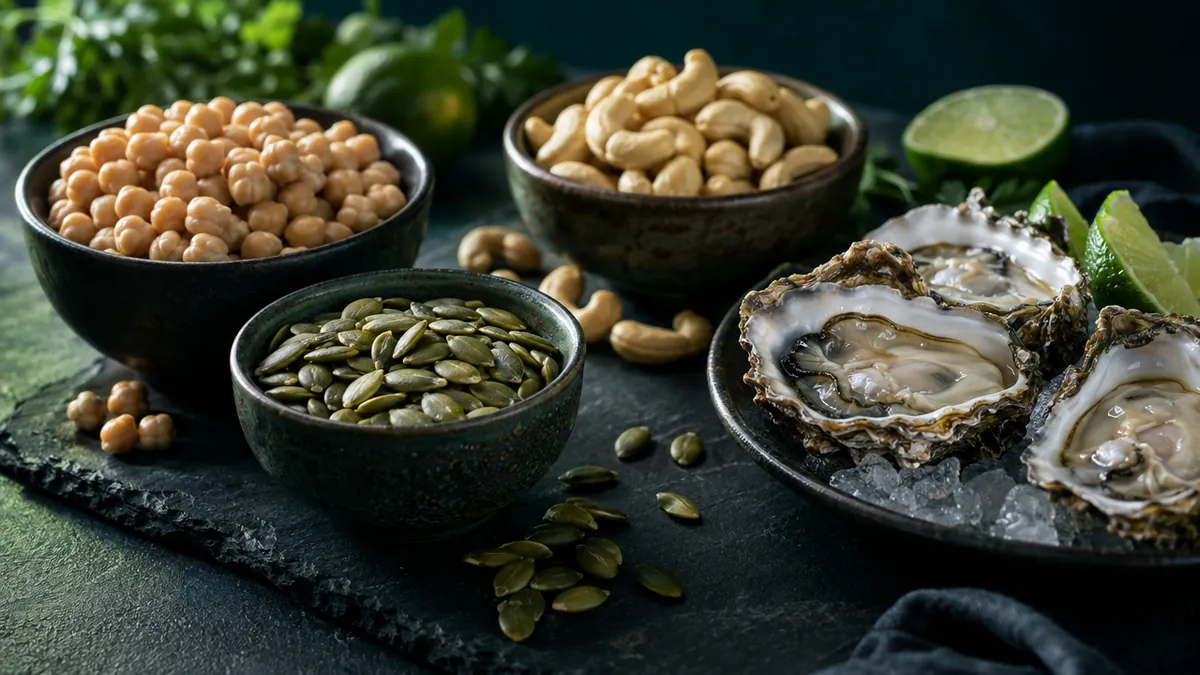
Zinc: what it does, how much you need, and when it can harm
Zinc matters for immune function and wound healing. What is the recommended intake, and what is the upper limit?
Vitamins and supplements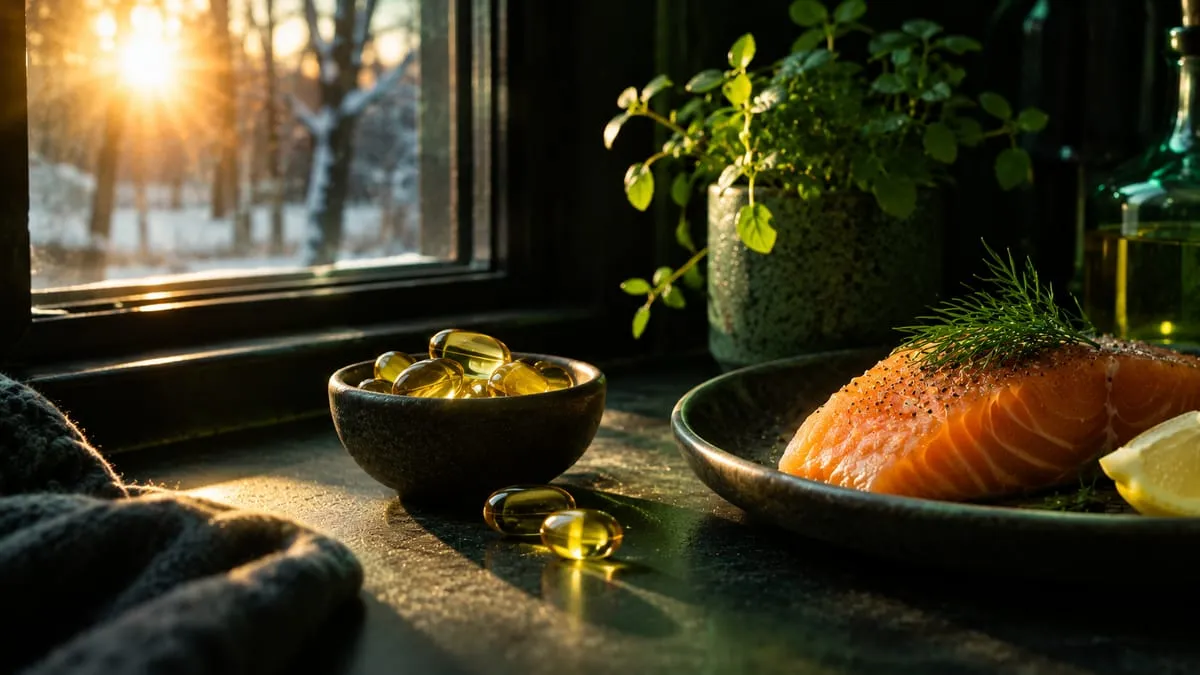
Vitamin D in winter: should you take it, and how much?
Why vitamin D runs low in winter in Central Europe, what the official recommendation says, and when to talk to a doctor.
Vitamins and supplements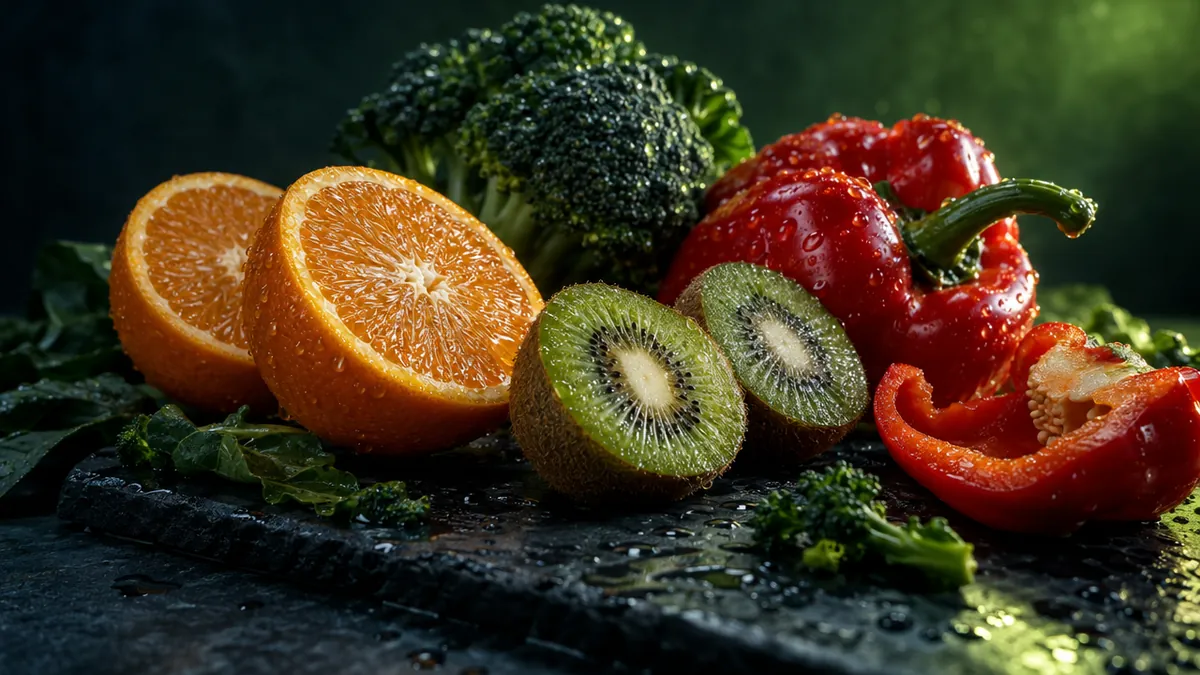
Vitamin C: do you need a supplement, and how much is enough?
How much vitamin C you need a day according to EFSA, and what a supplement can really do against colds.
Biohacking
Cold showers and sauna: what we know about their effects
Cold water immersion and sauna: when they help recovery, when they can hurt muscle building, and what to watch out for.
Biohacking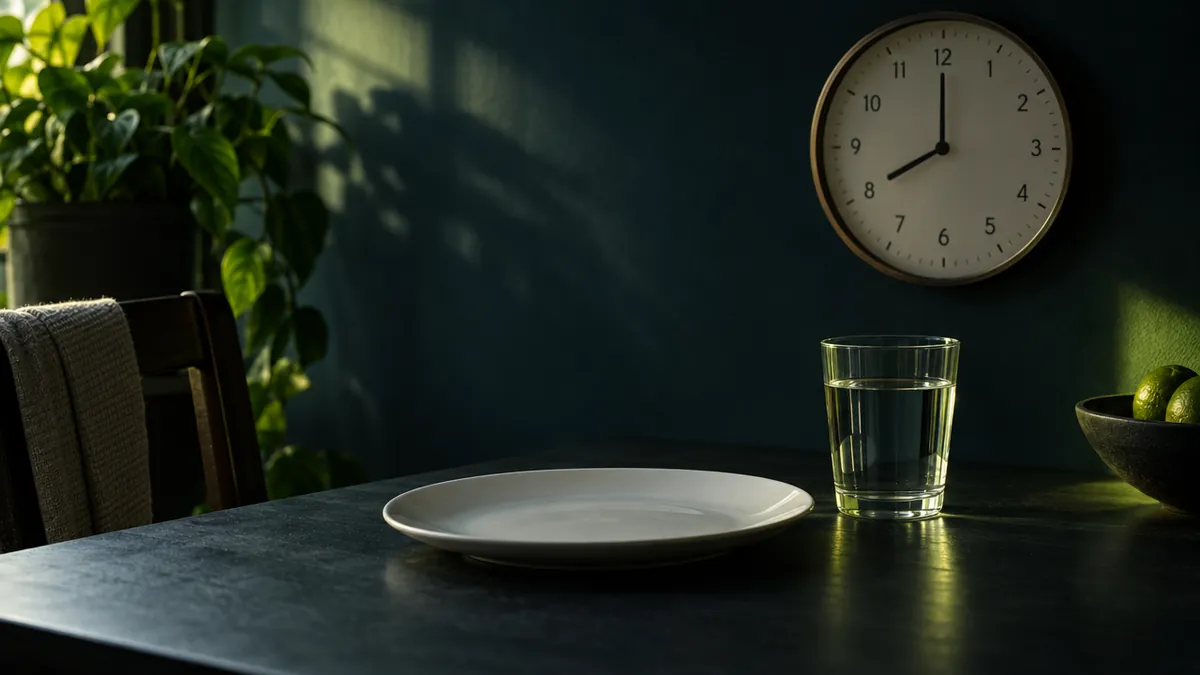
Intermittent fasting: does it work, and who is it for?
Intermittent fasting is a way of timing your meals. What research shows about weight loss and muscle, and who should avoid it.
Nutrition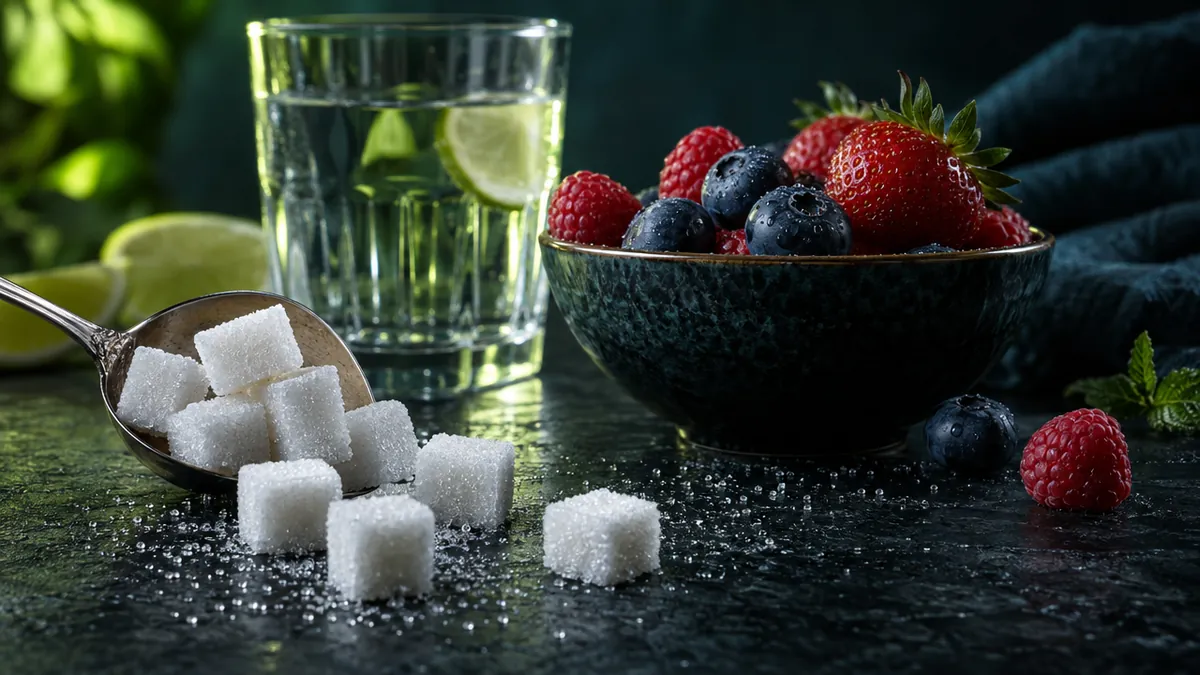
How much sugar is too much? Added sugar and sweeteners
According to the WHO, added sugar should be at most 10% of your daily energy. What does that mean in grams, and what about sweeteners?
Vitamins and supplements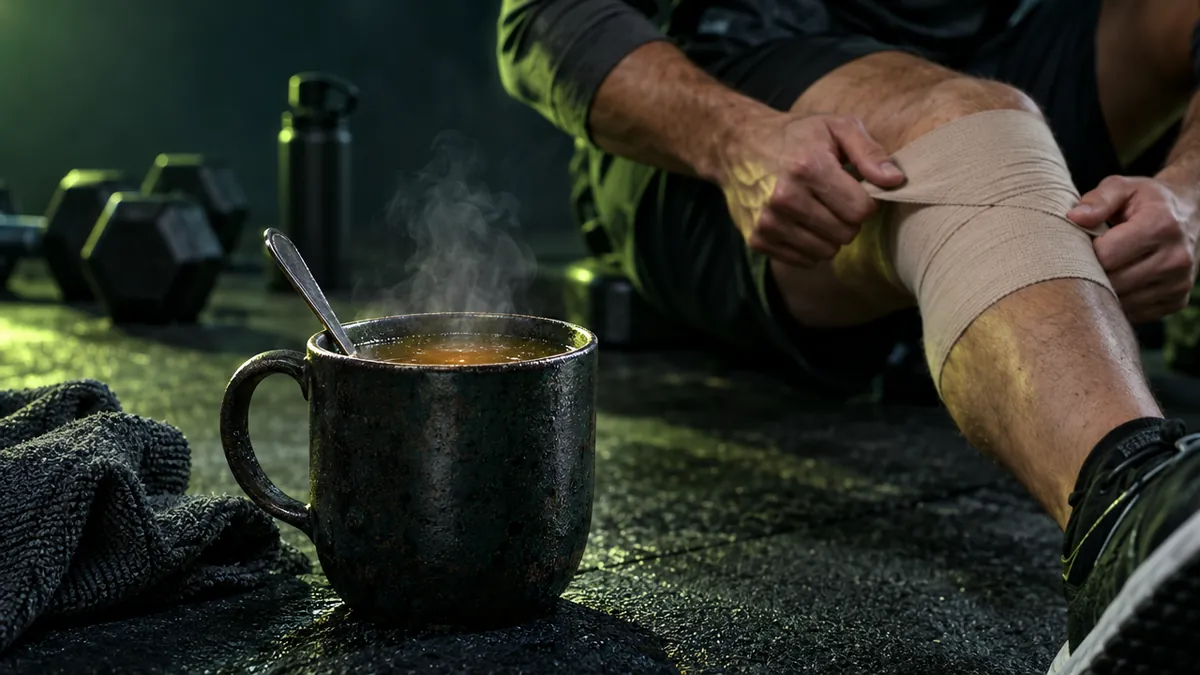
Collagen: does it help joints and tendons?
Collagen powder is popular, but what does research show? What is there evidence for, and what not?
Nutrition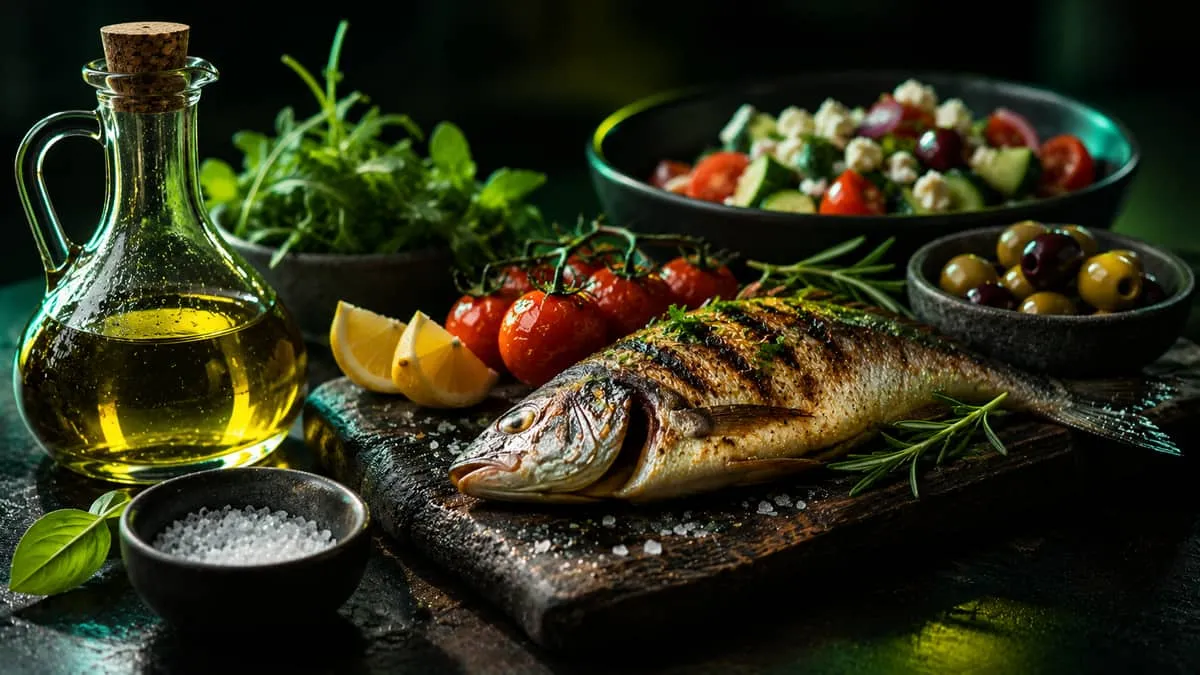
The Mediterranean diet: what it means in practice
Vegetables, legumes, fish, olive oil: the principles of the Mediterranean diet, a sample day, and how to bring it into everyday life simply.
Lifestyle
How much water should you drink a day?
EFSA's recommendation for total daily water intake, how much of it comes from drinks, and when you need more (training, heat).
Nutrition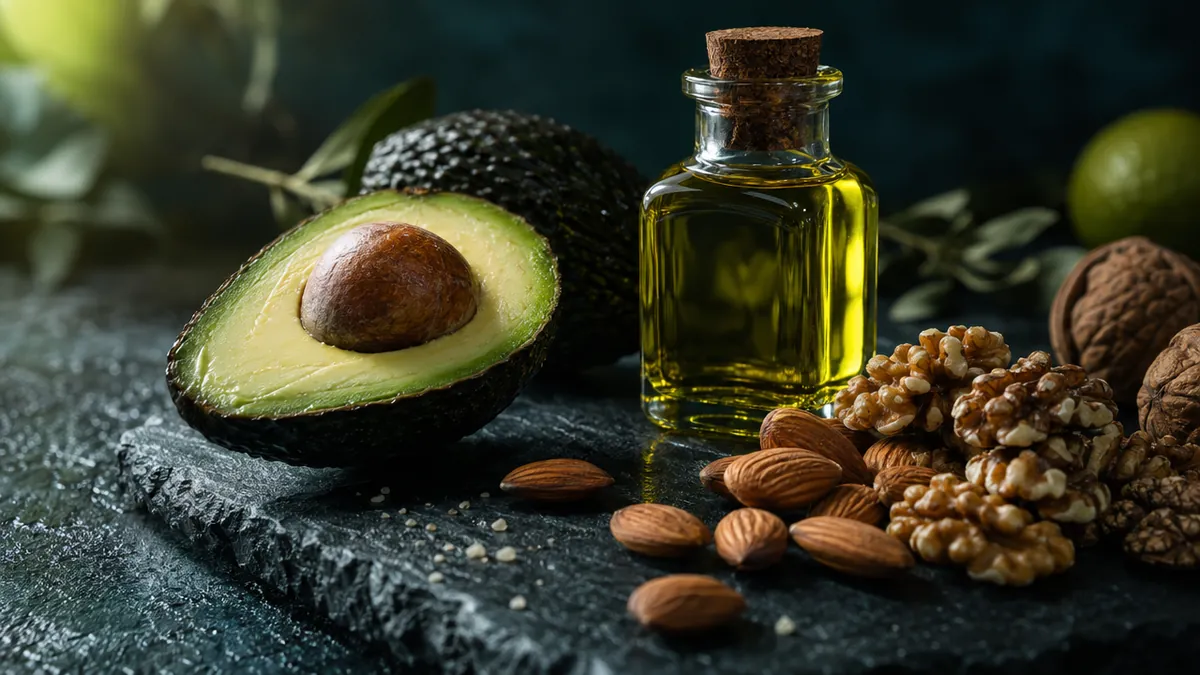
How much fat do you need a day? Healthy fat intake
According to EFSA, 20–35% of daily energy can come from fat. What are good sources of fat, and what does this mean in grams?
Lifestyle
10,000 steps a day: myth or useful goal?
10,000 steps is a number that came from marketing, but research shows that fewer steps already count for a lot. How many are useful?
Training
Stretching and mobility: do you need it, and when?
Stretching improves your range of motion, but it is no magic shield against injury. When and how is it worth doing?
Vitamins and supplements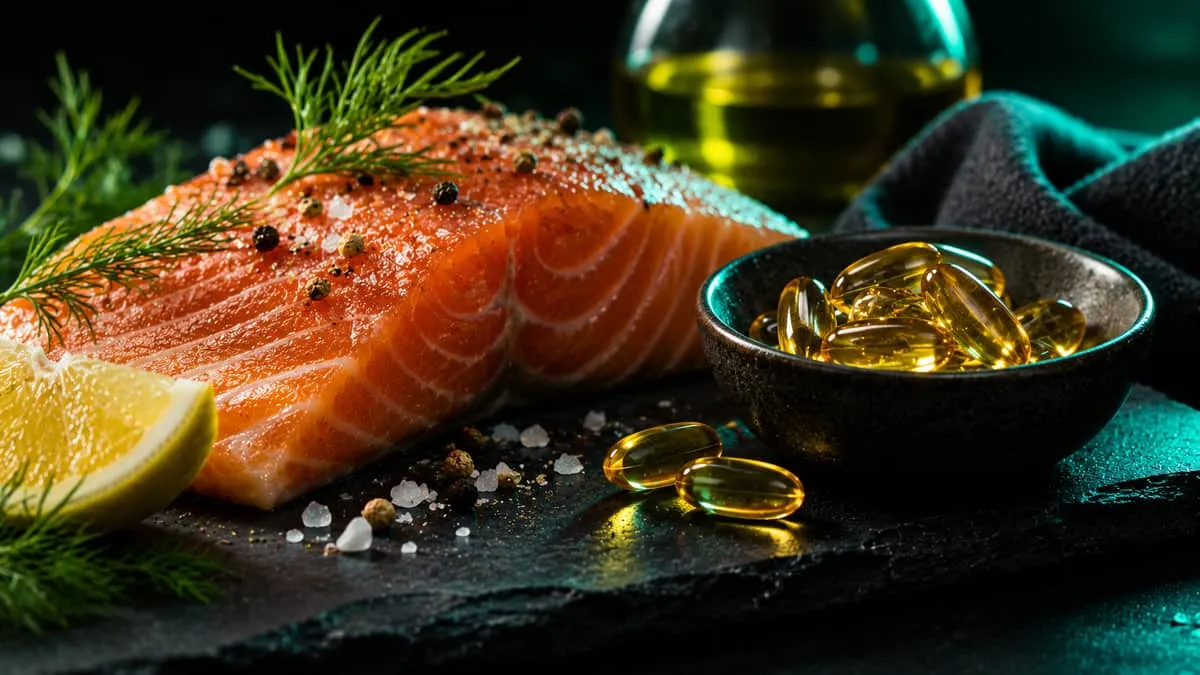
Omega-3: how much fish is enough?
According to EFSA, 250 mg of EPA+DHA a day is adequate for adults. How much fish does that take?
Biohacking
Morning light and your body clock: the cheapest biohack
Light is the strongest signal for your circadian rhythm. What we know about morning sunlight, and how to fit it into your day.
Nutrition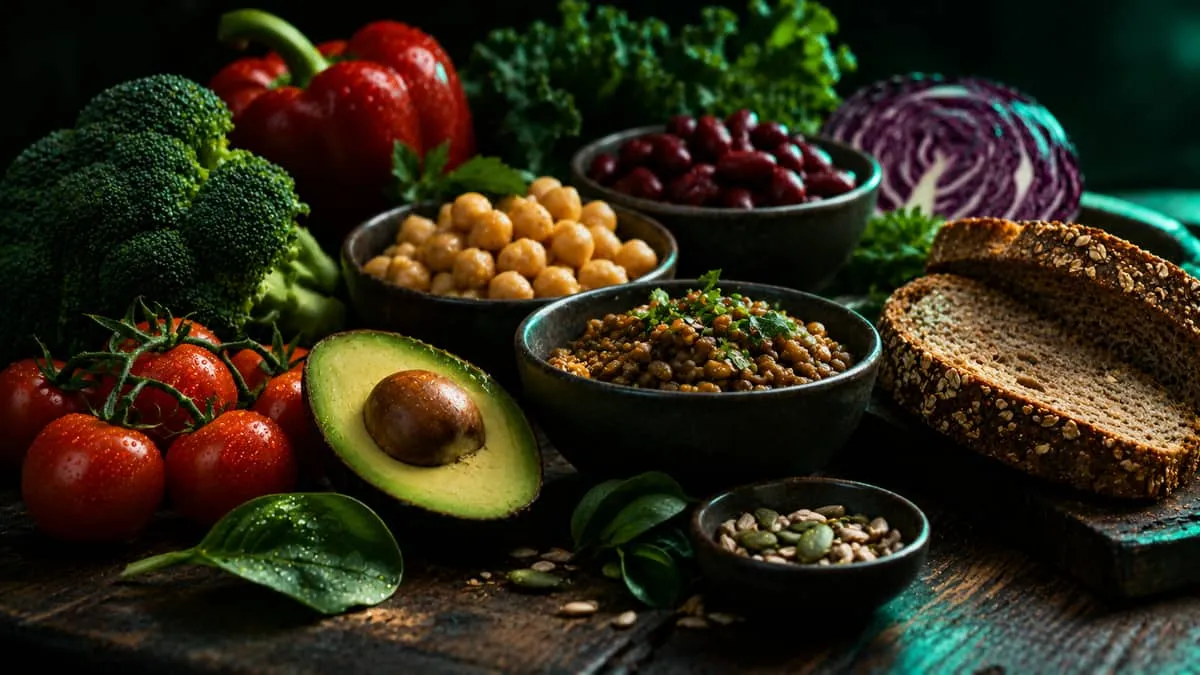
Fibre: why most diets fall short
EFSA considers 25 grams of fibre a day adequate. Where it can come from, how to increase it without bloating, and how to fit it into your meals.
Lifestyle
Desk jobs: why standing up every hour matters
According to the WHO, sitting less counts too. Simple habits for people who sit at a desk.
Vitamins and supplements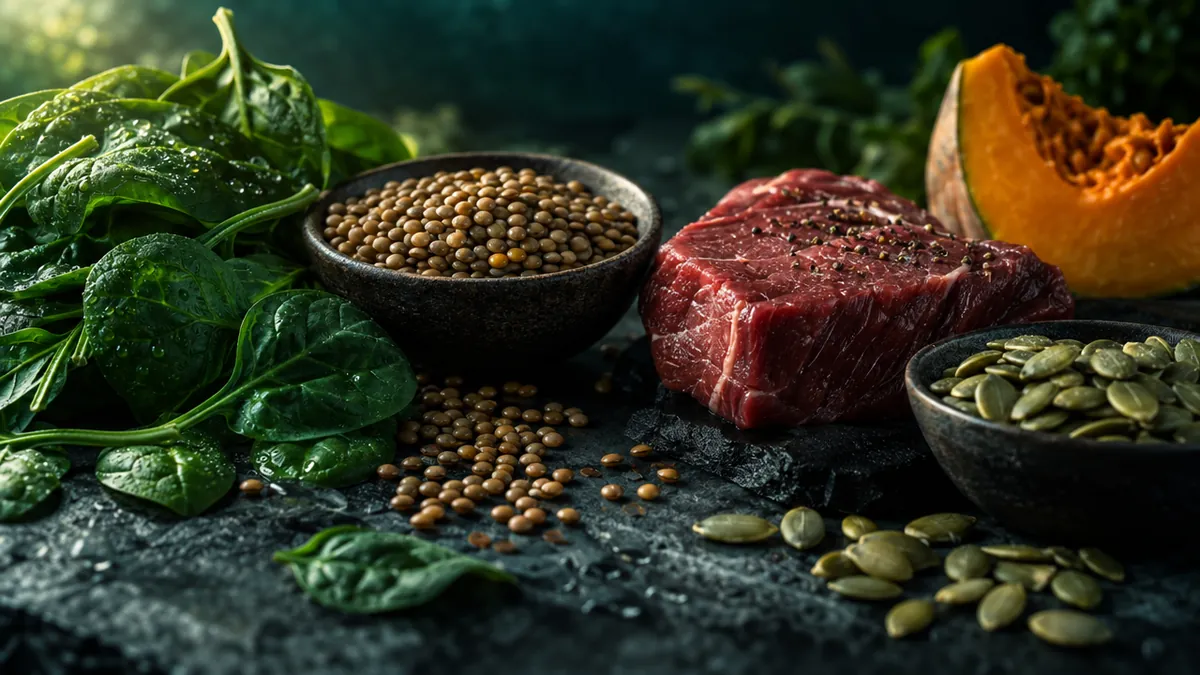
Iron and tiredness: when to suspect iron deficiency
Iron deficiency is common, especially in women and athletes. How much iron do you need, what are good sources, and when should you see a doctor?