

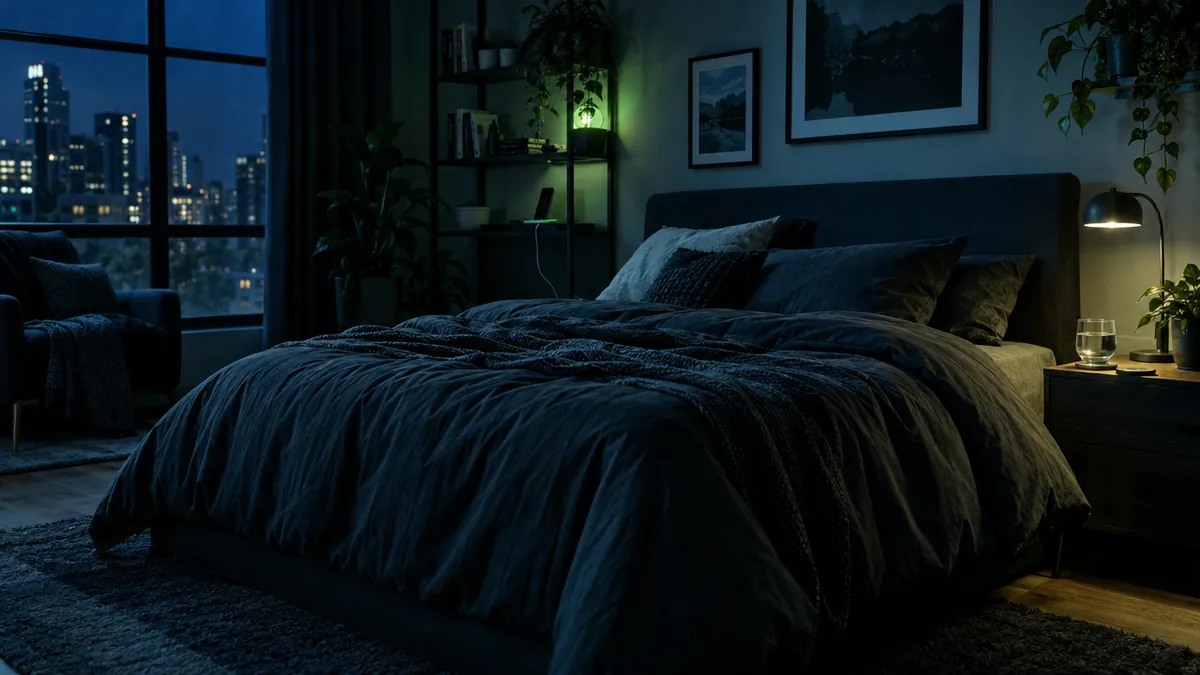
Sleep hygiene: 10 simple habits for better sleep
Sleep is the foundation of training, eating and mood, yet it is the thing we neglect most easily. The habits below are simple and cost nothing.
How much sleep is enough?
According to the joint statement of the American Academy of Sleep Medicine and the Sleep Research Society, adults need at least 7 hours of sleep regularly for optimal health. Individual needs differ, but sleeping under 6 hours for long periods is linked to worse performance, worse mood and health risks.
The 10 habits
- A fixed wake-up time, at weekends too (±1 hour).
- Morning light: go out into natural light for 10–20 minutes (body clock).
- No caffeine in the late afternoon: caffeine has a half-life of several hours (caffeine and sleep).
- A light evening meal, with no big meal or alcohol right before bed.
- A cool, dark, quiet bedroom (about 16–19 °C is a common suggestion).
- Less screen time and bright light before bed (blue light and screens).
- An evening routine: 20–30 minutes of something calming (reading, stretching, a shower).
- Training time: evening training does not hurt most people, but if it worsens your sleep, move it earlier.
- Bed is for sleep: do not work or scroll in bed.
- Do not check the clock at night: it raises stress.
When to get help
Sleep and training
With too little sleep, strength, recovery and appetite control all suffer. More on the sleep you need for building muscle: Sleep and muscle growth.
This article is general information, not medical advice.
Sources
- Watson NF et al. (2015): Recommended amount of sleep for a healthy adult: a joint consensus statement of the American Academy of Sleep Medicine and Sleep Research Society. Sleep 38(6):843–844
- Hirshkowitz M et al. (2015): National Sleep Foundation's updated sleep duration recommendations. Sleep Health 1(4):233–243
Updated: November 2026
Read on
Sleep and muscle growth: why the night matters
How much sleep you need, what happens to your muscles while you sleep, and what you can do to sleep better alongside training.
Sleep and recovery
Caffeine and sleep: when should you have your last coffee?
How much caffeine is safe according to EFSA, and why it is worth stopping six hours before bed.
Sleep and recovery
Screens in the evening: does blue light matter?
What research says about using screens before bed, and what is worth changing.
Napra: training, meals and weight in one place
Follow your goals with the Napra app: a training log that knows your machines and a meal log.