

Energy and stress
More energy, less tension: movement, breathing, light and habits.
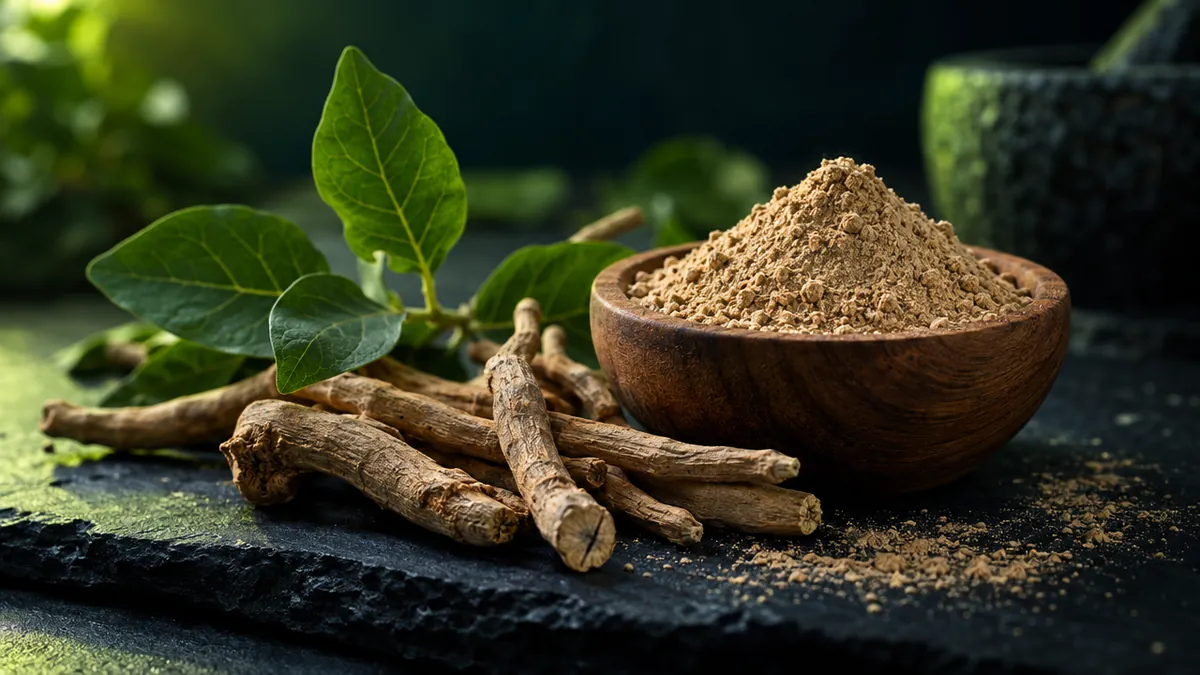
Ashwagandha: stress and testosterone? What the research shows
Ashwagandha (Indian ginseng) is a popular supplement for stress relief and strength. What do we know about its effects and its safety?
Biohacking
Biohacking for beginners: 7 simple steps that actually work
Biohacking is not about expensive gadgets: these are the evidence-based steps with the biggest effect for the smallest investment.
Lifestyle
Digital detox: do you need one, and how to cut screen time
How social media and phone use affect mood and sleep: what research shows, and how to set realistic limits.
Biohacking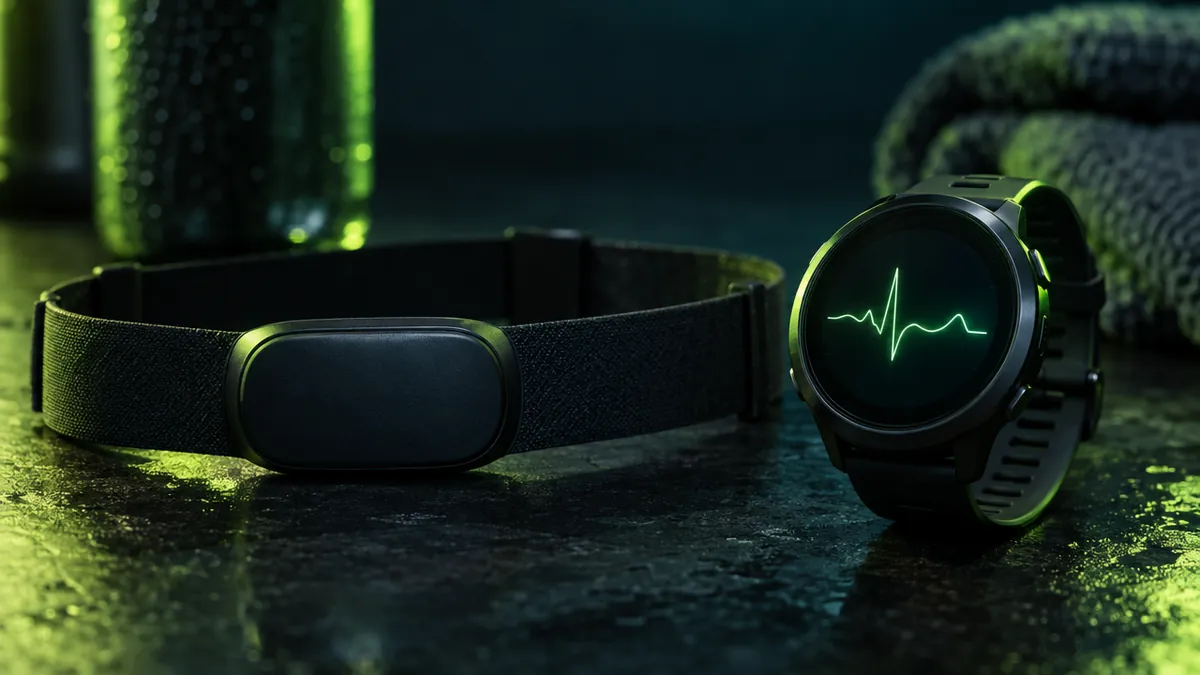
HRV: what heart rate variability shows, and how to use it
Almost every smartwatch shows HRV (heart rate variability). What does it mean, how accurate is it, and how can you use it wisely for training?
Biohacking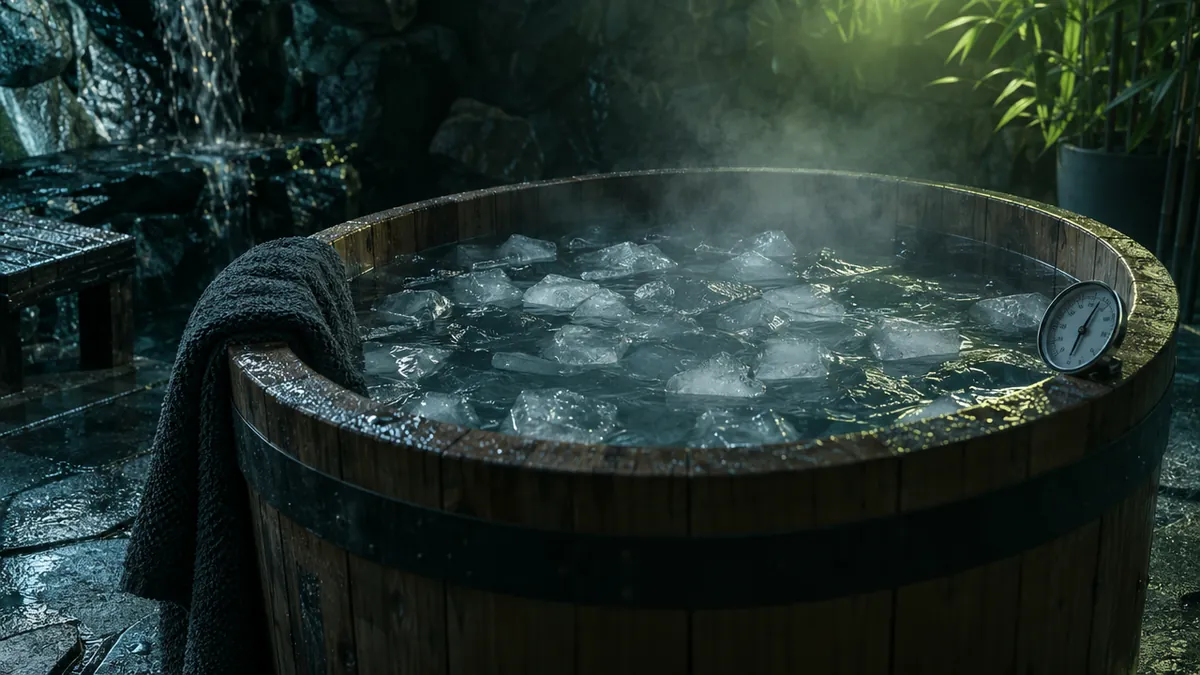
Cold plunge: what cold water does, and how to start safely
Cold water immersion (cold plunge): what research shows about mood, recovery and muscle building, and when not to do it.
Nutrition
Coffee and health: how many cups are good?
Coffee and longevity, the heart, sleep and training: what research shows, and how much coffee counts as moderate.
Lifestyle
Breathing exercises for stress: 4 methods you can try in 5 minutes
Slow belly breathing, box breathing and longer exhales: what research shows about reducing stress, and how to do it.
Lifestyle
Meditation and mindfulness: what research shows, and how to start
Mindfulness meditation for stress and anxiety: a moderate but real effect. How to start with 5–10 minutes a day, and what to expect.
Nutrition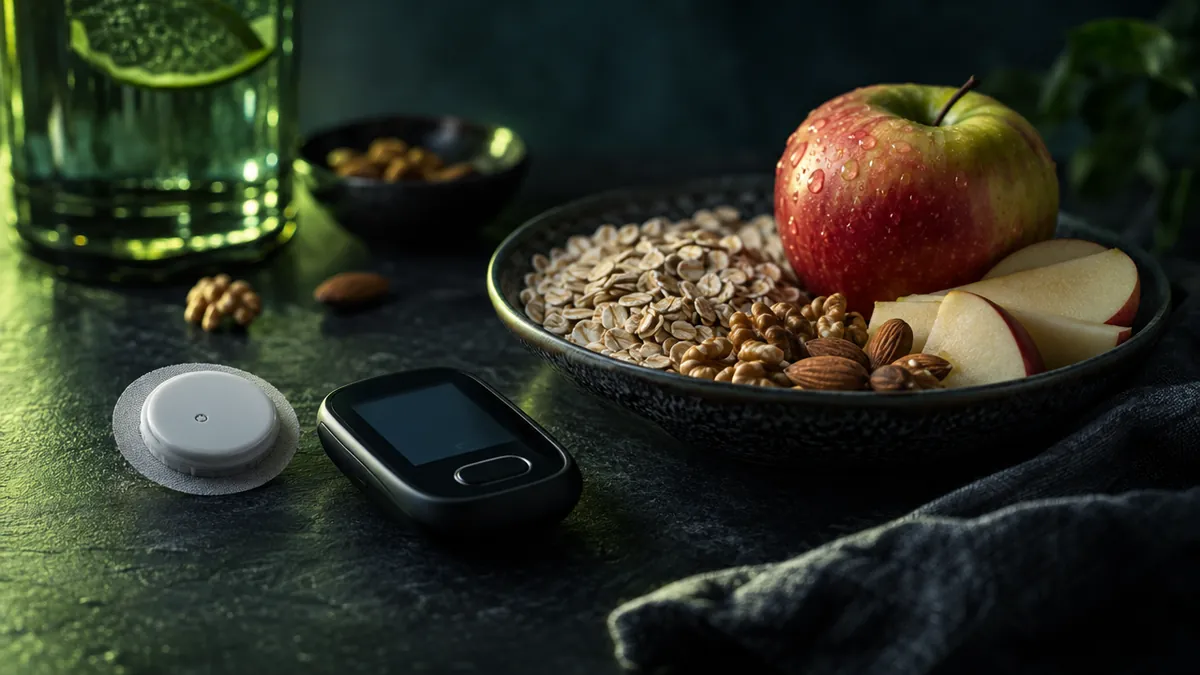
Blood sugar swings: should you care if you do not have diabetes?
Blood sugar spikes and the "energy crash" are popular topics. What does research show, do you need a CGM, and how to eat for steadier energy?
Sleep and recovery
Sleep hygiene: 10 simple habits for better sleep
How much should you sleep, and how can you improve sleep quality? Practical habits backed by research.
Vitamins and supplements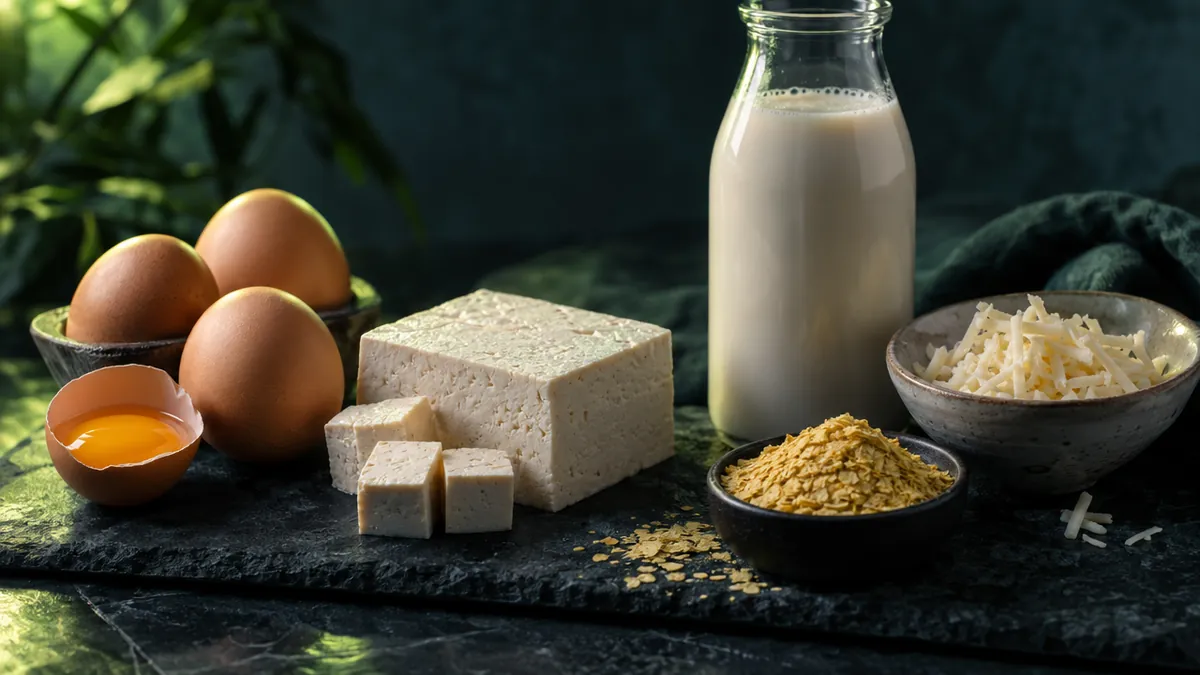
Vitamin B12 for vegetarians and vegans
Vitamin B12 is found almost only in animal foods. How much do you need, and when do you need a supplement?
Vitamins and supplements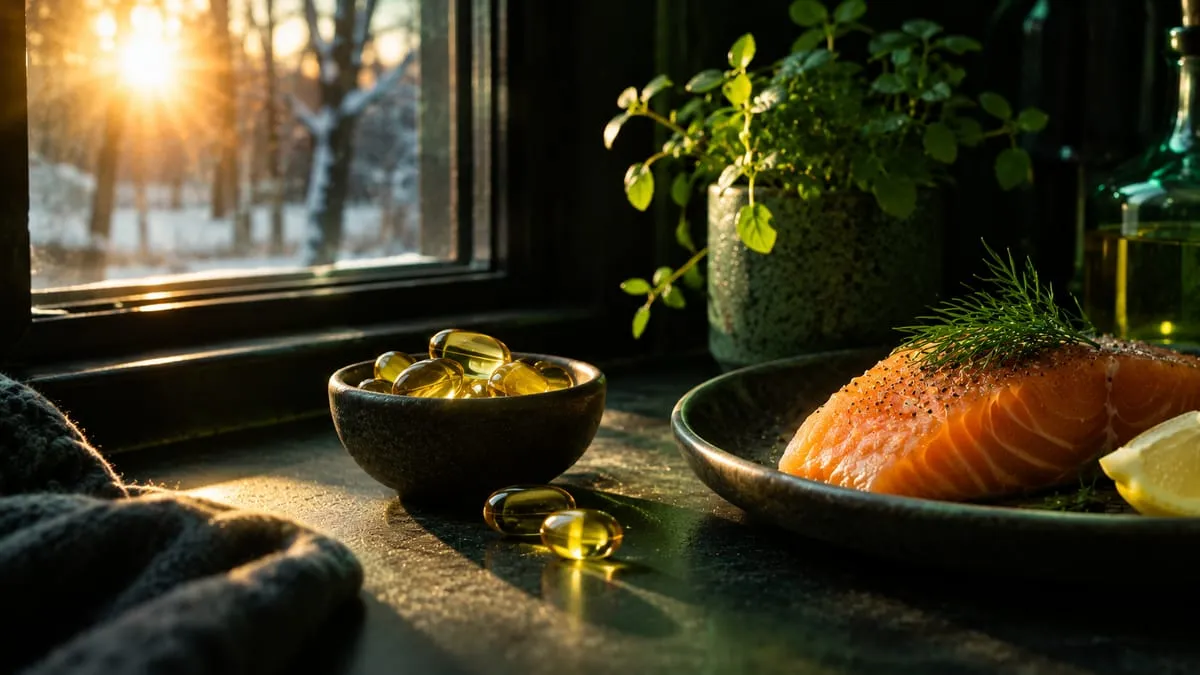
Vitamin D in winter: should you take it, and how much?
Why vitamin D runs low in winter in Central Europe, what the official recommendation says, and when to talk to a doctor.
Sleep and recovery
Afternoon naps: when they help, and when they hurt
A short nap can improve alertness and performance, but with poor timing it can disturb your night's sleep.
Lifestyle
Training alongside work: how to fit it into little time
Short on time? Short, planned workouts can still bring real gains in strength and muscle. A practical plan for busy people.
Biohacking
Cold showers and sauna: what we know about their effects
Cold water immersion and sauna: when they help recovery, when they can hurt muscle building, and what to watch out for.
Sleep and recovery
Caffeine and sleep: when should you have your last coffee?
How much caffeine is safe according to EFSA, and why it is worth stopping six hours before bed.
Vitamins and supplements
Magnesium: do you need a supplement?
How much magnesium is enough a day, where to get it from food, and when to talk to a doctor about a supplement.
Biohacking
Morning light and your body clock: the cheapest biohack
Light is the strongest signal for your circadian rhythm. What we know about morning sunlight, and how to fit it into your day.
Lifestyle
Stress and exercise: what can training do for tension?
How regular exercise relates to stress, mood and sleep, and how to use it as an everyday tool.
Lifestyle
Building habits: how training becomes routine
How long does it take to form a habit, and how can you help training and healthy eating stick?
Lifestyle
Desk jobs: why standing up every hour matters
According to the WHO, sitting less counts too. Simple habits for people who sit at a desk.
Vitamins and supplements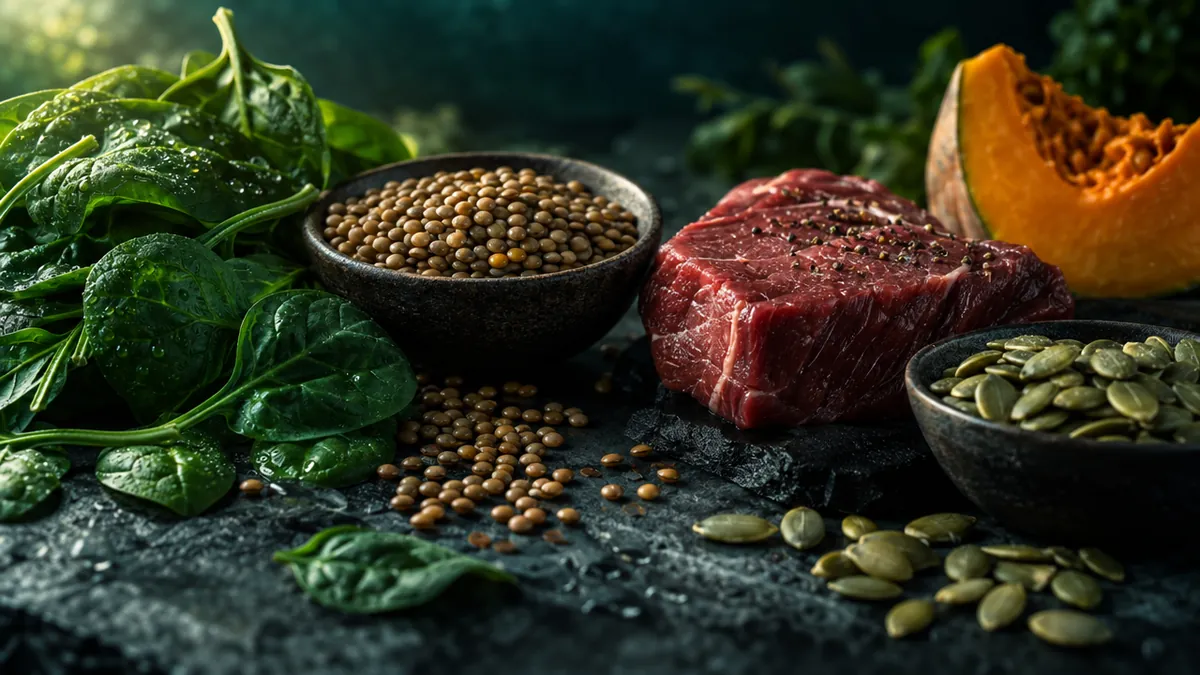
Iron and tiredness: when to suspect iron deficiency
Iron deficiency is common, especially in women and athletes. How much iron do you need, what are good sources, and when should you see a doctor?