

Gut flora and probiotics: what we know about the microbiome
The gut microbiome is the community of bacteria, fungi and other microorganisms living in the gut. Recent research links it to digestion, the immune system and metabolism, but many of these links are not yet fully understood.
What do we know for sure?
- Diet affects the make-up of your gut bacteria.
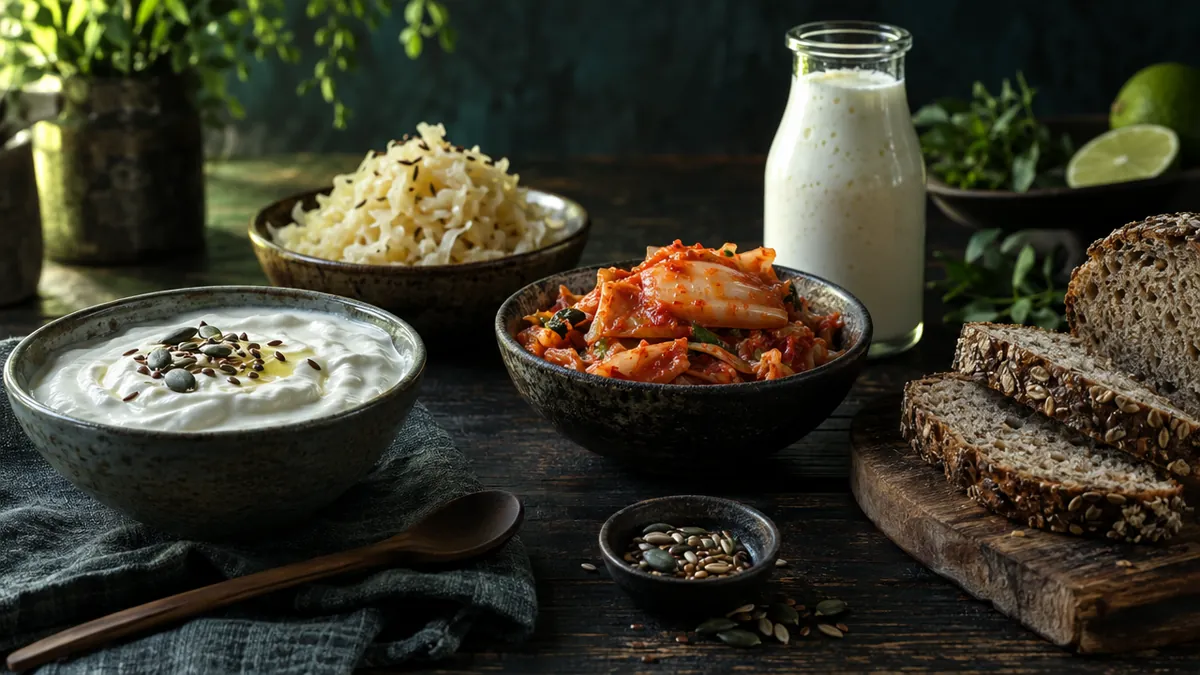
- In a Stanford study, a diet rich in fermented foods (yoghurt, kefir, sauerkraut, kimchi) increased microbiome diversity over 10 weeks and lowered several markers of inflammation.
- Fibre is the main food of your gut bacteria, which turn it into short-chain fatty acids.
Do you need probiotics?
Probiotics are live microorganisms that can bring a health benefit in the right amounts, but the effect depends on the strain. According to a meta-analysis, they can lower the risk of antibiotic-related diarrhoea. For general “gut-boosting” in healthy people, however, the evidence is weak. In one study, people’s guts “accepted” the probiotic differently.
What should you eat?
- A varied plant-based diet: 30 different plant foods a week is a good goal (vegetables, fruit, legumes, seeds, whole grains).
- Fibre: fibre and digestion.
- Fermented foods: plain yoghurt, kefir, sauerkraut.
- Fewer ultra-processed foods: see ultra-processed foods.
The Mediterranean way of eating is a good model for a gut-friendly diet: the Mediterranean diet.
This article is general information, not medical or dietary advice.
Sources
- Hill C et al. (2014): The International Scientific Association for Probiotics and Prebiotics consensus statement on the scope and appropriate use of the term probiotic. Nat Rev Gastroenterol Hepatol 11:506–514
- Zmora N et al. (2018): Personalized gut mucosal colonization resistance to empiric probiotics is associated with unique host and microbiome features. Cell 174(6):1388–1405
- Wastyk HC et al. (2021): Gut-microbiota-targeted diets modulate human immune status. Cell 184(16):4137–4153
- Hempel S et al. (2012): Probiotics for the prevention and treatment of antibiotic-associated diarrhea: a systematic review and meta-analysis. JAMA 307(18):1959–1969
Updated: November 2026
Read on
Fibre: why most diets fall short
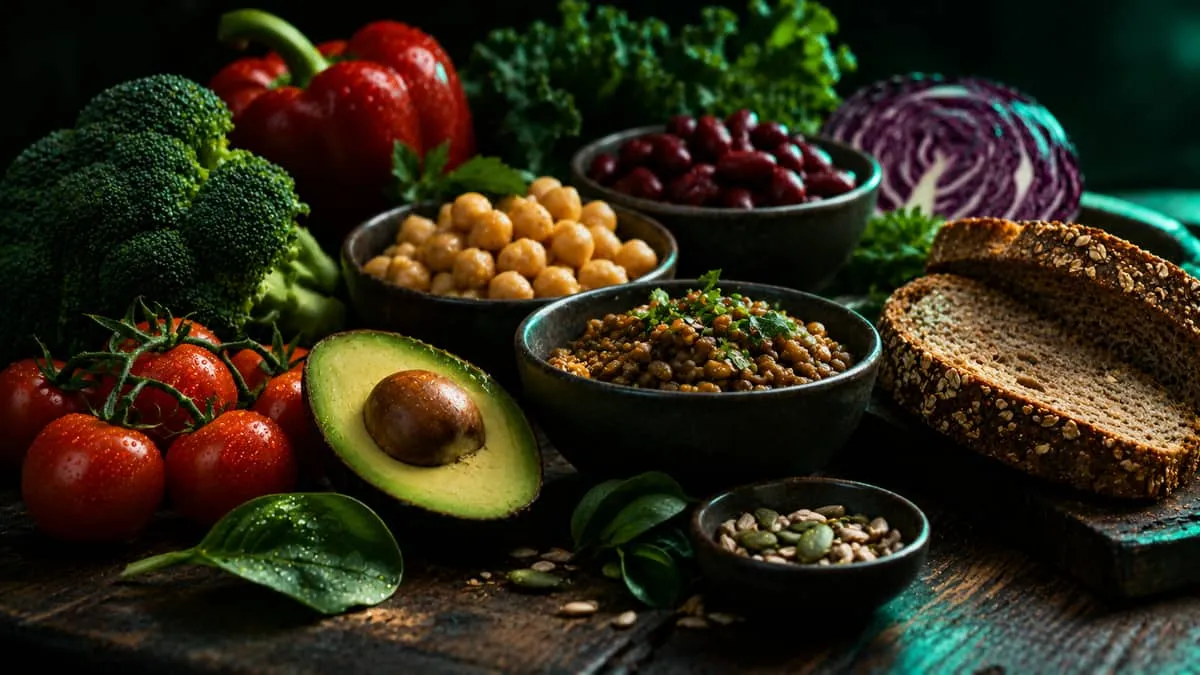
EFSA considers 25 grams of fibre a day adequate. Where it can come from, how to increase it without bloating, and how to fit it into your meals.
Nutrition
The Mediterranean diet: what it means in practice
Vegetables, legumes, fish, olive oil: the principles of the Mediterranean diet, a sample day, and how to bring it into everyday life simply.
Nutrition
Ultra-processed foods: are they really harmful, and what does it mean day to day?
Ultra-processed foods under the NOVA classification and health: what research shows, and how to sensibly cut down on them.
Napra: training, meals and weight in one place
Follow your goals with the Napra app: a training log that knows your machines and a meal log.