

Lose weight
Calorie deficit, meals, movement and habits: articles on weight loss that lasts.

Sleep and body weight: why too little sleep makes you gain
Short sleep increases appetite and calorie intake. What the studies show, and how sleep helps weight loss.
Lifestyle
BMI, waist size, body fat: which measure should you watch?
The limits of BMI, the waist-to-height ratio and ways to measure body fat: what they show, and how reliable they are.
Nutrition
Reading food labels: 6 things worth checking
Nutrition table, ingredient list, serving size and 'healthy' claims: how to read a package quickly, and what really matters.
Training
Running for beginners: a safe plan for the first 8 weeks
How to start running without injury? An 8-week plan built on walk–run intervals, choosing shoes and common mistakes.
Training
Ab training: 5 myths, and what actually works
Can you burn belly fat with ab exercises? How many ab exercises do you need? The most common myths and an evidence-based approach.
Lifestyle
150 minutes of activity a week: what the WHO recommendation means in practice
The WHO recommends 150–300 minutes of moderate activity and 2 strength sessions a week. How can that fit into a busy week?
Training
HIIT: interval training for beginners, effective and safe
High-intensity interval training (HIIT) builds fitness in a short time. How to start, and how much is enough?
Nutrition
Keto and low-carb diets: do they work, and who are they for?
The ketogenic diet for weight loss and blood sugar: what research shows, what the risks are, and why it is not better than other diets in the long run.
Nutrition
Five a day: what it means, and does it really matter?
The "five a day" recommendation is backed by large meta-analyses. How big is a portion, and what is a useful upper limit?
Lifestyle
Weight fluctuation: why the scale changes from day to day
Body weight can fluctuate by 1–2 kg within a day. What causes it (water, glycogen, salt, the menstrual cycle), and how to weigh yourself so the data make sense?
Nutrition
Ultra-processed foods: are they really harmful, and what does it mean day to day?
Ultra-processed foods under the NOVA classification and health: what research shows, and how to sensibly cut down on them.
Nutrition
Blood sugar swings: should you care if you do not have diabetes?
Blood sugar spikes and the "energy crash" are popular topics. What does research show, do you need a CGM, and how to eat for steadier energy?
Training
Zone 2 cardio: what it is, and do you need it?
Zone 2 is easy to moderate endurance training at a conversational pace. Why it is recommended, how to find your pace, and how much is enough.
Lifestyle
Alcohol and muscle building: how much does it hurt your training?
What does alcohol do to recovery, sleep and muscle protein synthesis? Realistic advice on drinking in moderation.
Lifestyle
Restaurants, parties, holidays: how to stay on track
How to enjoy food in restaurants, at family celebrations and on holiday without derailing your goals.
Training
Cardio and muscle building: do they get in each other's way?
Can you build muscle while running, cycling or walking? What research shows about the so-called interference effect.
Recipes
Cottage cheese protein pancakes: recipe
Simple, filling pancakes with oats, eggs and cottage cheese, for breakfast or after training.
Recipes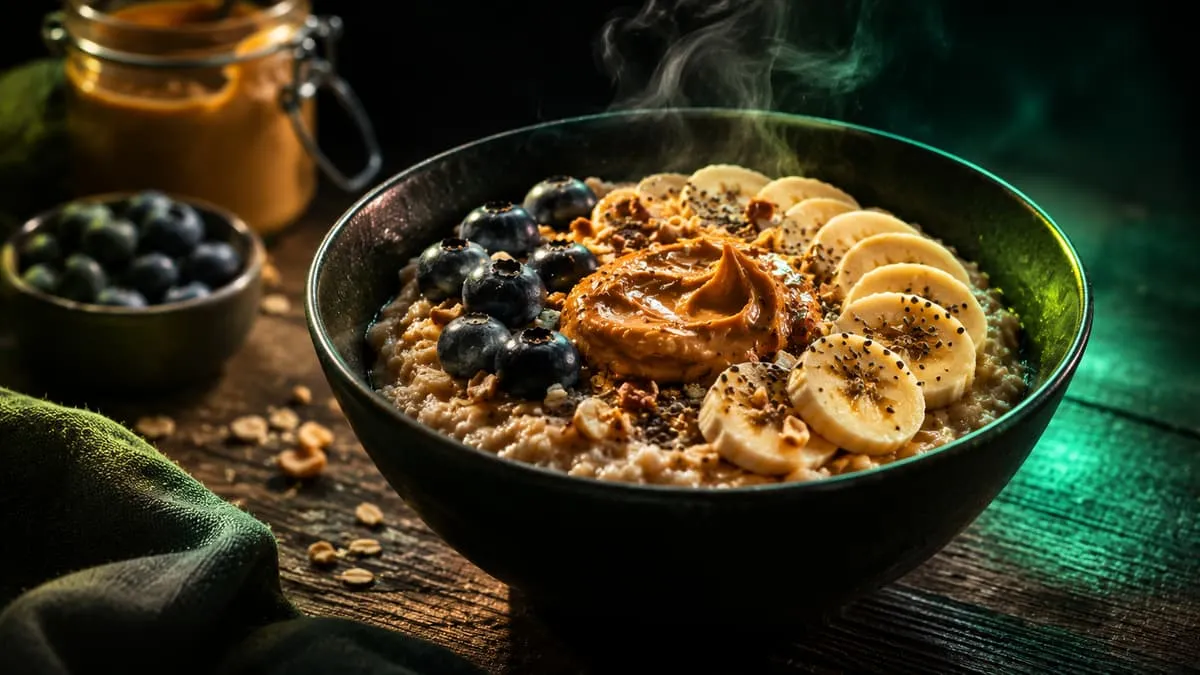
Quick protein porridge: recipe
A simple breakfast with about 30 g of protein: oats, milk, cottage cheese and berries.
Nutrition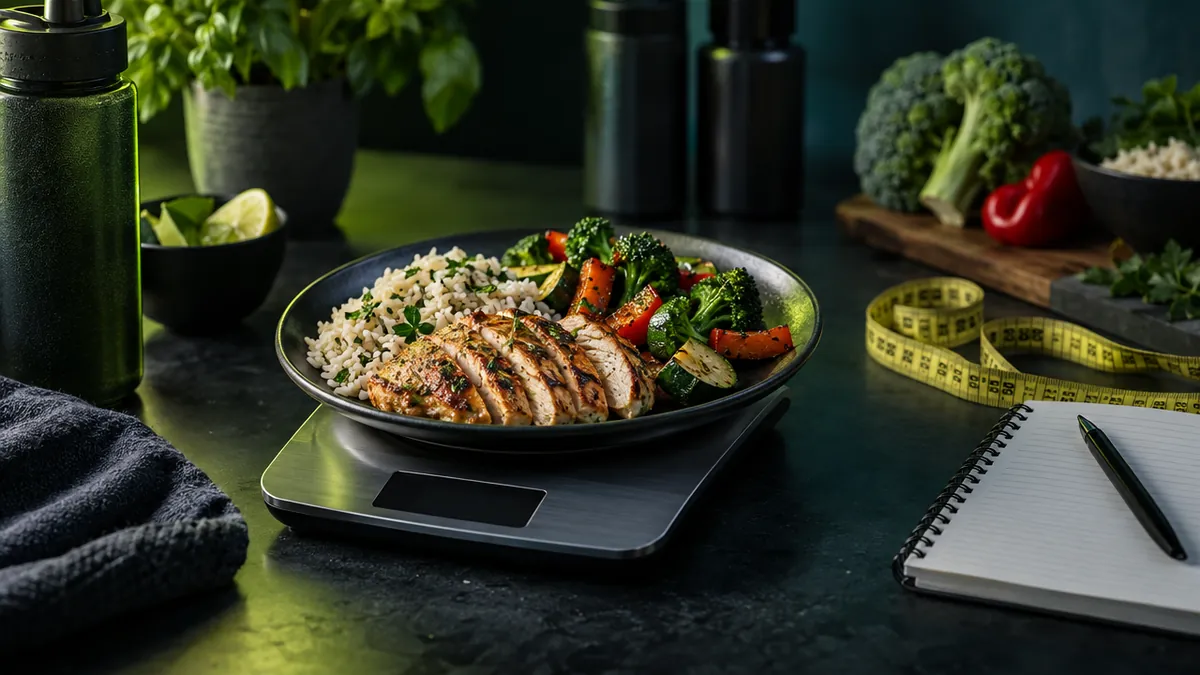
How to lose weight smartly: the basics of a calorie deficit
How big should your calorie deficit be, what pace is sustainable, and how do you keep your muscle along the way?
Biohacking
Intermittent fasting: does it work, and who is it for?
Intermittent fasting is a way of timing your meals. What research shows about weight loss and muscle, and who should avoid it.
Nutrition
How much sugar is too much? Added sugar and sweeteners
According to the WHO, added sugar should be at most 10% of your daily energy. What does that mean in grams, and what about sweeteners?
Recipes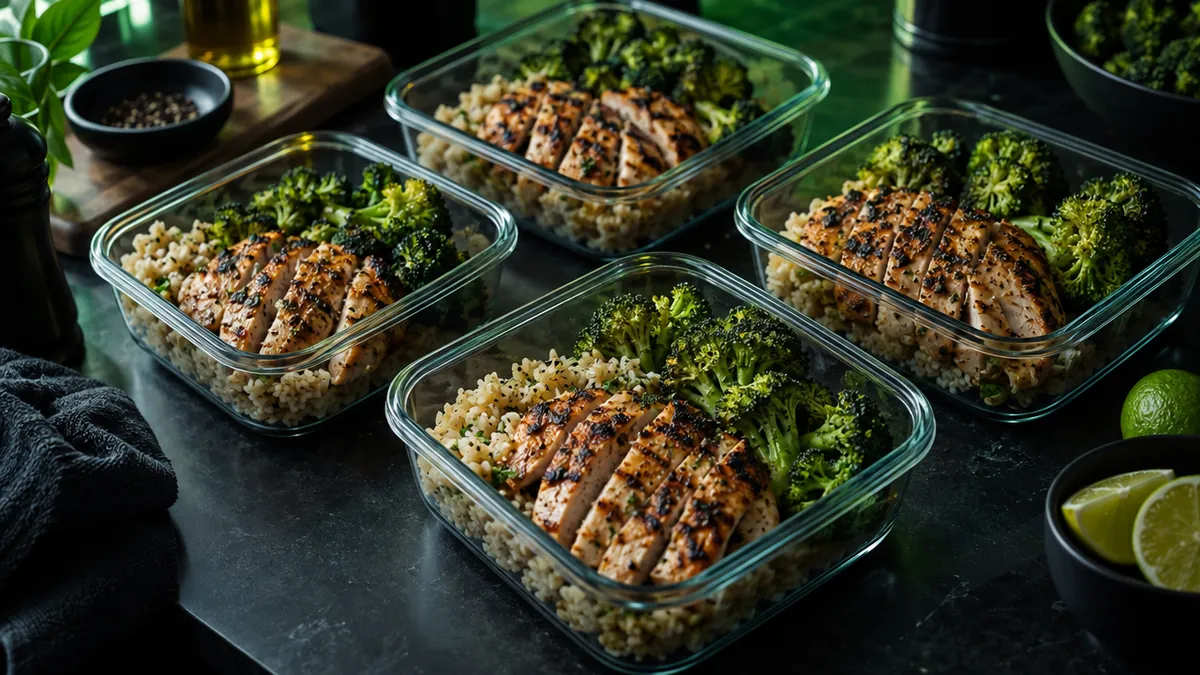
Meal prep: chicken, rice and broccoli on one tray (recipe)
A simple cook-ahead recipe: 4 servings of chicken, rice and broccoli, with about 40 g of protein each, plus the rules for keeping it in the fridge.
Nutrition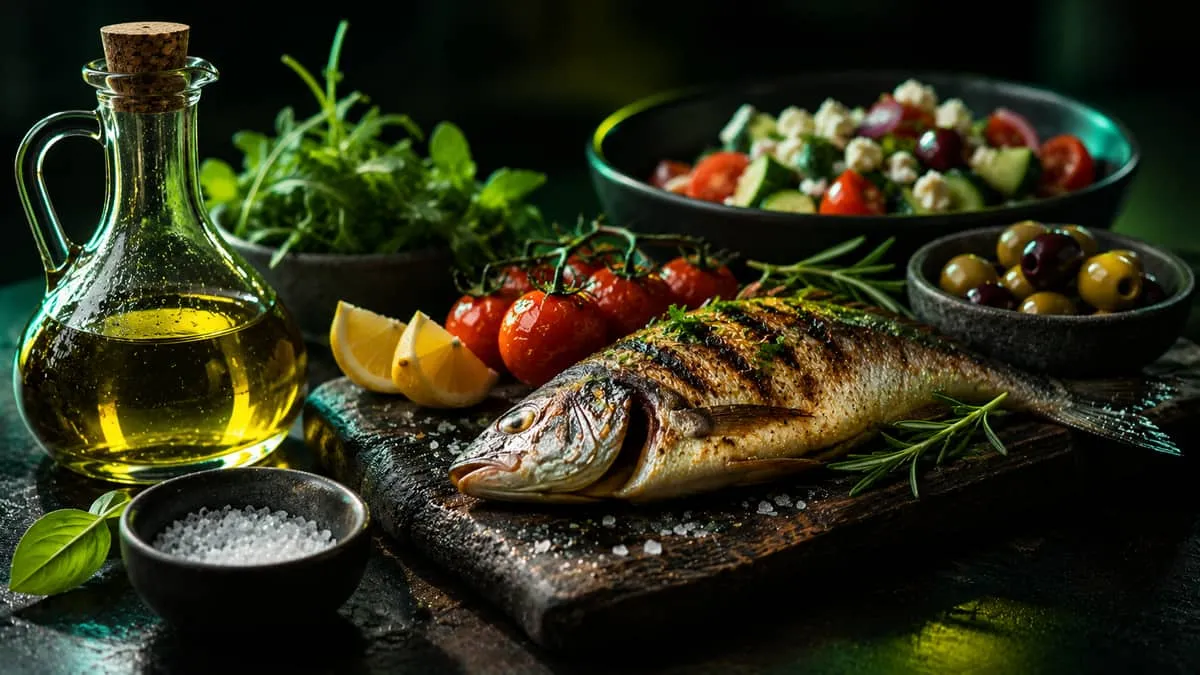
The Mediterranean diet: what it means in practice
Vegetables, legumes, fish, olive oil: the principles of the Mediterranean diet, a sample day, and how to bring it into everyday life simply.
Nutrition
How much protein do you need to build muscle?
What research says about daily protein intake alongside strength training, how to get it from everyday food, and when a supplement makes sense.
Nutrition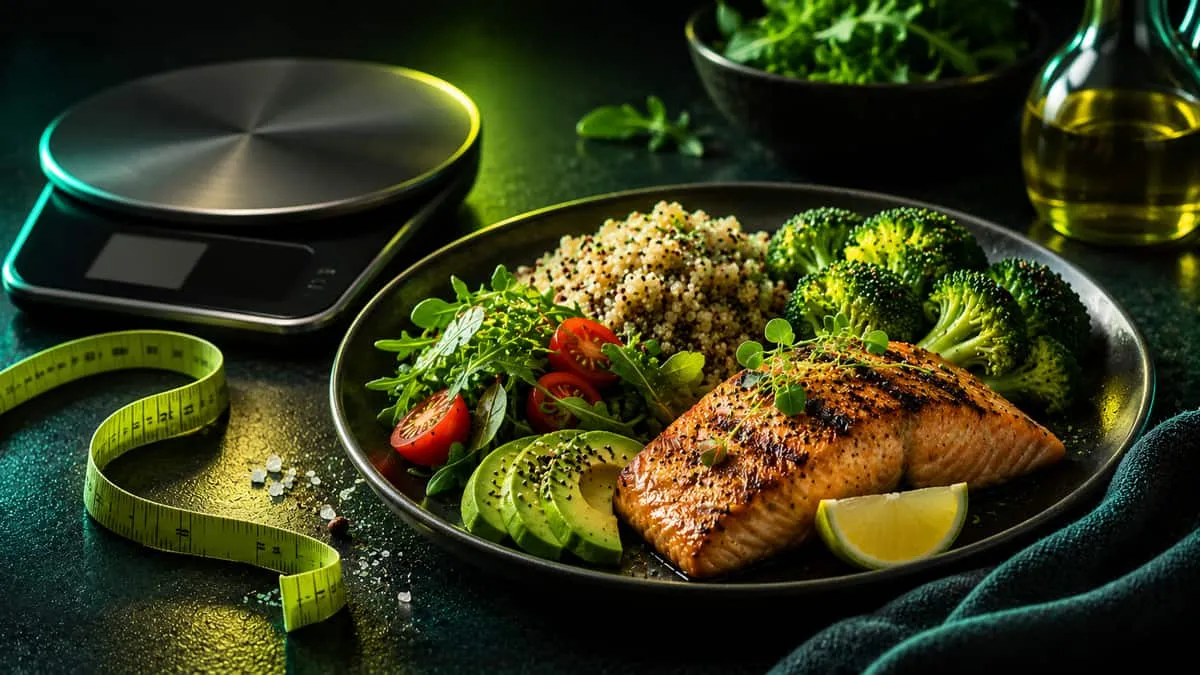
How many calories should I eat a day? Calculator and explanation
Work out your daily calorie needs and macro targets with the Mifflin–St Jeor equation, and understand what the result means.
Nutrition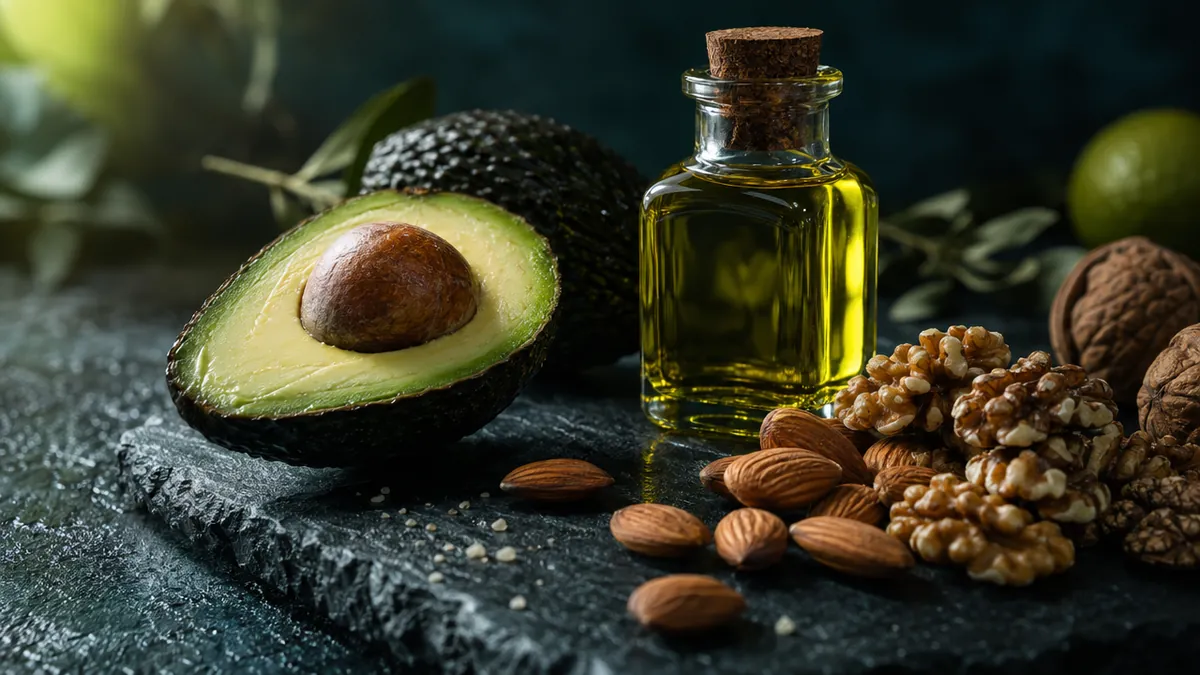
How much fat do you need a day? Healthy fat intake
According to EFSA, 20–35% of daily energy can come from fat. What are good sources of fat, and what does this mean in grams?
Lifestyle
10,000 steps a day: myth or useful goal?
10,000 steps is a number that came from marketing, but research shows that fewer steps already count for a lot. How many are useful?
Nutrition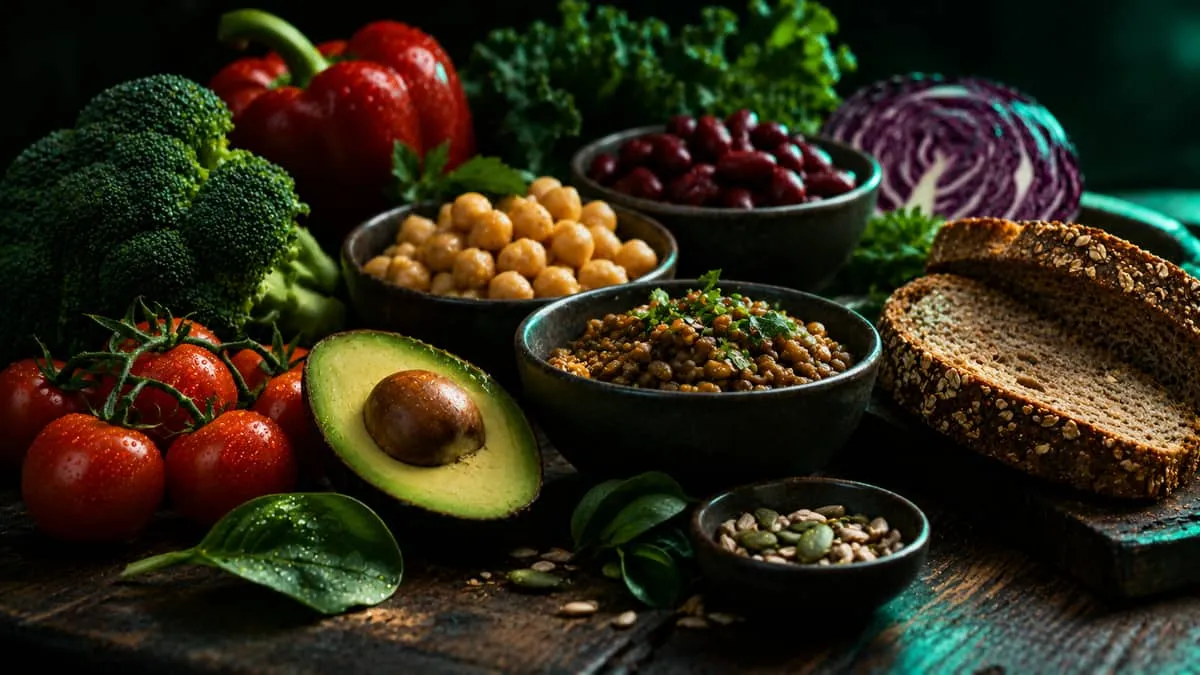
Fibre: why most diets fall short
EFSA considers 25 grams of fibre a day adequate. Where it can come from, how to increase it without bloating, and how to fit it into your meals.
Training
Home workouts without equipment: can you build muscle?
You can get stronger and build muscle with bodyweight training too. How to make it effective, and when is it worth buying equipment?