

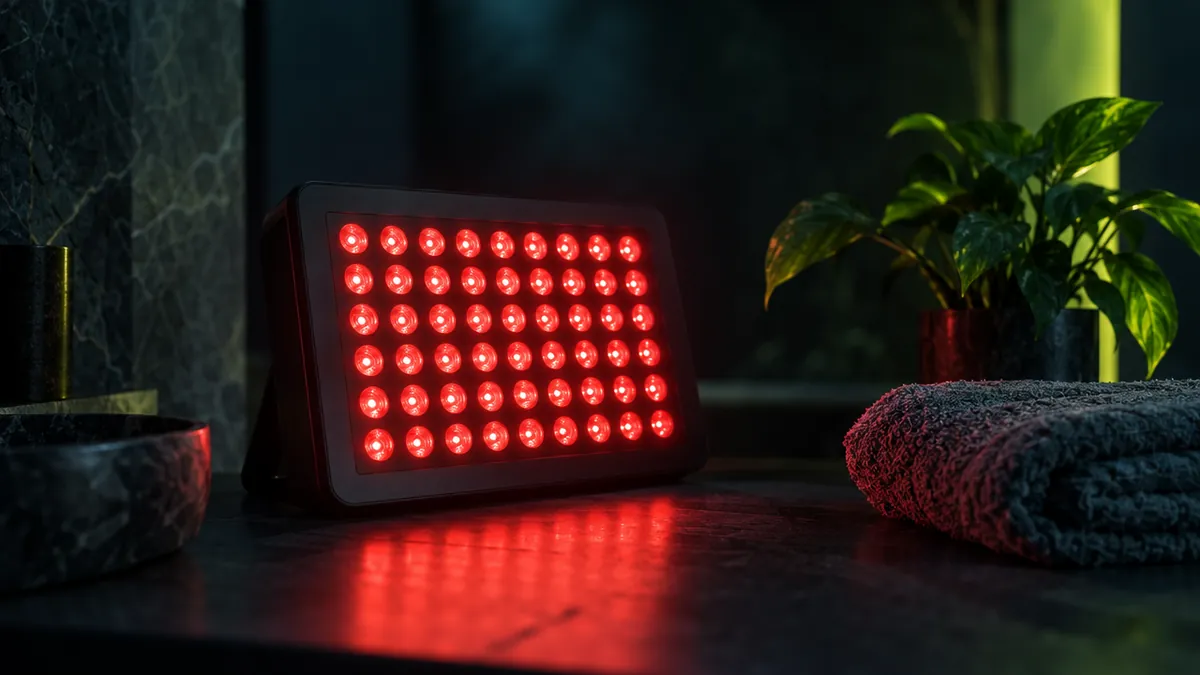
Red light therapy: what it can and cannot do
Red light therapy (technically photobiomodulation) uses light with wavelengths between 600 and 1,000 nm. The theory is that the mitochondria in cells absorb the light, which may trigger energy production and reduce inflammation.
What does research show?
- Muscle recovery: according to a meta-analysis, light treatment before or after exercise may slightly improve endurance performance and reduce signs of muscle damage. The studies used different devices and doses.
- Skin: in a controlled study, red light treatment may have improved skin texture and reduced wrinkles, but the samples were small.
- Other claims (fat loss, hormones, long life): the human evidence is weak or missing.
What to watch if you try it anyway
- Choose a device whose manufacturer states the wavelength and power.
- Follow the recommended distance and time: more is not better.
- Eye protection: do not look directly into the strong light source.
- With light sensitivity, a skin condition or medication, ask your doctor.
You can read about natural light here: morning light and your body clock. It is free, and it is proven to affect your daily rhythm.
This article is general information, not medical advice.
Sources
- Hamblin MR (2017): Mechanisms and applications of the anti-inflammatory effects of photobiomodulation. AIMS Biophys 4(3):337–361
- Leal-Junior ECP et al. (2015): Effect of phototherapy (low-level laser therapy and light-emitting diode therapy) on exercise performance and markers of exercise recovery: a systematic review with meta-analysis. Lasers Med Sci 30:925–939
- Wunsch A, Matuschka K (2014): A controlled trial to determine the efficacy of red and near-infrared light treatment in patient satisfaction, reduction of fine lines, wrinkles, skin roughness, and intradermal collagen density increase. Photomed Laser Surg 32(2):93–100
Updated: November 2026
Read on
Muscle soreness: what causes it, and what really helps?
Muscle soreness is normal, and it is not a measure of how effective your training was. What research shows about recovery methods.
Biohacking
Morning light and your body clock: the cheapest biohack
Light is the strongest signal for your circadian rhythm. What we know about morning sunlight, and how to fit it into your day.
Biohacking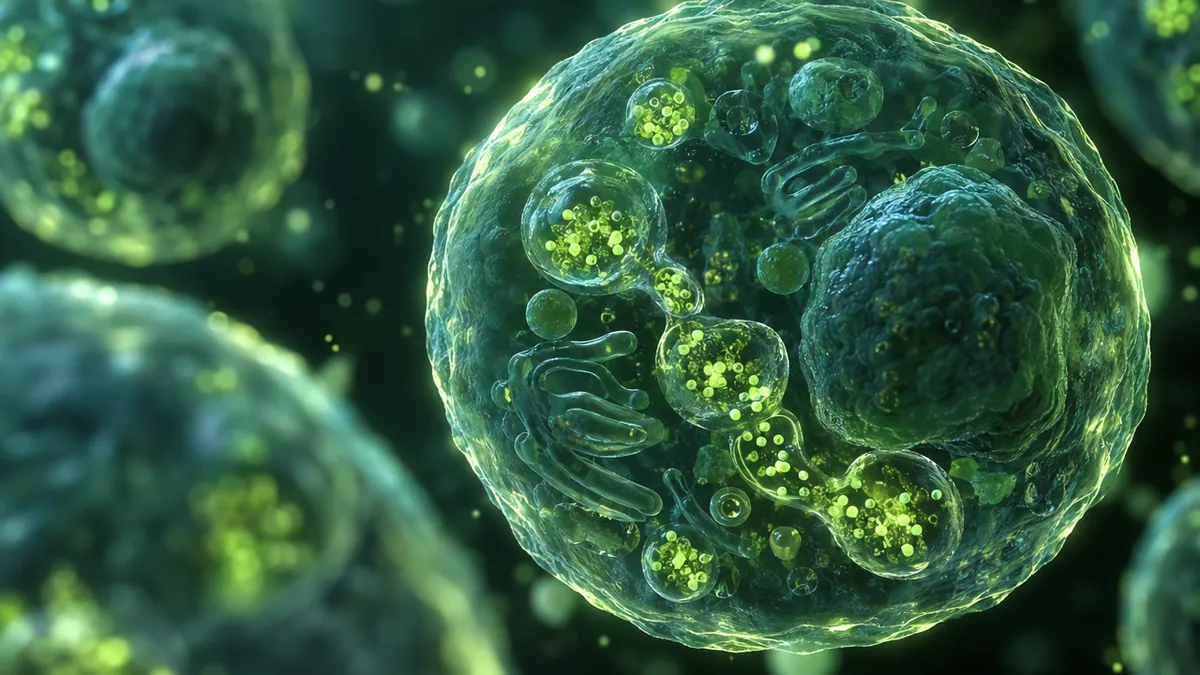
Autophagy: cellular 'self-renewal', and what we know about it in humans
What is autophagy, how is it linked to fasting and exercise, and how believable are the promises of 'autophagy hacks'?
Napra: training, meals and weight in one place
Follow your goals with the Napra app: a training log that knows your machines and a meal log.